

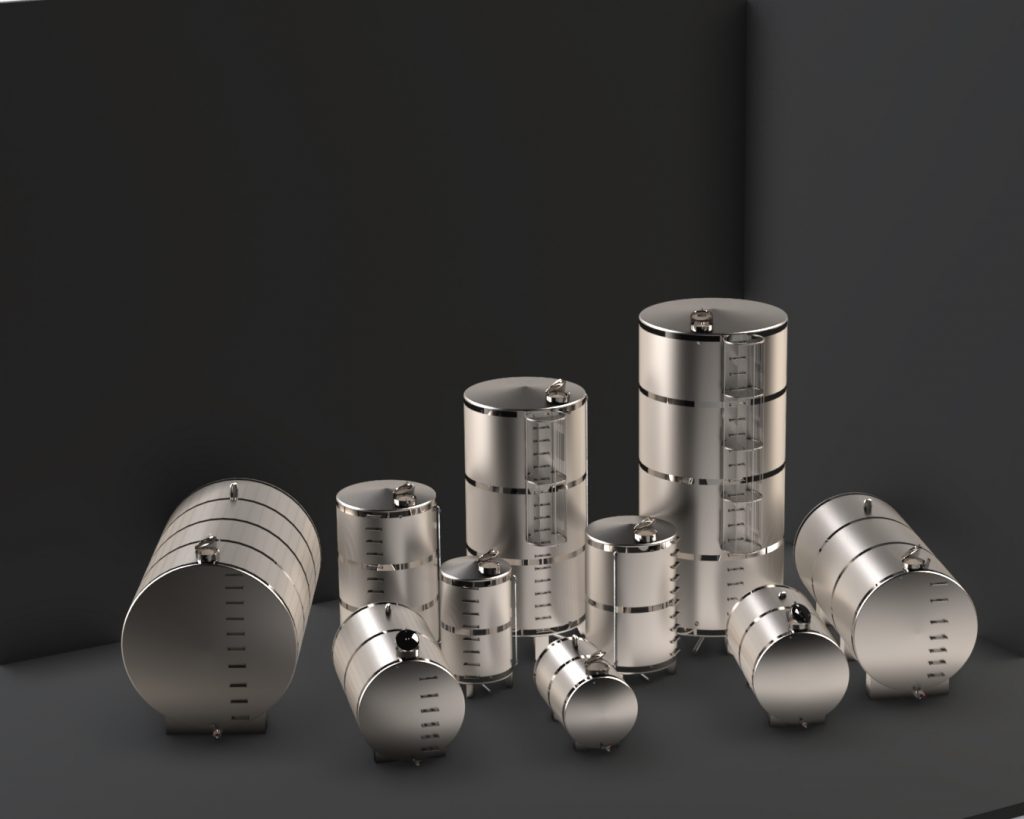
Stainless Steel Tank Prices: What Factors Determine the Price?
Stainless steel tanks are important equipment used in many areas, from industry to the food sector. The prices of these tanks vary depending on a number of factors. When purchasing stainless steel tanks, it is crucial to know how the prices are determined in order to make the right investment. In this article, we will examine in detail the factors that influence the prices of stainless steel tanks.
What is a Stainless Steel Tank?
Stainless steel tanks are storage systems that are particularly characterized by their high durability, hygienic construction and corrosion resistance. These tanks can be adapted to different industrial requirements. These tanks are used in sensitive processes such as the food and chemical industries and ensure the purity of the products they contain.
Areas of Application of Stainless Steel Tanks
Stainless steel tanks have a wide range of applications. These tanks are used in various industries for different purposes:
Industrial sector: Storage of chemicals, storage of liquids in processes.
Food industry: Safe storage and transport of food such as milk and fruit juices.
Chemical industry: Safe storage of hazardous substances.
Water storage: Processes such as drinking water or waste water storage.
The different requirements in these areas have a direct impact on the size and properties of the tanks, which is also reflected in the prices.
Advantages of Stainless Steel Tanks
The advantages of stainless steel tanks are:
Corrosion resistance: Stainless steel is particularly resistant to chemical substances and ensures a long service life of the tanks.
Hygiene: Provides a sterile environment in the food industry and therefore complies with health standards.
Durability: Thanks to their high strength, the tanks are resistant to harsh external conditions.
These advantages ensure a long service life of the tanks, but the quality of the material used has a significant impact on prices.
Stainless Steel Tank Types
Stainless steel tanks are divided into different categories depending on the area of application and purpose. Each tank type may differ in price:
Vertical tanks: Are usually preferred to save space.
Horizontal tanks: Are used for large storage volumes.
Modular tanks: Are tanks that can be assembled and transported.
Double-walled tanks: Are used in processes that require insulation and safety.
The materials and production processes used for each tank type are important factors that influence prices.
Materials Used in Stainless Steel Tanks
The quality of the materials used in stainless steel tanks is one of the factors that directly influences the price. In particular:
Steel grade 304: Is often used in the food industry and is relatively inexpensive.
Steel grade 316: Is more resistant to chemical substances and is therefore more expensive.
Depending on the steel grade used, the durability, hygienic properties and prices of the tanks vary.
Tank Size and Capacity
The size and capacity of stainless steel tanks are fundamental factors that determine the price. The larger the capacity of the tank in liters, the larger the amount of material used. For example, there are significant price differences between a 500-liter tank and a 5000-liter tank. Large tanks usually require more labor and material, which has a direct impact on the price.
Production Process and Techniques
The production process of stainless steel tanks is quite complex. The welding techniques, surface treatments and the quality of workmanship used in this process are factors that influence prices. In particular, handmade or specially designed tanks can be more expensive than mass-produced tanks. At the same time, the leak tests and quality control processes of the tank increase the production costs.
Customization Options
In addition to standard dimensions, stainless steel tanks can also be manufactured according to the specific wishes of the customers. The customization options include:
Mixing systems
Temperature sensors
Additional insulation layers
Special coating or painting applications
Each additional function can increase the cost, but these additions, which are made according to the intended use, can be beneficial in the long term.
Quality Certifications and Standards
Stainless steel tanks must meet certain quality standards depending on the industry in which they are manufactured. These standards include quality certifications such as ISO 9001. In addition, HACCP compliance is required for tanks used in the food industry. Products with such certifications are usually more expensive.
Logistics and Transport Costs
Another factor that influences the price of stainless steel tanks is the logistics and transport costs. The transport of the tanks from the production site to the user’s site can be very expensive, especially for large-volume tanks. The costs for the special equipment and insurance required for transport are also included in this price.
Maintenance and Repair Costs of Tanks
Although stainless steel tanks have a long service life, they must be maintained at regular intervals. The coatings, seals or sealing elements on the inner surface of the tank can wear out over time and must be replaced. These maintenance costs can have a long-term impact on the total operating costs.
Price Factors: Market Situation
The prices of stainless steel tanks can change depending on the fluctuations in raw material prices, the ratio of supply and demand and the market conditions. Rising steel prices or growth in the industrial sector can drive up tank prices. At the same time, the competitive environment also plays an important role in pricing.
Used Stainless Steel Tanks
Used stainless steel tanks can also be considered as a cheaper option. However, the service life, the quality of the substances previously stored in them and the general condition of these tanks should be well assessed. Although used tanks are initially cheaper, they can cause higher repair and maintenance costs in the long term.
Stainless Steel Tanks as a Long-Term Investment
Stainless steel tanks are considered a good long-term investment due to their durability and low maintenance costs. Although the initial acquisition costs are high, the long-term durability and low operating costs can reduce the total operating costs.
Conclusion and General Recommendations
When purchasing stainless steel tanks, there are many factors that influence the prices. The intended use of the tank, the material quality, the capacity and the production processes are the most important of these factors. In order to make a good investment, it is important that you correctly assess your needs and opt for a quality product.