

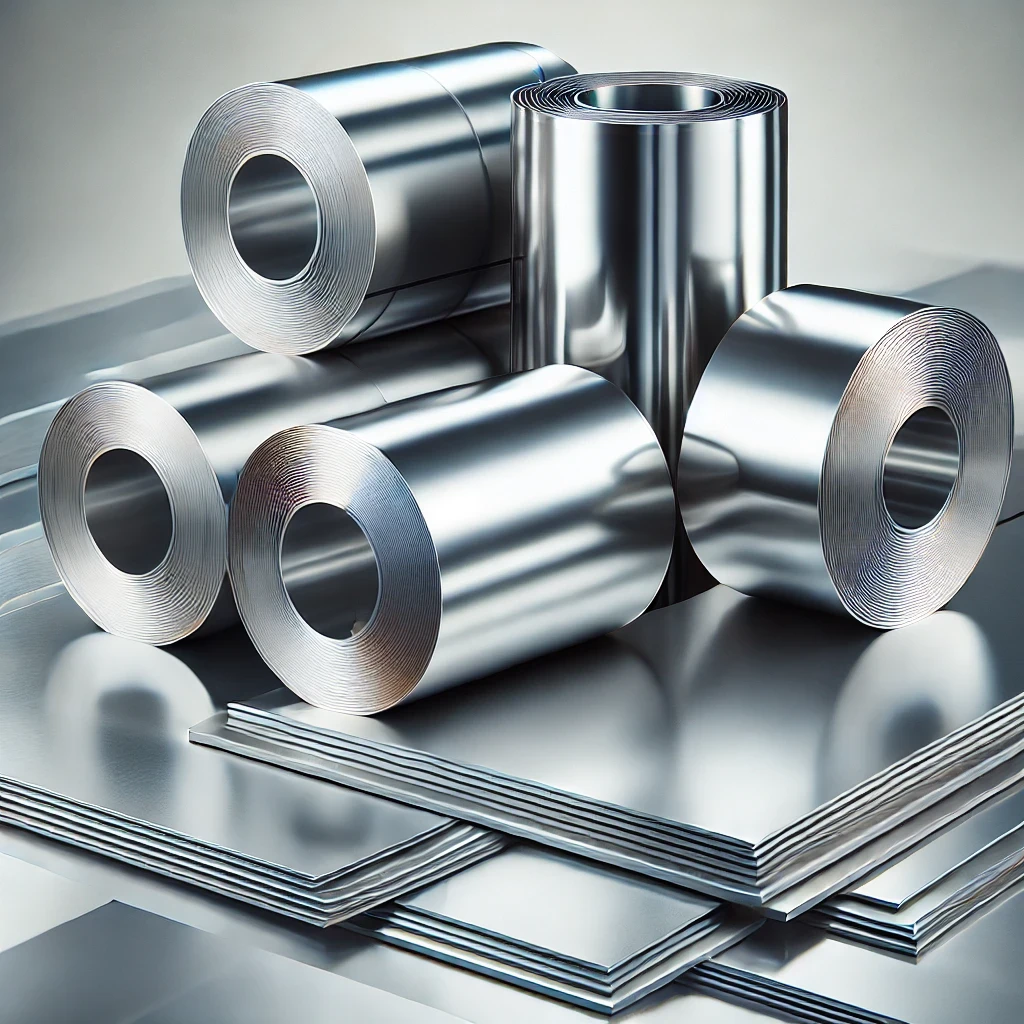
What is Stainless Steel Sheet?
Stainless steel sheet is a material that stands out with its high corrosion resistance and aesthetic appearance. It is basically composed of alloy elements such as iron, chromium, nickel and sometimes molybdenum. Stainless steel sheet is preferred especially for its long life in humid and corrosive environments.
Stainless steel was discovered in the early 20th century and offered for industrial use. Over time, it has become an indispensable material in many different sectors thanks to its durability and easy maintenance properties.
The most important feature of stainless steel sheet is the formation of a chromium oxide layer on its surface. This layer protects the steel against oxidation and thus prevents it from rusting. This feature distinguishes stainless steel from other metals and provides a great advantage, especially in long-term use.
Stainless Steel Sheet Types
Stainless steel sheets are divided into different classes according to their chemical composition and microstructures. Each type has its own unique properties, and these properties determine which applications the sheet will be used in:
1. Austenitic Stainless Steel: This group is known for its high corrosion resistance and strength. It contains a high proportion of chromium and nickel. 304 and 316 stainless steels fall into this group.
2. Ferritic Stainless Steel: It is known for its lower chromium content and magnetic properties. It is widely used especially in the automotive industry.
3. Martensitic Stainless Steel: It has a structure with increased hardness and strength with its high carbon content. These types of stainless steel sheets are used in the manufacture of cutting tools and knives.
4. Duplex Stainless Steel: This group, which contains a combination of austenitic and ferritic structures, is known for its high strength and good corrosion resistance. It is widely used in the marine and chemical industries.
Stainless Steel Sheet Grades
Stainless steel sheet is produced in different grades and alloys. The most well-known stainless steel grades are:
1. 304 Stainless Steel: It is the most common type of stainless steel, widely used, with high corrosion resistance.
2. 316 Stainless Steel: It has higher corrosion resistance than 304 and is used in marine and chemical processes. Contains molybdenum.
3. 430 Stainless Steel: It is a ferritic grade and has low corrosion resistance. It is used in less critical applications.
Usage Areas of Stainless Steel Sheet
Stainless steel sheet has a wide range of uses thanks to its different properties. Some of the main usage areas are:
· Construction and Architectural Applications: It is frequently used in facade cladding and interior designs of modern buildings. It is preferred for its aesthetic appearance and durability.
· Automotive Industry: Stainless steel sheet is used in the exhaust systems and some structural parts of automobiles.
· Food and Health Sector: The use of stainless steel sheet is common in food processing equipment and medical devices due to its hygienic properties and resistance to chemicals.
· Maritime and Chemical Industry: Stainless steel sheet is indispensable for marine applications exposed to high salt water and chemicals, with its corrosion resistance.
Stainless Steel Sheet Production Process
The production of stainless steel sheet requires a very meticulous and technical process. The main stages are as follows:
1. Transformation from raw material to final product: First, the raw materials of stainless steel (iron, chromium, nickel, etc.) are mixed in certain proportions and melted.
2. Cold and Hot Rolling: After the steel changes from liquid to solid, it is converted into thin sheet forms by being subjected to various processes.
3. Surface Treatments: Surface treatments are applied in the final stage of stainless steel sheet. Matte, glossy or brushed surface coatings are applied at this stage.
Stainless Steel Sheet Prices and Factors
Stainless steel sheet prices may vary depending on various factors. These include quality, production process, alloy elements used and the state of the global steel market.
· Price Changes by Quality: The quality of stainless steel sheet is determined by the alloy elements it contains. For example, 304 quality stainless steel sheet is more common and affordable, while 316 quality stainless steel sheet is more expensive because it contains more molybdenum and has higher corrosion resistance.
· Surface Treatment Types: Different surface treatments such as matte, glossy or brushed affect the price of stainless steel sheet. Glossy surfaces are generally more expensive because the production process is more complex.
· Global Steel Market: Stainless steel sheet prices fluctuate according to steel supply and demand worldwide. Global economic conditions, trade agreements and raw material prices play a major role in this regard.
Stainless steel sheet prices in Turkey and in the world are determined by the combination of these factors and are generally priced per ton.
Production and Trade of Stainless Steel Sheet in Turkey
Turkey has become an important player in the production and trade of stainless steel sheet. Thanks to the developing industrial sector and construction projects, the demand for stainless steel sheet has also increased.
· Major Manufacturers: Local manufacturers in Turkey are gradually investing more in stainless steel sheet production. These domestic manufacturers produce products for both the domestic market and export. Especially the Marmara Region is a region where steel production facilities are concentrated.
· Import and Export Data: Turkey is a country that both imports and exports stainless steel sheet. While imports are made from countries such as China, Germany and Italy, Turkey’s export countries include neighboring countries and European countries.
· Contribution of Domestic Production to the Economy: Domestic stainless steel sheet production contributes to the economy by reducing Turkey’s foreign dependency. In addition, the development of local producers creates new job opportunities and increases the accumulation of knowledge in the sector.
Care and Cleaning of Stainless Steel Sheet
Proper care and cleaning are of great importance in order to maintain the durability and aesthetic appearance of stainless steel sheet. Although stainless steel sheet has high corrosion resistance, the dirt accumulated on the surface and substances that pose a risk of rusting can damage its structure over time. Here are some suggestions for cleaning and care of stainless steel sheet:
· Chemical Cleaning Methods: Stains that occur on the surface of stainless steel sheet can be cleaned with special stainless steel cleaners or mild detergents. Cleaning products containing acid should be avoided, as these products can damage the surface.
· Mechanical Cleaning Methods: A soft brush or sponge can be used for more stubborn stains. Sharp and hard tools should be avoided, as such tools can cause scratches on the surface of the sheet.
· Ways to Increase Longevity: Regular cleaning and maintenance should be done to maintain the brightness and durability of stainless steel sheet. In addition, not leaving water on the surface for a long time will extend the life of stainless steel sheet.
Various Surface Coating Options for Stainless Steel Sheet
The aesthetic appearance and durability of stainless steel sheet may vary depending on the surface coating methods used. Different coating types offer solutions suitable for different needs:
· Matte Surface Coating: Matte surfaces offer a simple and modern look by reducing reflections. It is generally preferred in architectural applications.
· Glossy Surface Coating: Glossy surfaces create a luxurious look by creating a mirror-like effect. These types of surfaces are especially popular in decorative applications.
· Brushed Surfaces: Brushed surfaces have a fine striped texture, which makes them less likely to show dirt and fingerprints. It is generally preferred in kitchen appliances.
These coating types can be selected according to the usage area of stainless steel sheet and increase the aesthetic appearance and functionality of the sheet.
Environmental Effects of Stainless Steel Sheet
The production and use of stainless steel sheet has positive properties from an environmental point of view. This material offers an environmentally friendly option with its recyclability and long life.
· Recycling Rate: Stainless steel sheet is a 100% recyclable material. Stainless steel sheets that have reached the end of their service life can be re-melted and used to produce new products. This contributes to the protection of natural resources.
· Energy Efficiency and Sustainability: The production processes of stainless steel have become more energy efficient with developing technology. Reducing the amount of energy used during production reduces the carbon footprint.
· Waste Management and Impact on Nature: The recyclability of stainless steel sheet facilitates waste management. In this way, the negative impact of materials that have completed their service life on nature is minimized.
Comparison of Stainless Steel Sheet with Other Metals
When compared to different metals, stainless steel sheet offers unique advantages and disadvantages. Here is a comparison of stainless steel sheet with some common metals:
· Comparison with Aluminum: Aluminum is lighter than stainless steel sheet, but its corrosion resistance is not as high as stainless steel sheet. In addition, stainless steel sheet offers higher strength.
· Comparison with Carbon Steel: Carbon steel is cheaper than stainless steel sheet, but it is much more sensitive to corrosion. Stainless steel sheet is more durable and longer lasting than carbon steel.
· Comparison with Titanium and Copper: Titanium is lighter and offers higher strength than stainless steel sheet, but its cost is much higher. Copper, on the other hand, offers high electrical conductivity and aesthetic properties, but is not as durable as stainless steel sheet.
What Should Be Considered When Choosing Stainless Steel Sheet?
When choosing stainless steel sheet, the requirements of the area to be used should be taken into consideration. Here are some factors to consider:
· Quality and Durability: The quality level of stainless steel sheet is important according to the usage area. 316 quality with higher corrosion resistance can be preferred for outdoor use.
· Choosing the Appropriate Sheet Type for the Usage Area: Each stainless steel sheet type offers different properties. For example, austenitic stainless steel is preferred in the food industry due to its hygienic properties, while glossy surface coatings can be chosen in decorative applications.
· Cost and Supply Process Evaluation: The price of stainless steel sheet varies according to its quality and coating type. It is important to consider these factors when making budget planning.
Stainless steel sheet is an indispensable material in many sectors thanks to its corrosion resistance, durability and aesthetic appearance. Choosing the right type and quality of stainless steel sheet ensures that the material is long-lasting and provides maximum efficiency in the area of use.