

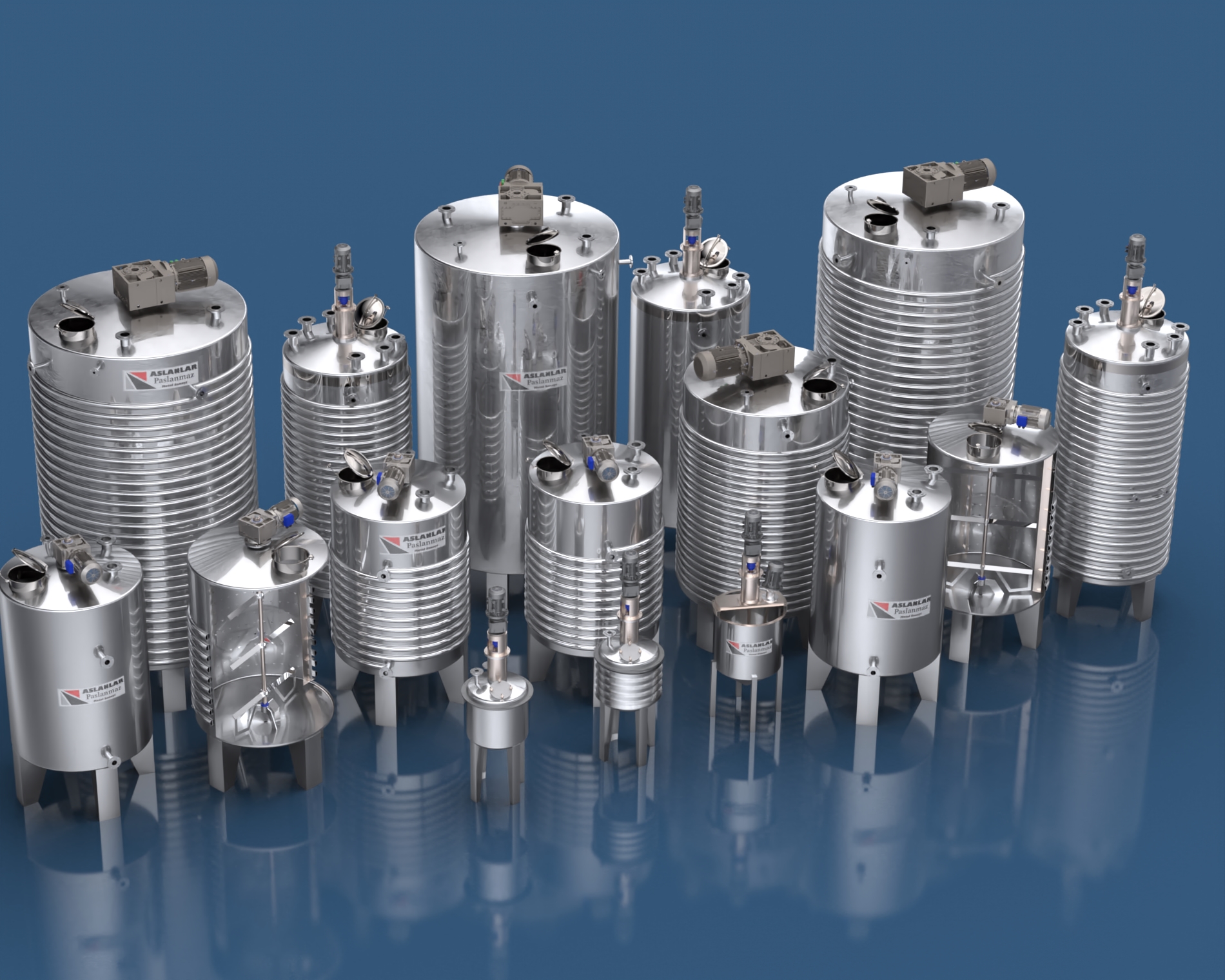
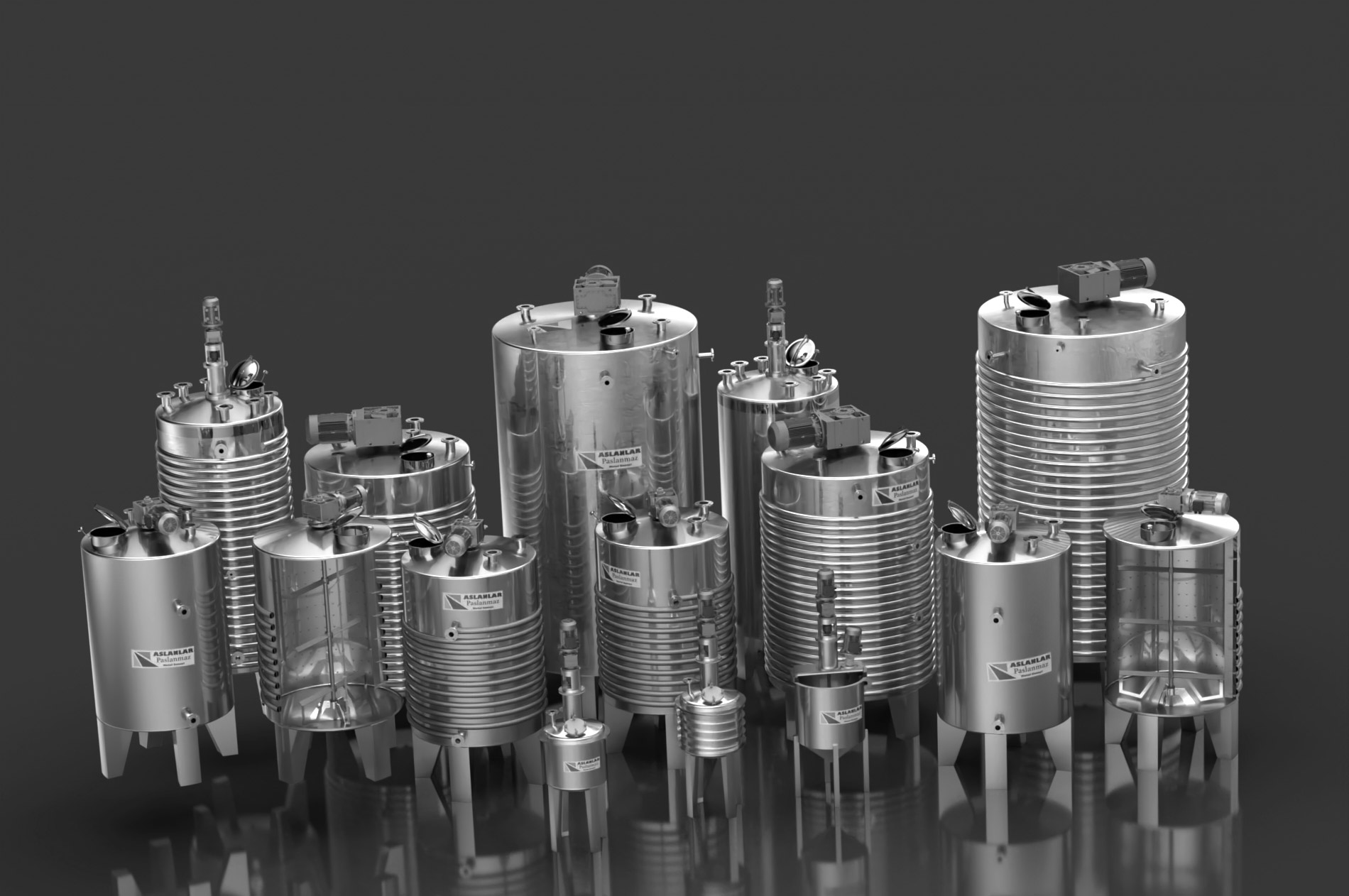


In industrial production processes, efficiency is directly proportional to the quality of the equipment used. If you operate in the food, chemical, or pharmaceutical industry, the choice of stainless steel mixer, which is the heart of your production line, directly affects both product quality and operating costs.
So, how do you choose the right industrial mixer systems from hundreds of options?
Here are 5 critical criteria to help you make the right decision for your project:
1. Material Quality: AISI 304 or AISI 316?
The first question that comes to mind when stainless steel is mentioned is the sheet metal quality. The chemical structure of the substance you will be mixing determines this choice.
AISI 304 Stainless Steel Mixer: Generally ideal for standard food production and liquids with low corrosion risk.
AISI 316 Stainless Steel Mixer: Should be preferred in projects where corrosion resistance needs to be at the highest level, such as chemicals with high acidity, salt water, or the pharmaceutical industry. As Asinoks, we guide you in choosing the most durable material according to the content of your project.
2. Viscosity and Density of the Substance to be Mixed
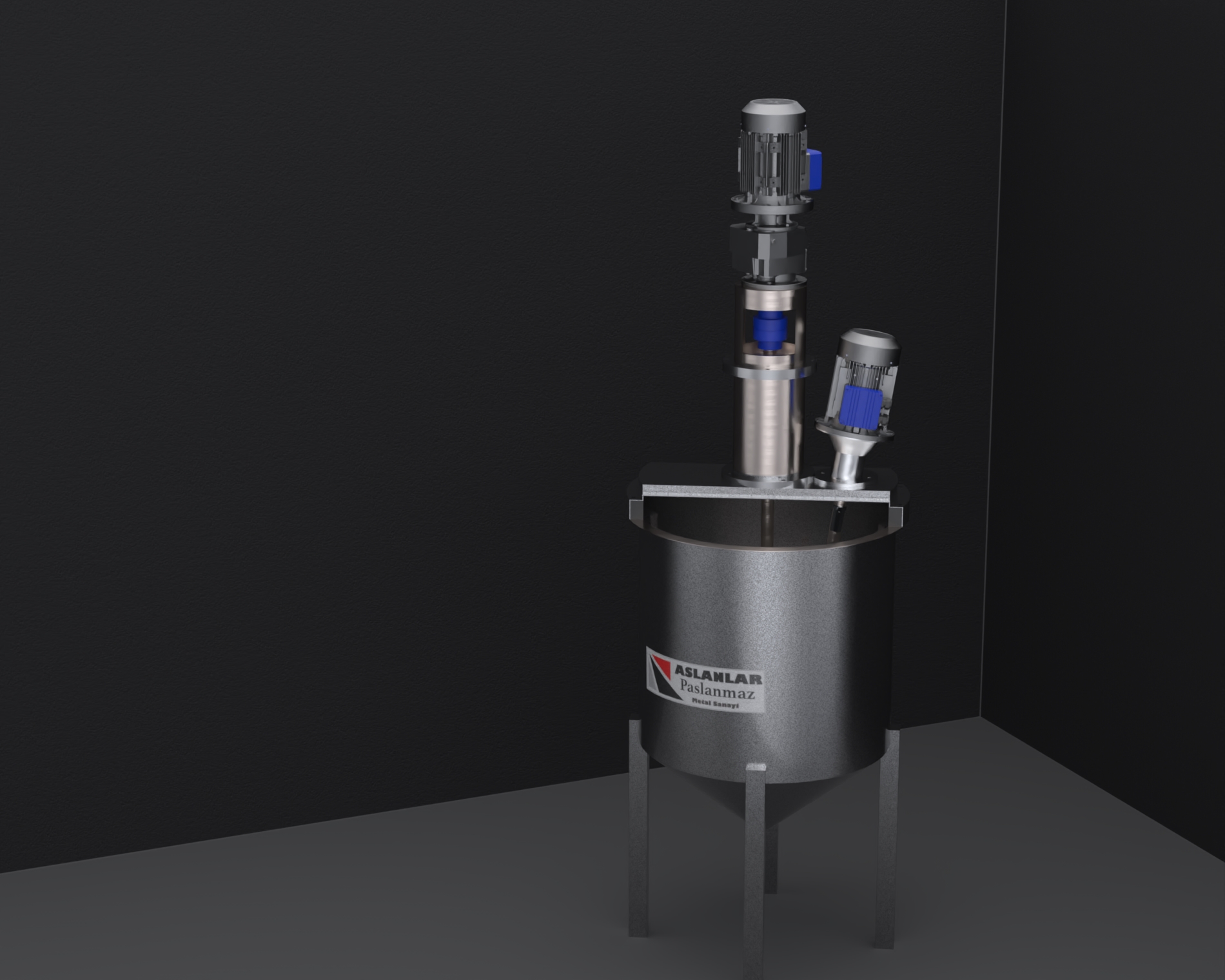
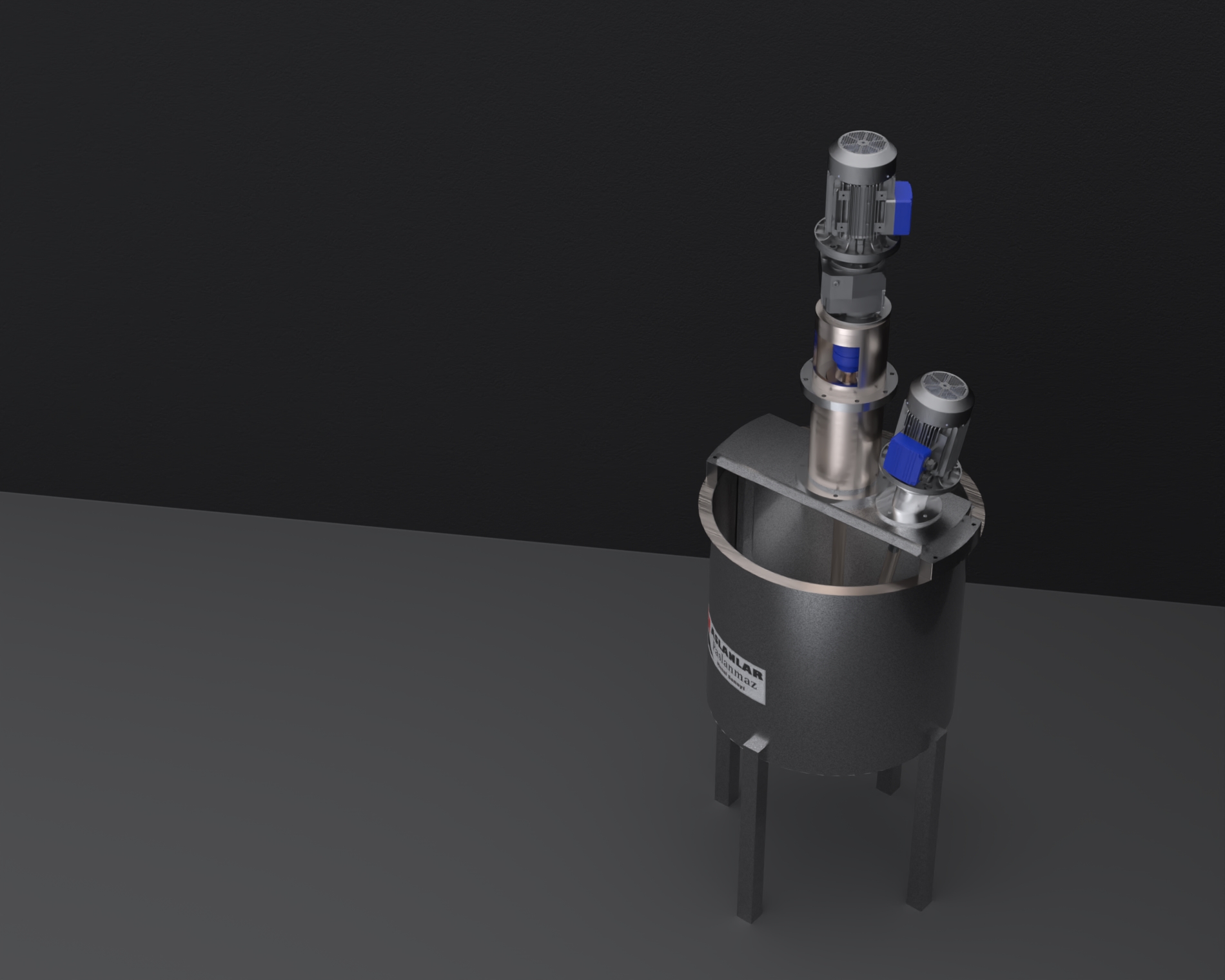
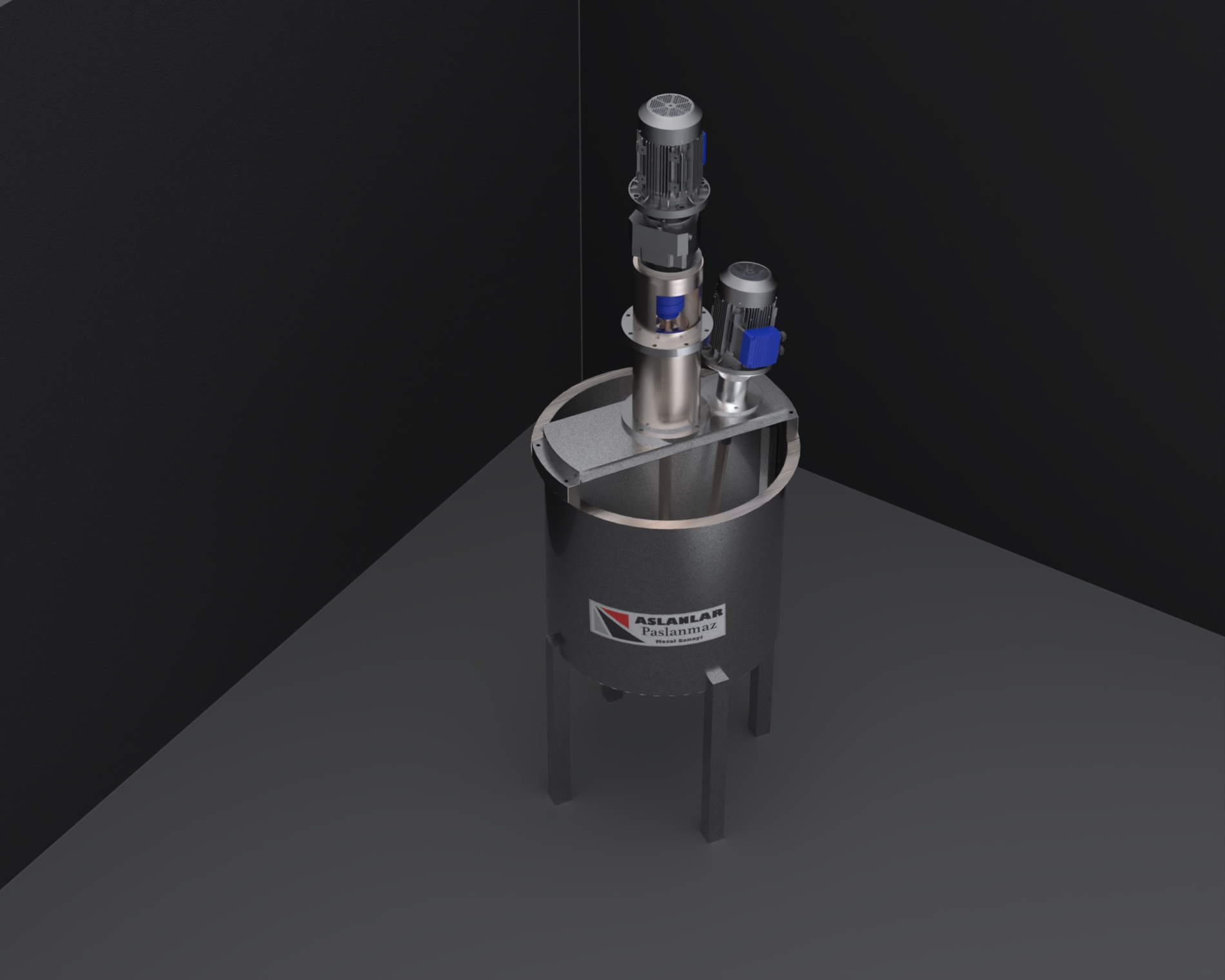
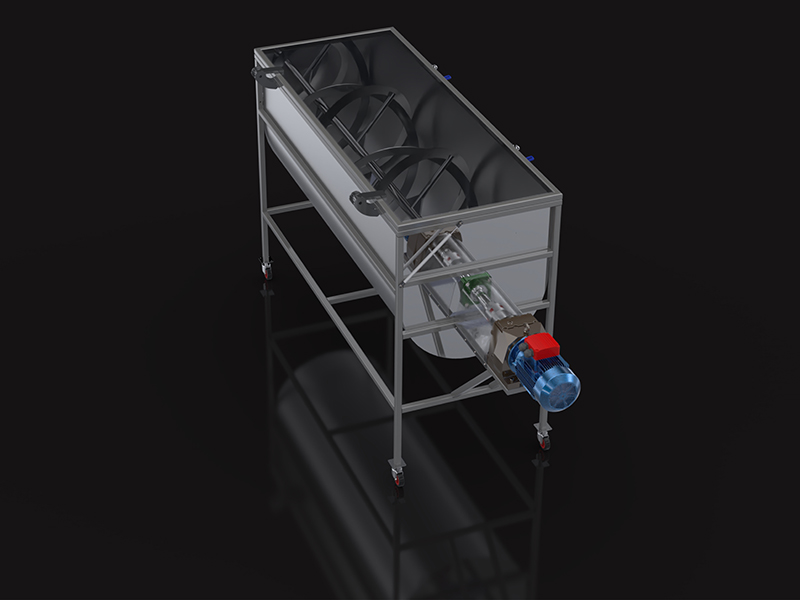
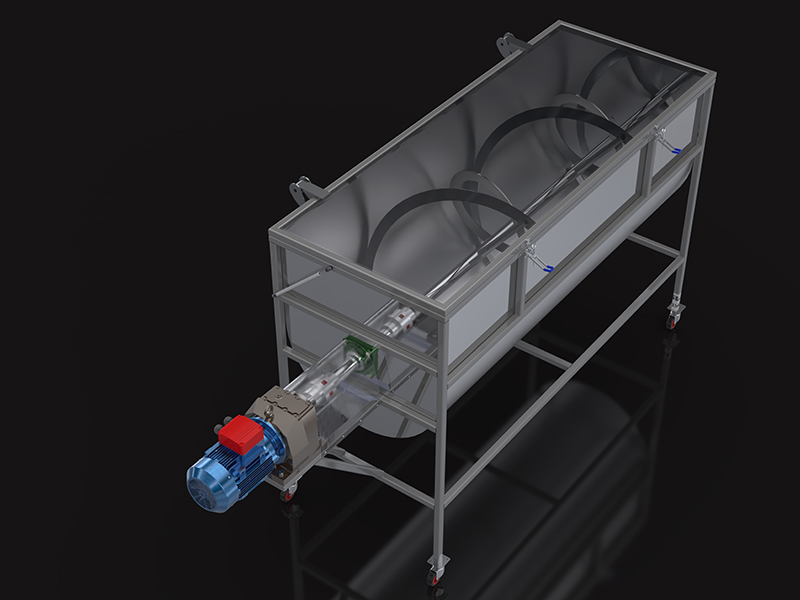
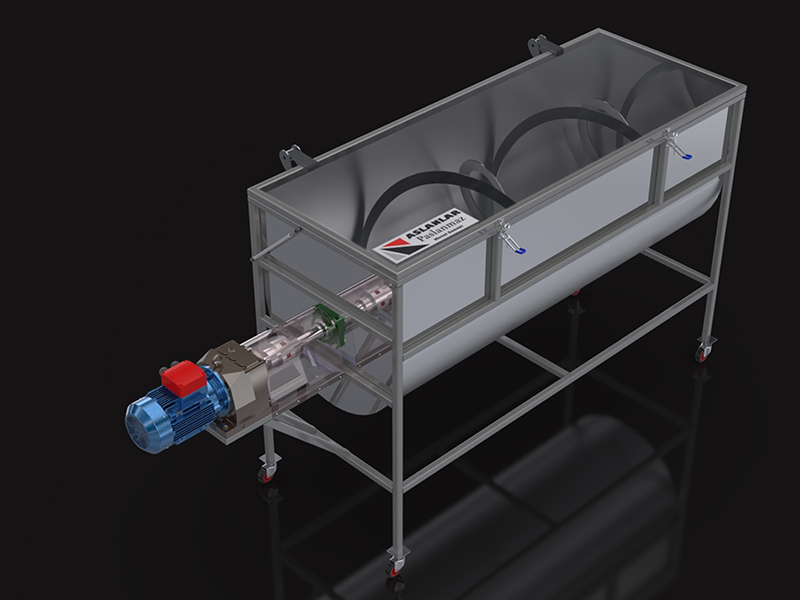
Not every liquid or powder mixes at the same speed. Liquid mixer tanks and stainless steel powder mixer (Ribbon Mixer) designs are completely different.
High-speed stainless steel mixer models are preferred for low-viscosity liquids;
Slow-speed paddle mixer systems that produce strong torque should be used for dense and pasty products.
3. Process Requirement: Heating and Cooling Properties
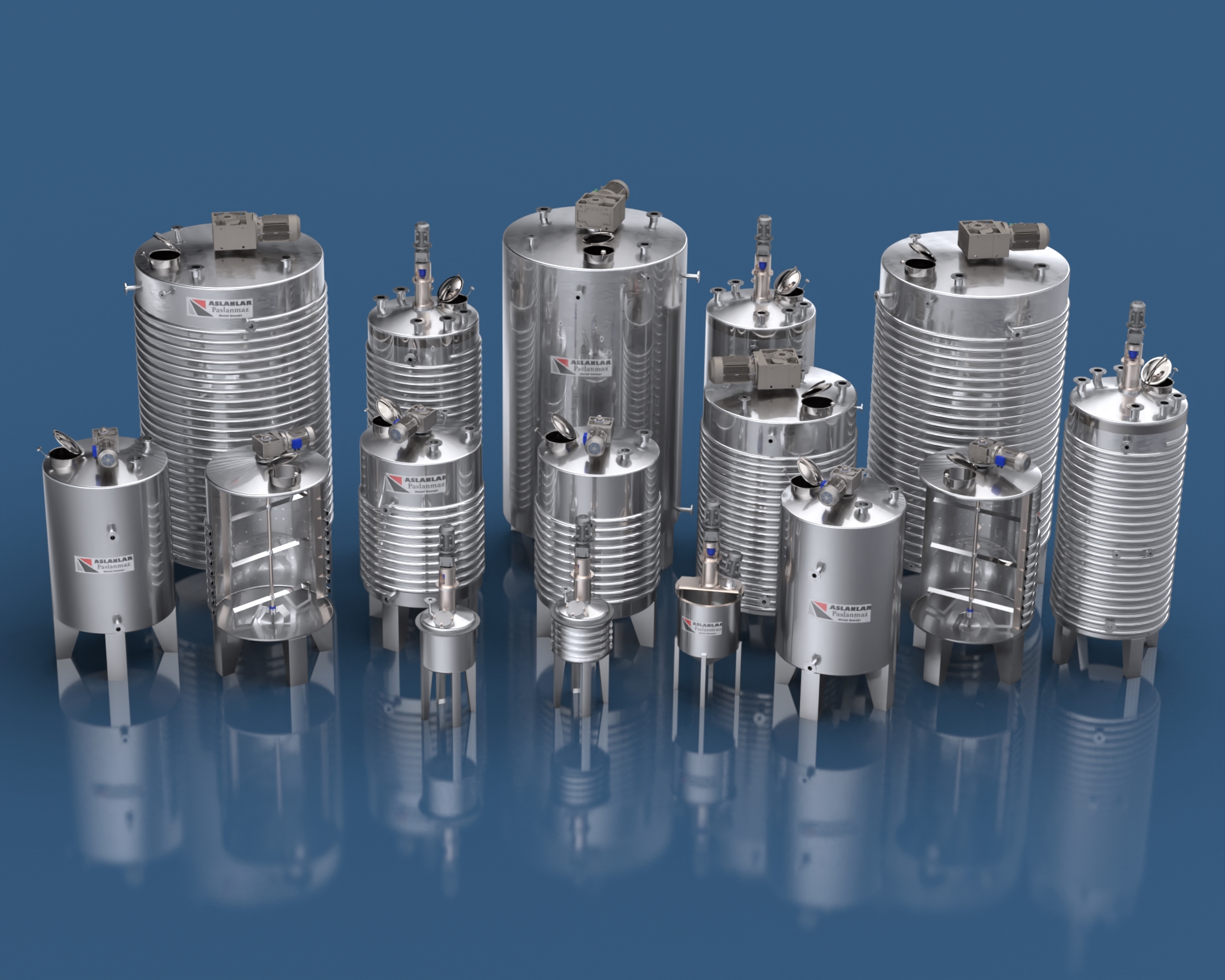
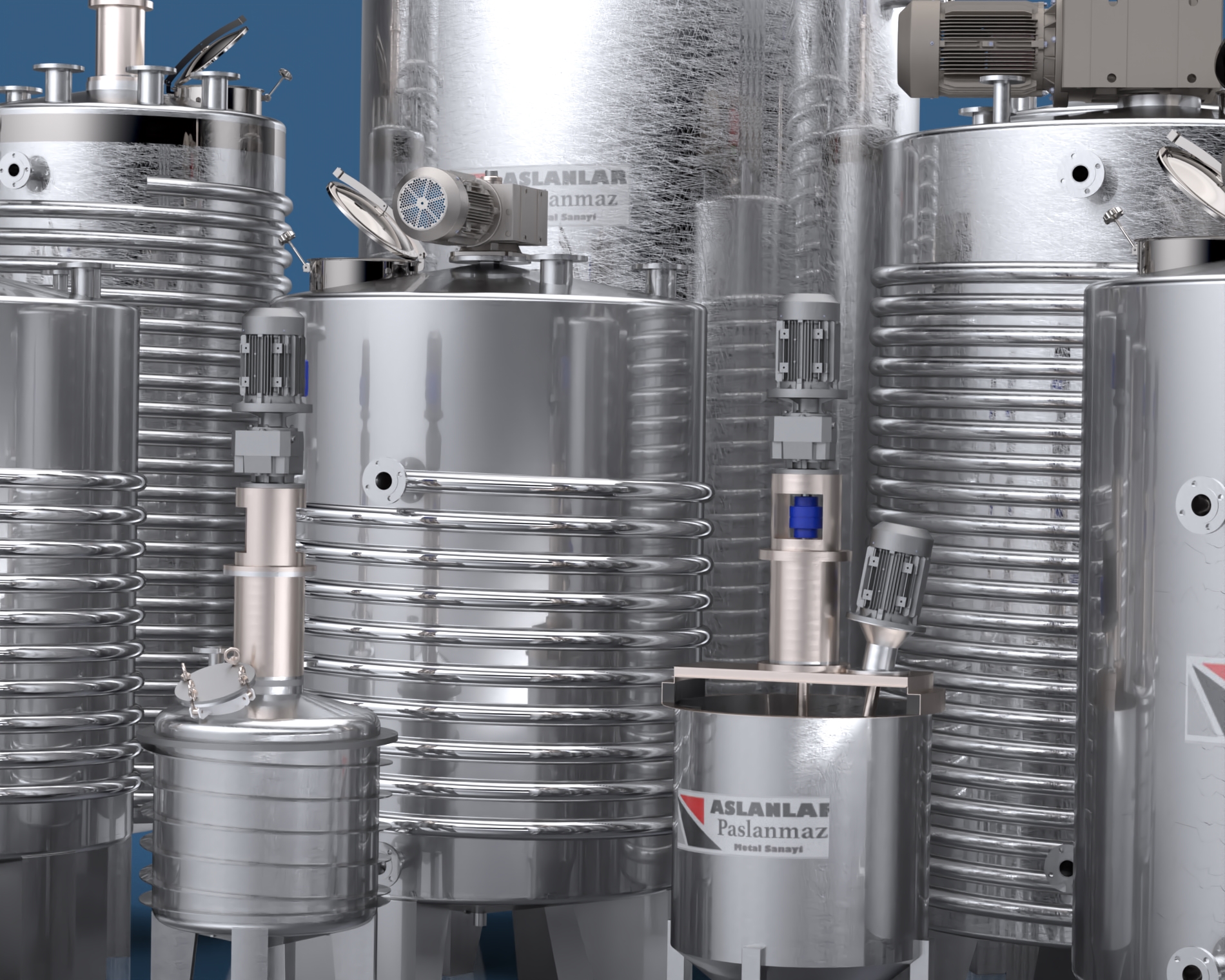
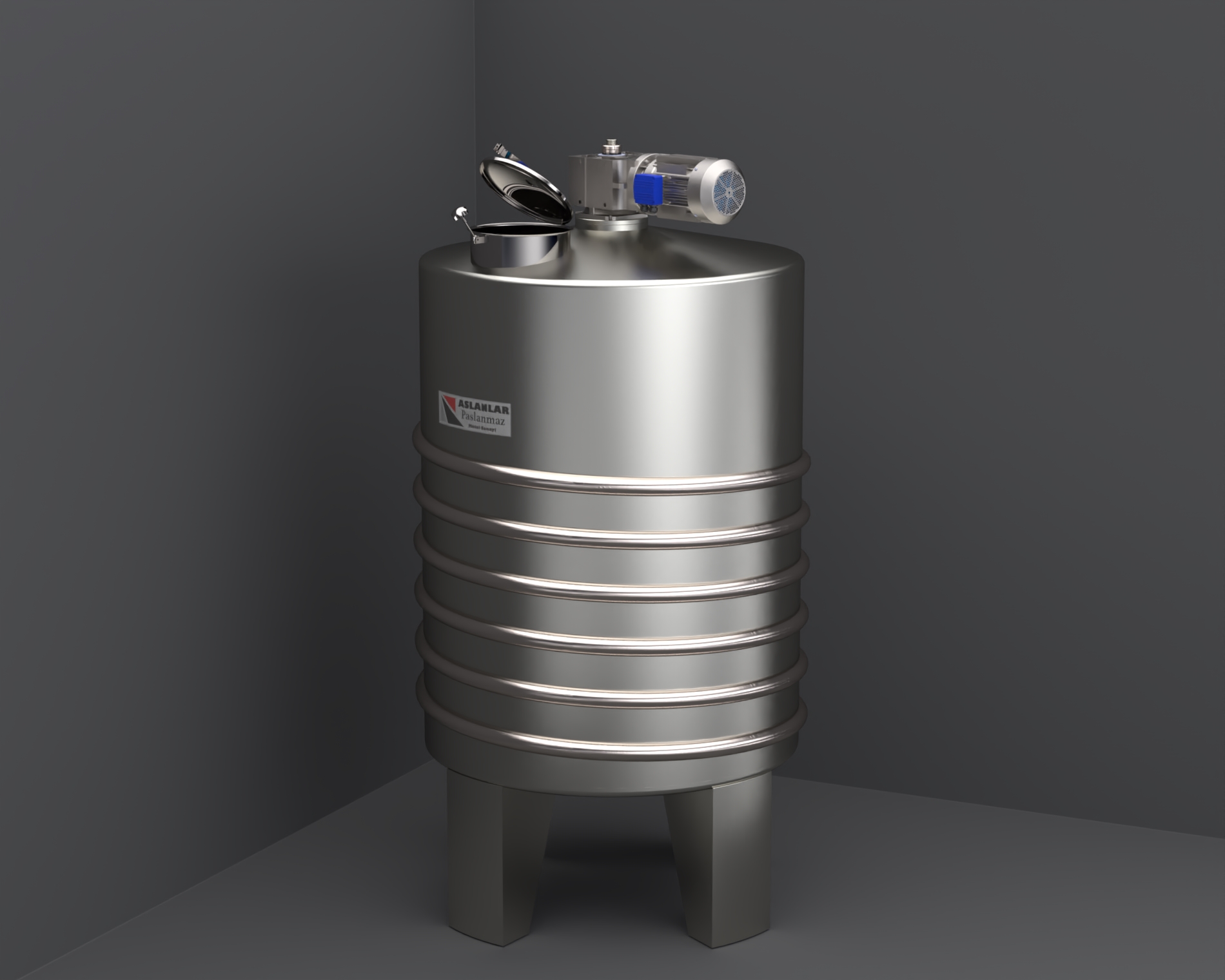
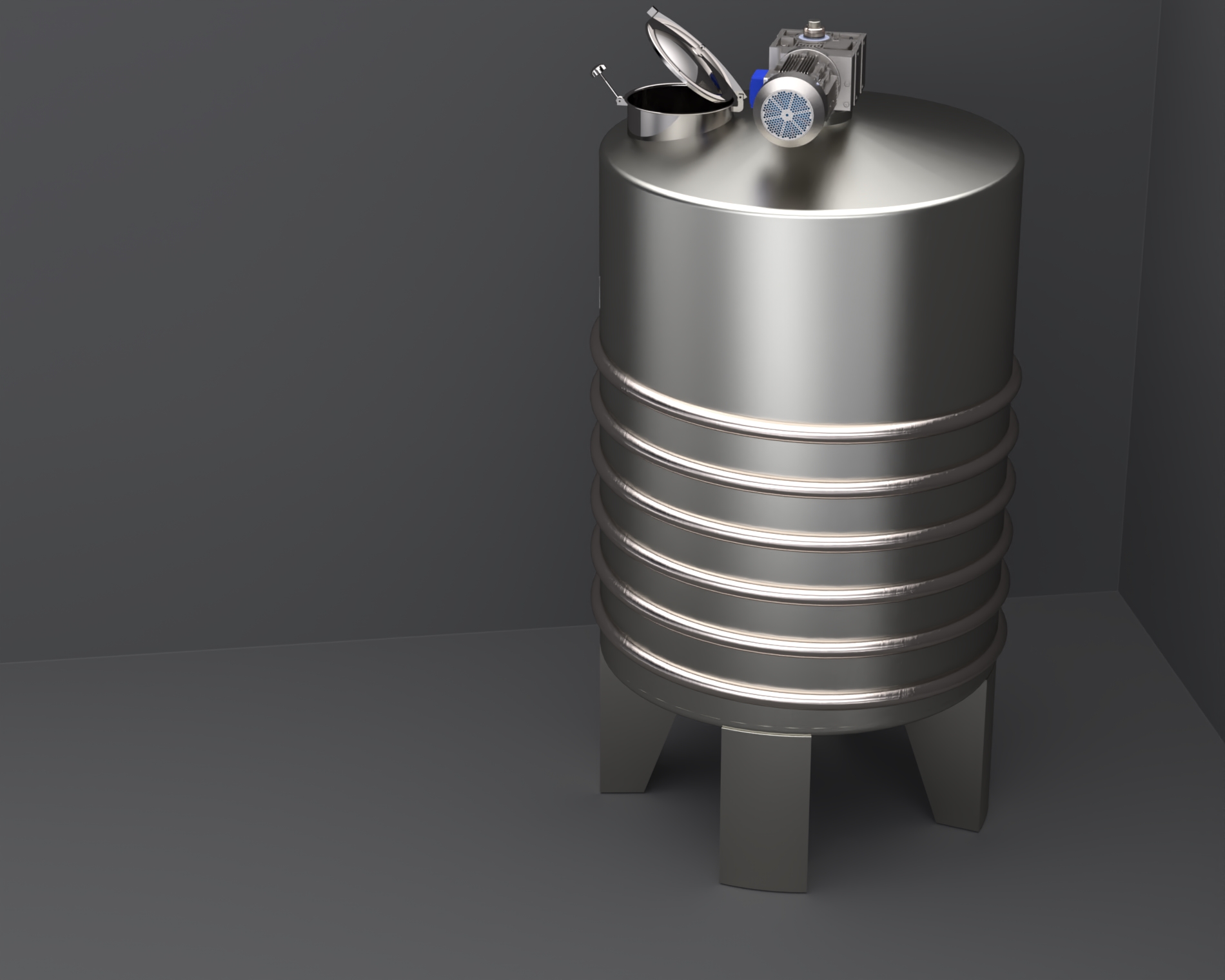
Some products need to remain at a certain temperature while mixing. In this case, a jacketed stainless steel mixer should be preferred instead of a standard tank. These tanks with heating or cooling jackets prevent product spoilage and ensure homogeneous heat distribution. In our stainless steel reactor manufacturing processes, we offer special solutions for your recipes that require precise temperature control.
4. Hygiene Standards and Design (Homogenizer)
Especially in the food and cosmetics industries, avoiding “dead spots” is vital. In food-grade stainless steel mixer designs, the inner surface of the tank must be smooth (polished) and easy to clean (CIP compliant). If you want to reduce the particle size of your product and ensure complete mixing, you should consider investing in a homogenizer mixer tank.
5. Capacity and Layout Plan
One of the most important factors in determining stainless steel mixer tank prices is capacity. However, not only the volume (liters) but also the area where the tank will be placed is important. Vertically or horizontally designed tanks, specially designed for narrow spaces, increase efficiency in your production area. With Asinoks’ special manufacturing stainless steel mixer options, we can create the most suitable design for your existing space together.
Advantage of Working with the Right Manufacturer
An incorrect mixer selection leads to both energy waste and product loss. Working with a partner that provides the right technical support and after-sales service among stainless steel mixer manufacturers is the most profitable investment in the long run.
Which mixer is suitable for your project? Visit our Asinoks Contact page or contact our expert engineers for immediate professional support and information about stainless steel mixer prices.