

What is Stainless Steel?
Stainless steel is an alloy made from a mixture of elements such as iron, chromium, and nickel. Chromium gives the material resistance to corrosion, while nickel increases its durability. Therefore, stainless steel stands out as a long-lasting and robust material.
Structure of Stainless Steel Tanks
What Materials Are They Made Of?
Stainless steel tanks are generally made of 304 or 316 grade steel. 316 grade steel has higher corrosion resistance compared to 304 and is used in more challenging conditions. These two material types are preferred in tanks for hygiene and durability.
Tank Types
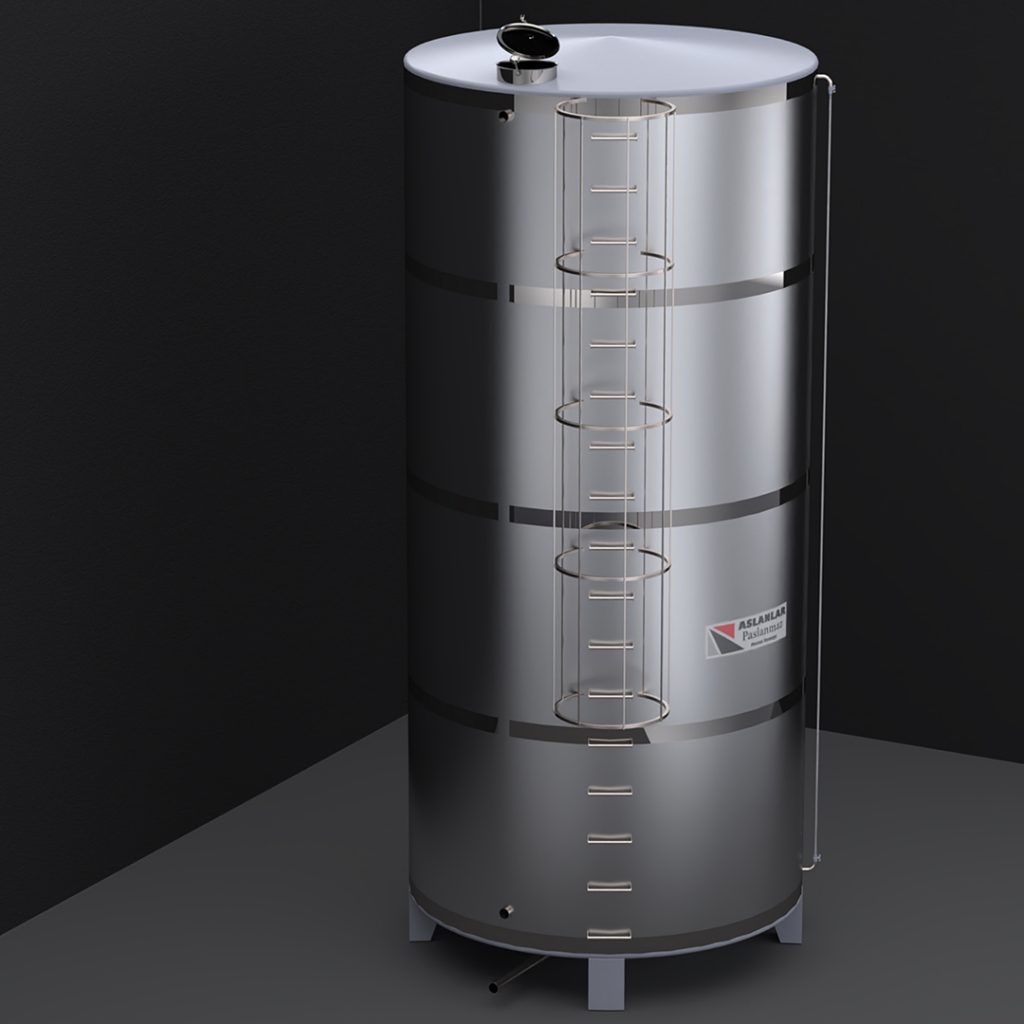
Stainless steel tanks can be produced in different sizes and shapes according to their intended use. Cylindrical, rectangular, and horizontal tank models are the most common. Closed or open tank types are also available depending on the application area.
Advantages of Stainless Steel Tanks
Corrosion Resistance
The biggest advantage of stainless steel is its resistance to corrosion. This feature provides a great advantage, especially in tanks that come into contact with water, acids, and chemicals. This ensures that the tank maintains its original quality for many years.
Long Lifespan
The durability of stainless steel tanks is much higher compared to other materials. Thanks to its corrosion resistance, there is no wear or deterioration over time, so it can be used for many years.
Easy Cleaning and Hygiene
Stainless steel tanks are indispensable in sectors where hygiene is important (e.g., food and pharmaceutical industries). Thanks to its smooth surface, it can be easily cleaned and does not harbor germs.
Aesthetic Appearance
Stainless steel has a bright and modern appearance. This aesthetic feature, especially in tanks used in open areas, causes the tanks to be preferred not only for their functionality but also visually.
Usage Areas of Stainless Steel Tanks
Food Industry
Stainless steel tanks are frequently used in the food industry. Foodstuffs need to be stored in a hygienic environment, and stainless steel perfectly meets this need. Milk, oil, water, and other food products can be safely stored in these tanks.
Chemical Industry
In the chemical industry, the safe storage of chemicals is of critical importance. Stainless steel tanks are safely used for storing chemicals because they are resistant to acids and bases.
Pharmaceutical Industry
Hygiene is the most important factor in the production and storage of medicines. Stainless steel tanks are frequently preferred in the pharmaceutical industry because they provide storage under sterile conditions.
Agriculture and Livestock
Stainless steel tanks are used for storing products such as water and feed in the agriculture and livestock sector. Thanks to their durable structures, they are long-lasting even in harsh outdoor conditions.
Durability of Stainless Steel Tanks
Mechanical Resistance
Stainless steel is extremely resistant to impact and pressure. This feature ensures that the tanks can be used safely even in harsh conditions.
Resistance to Heat and Pressure
Stainless steel tanks are resistant to high temperatures and pressure. This feature provides a great advantage, especially in industrial applications.
Environmental Effects of Stainless Steel Tanks
Recycling Potential
Stainless steel is a completely recyclable material. Therefore, it stands out as an environmentally friendly tank option. Even when its service life is over, it can be re-evaluated and used in other products.
Energy Efficiency
Stainless steel tanks consume less energy compared to other materials in production processes. This reduces the negative impact on the environment.
Comparison of Stainless Steel Tanks with Other Materials
Plastic Tanks
Plastic tanks are known for their low costs. However, they lag behind stainless steel tanks in terms of corrosion resistance and durability. In addition, plastic is not as safe as steel in terms of hygiene.
Concrete Tanks
Although concrete tanks are used in large volumes, they are limited in terms of hygiene and portability. Stainless steel, on the other hand, is a more hygienic and long-lasting alternative.
Stainless Steel Tank Prices
Although stainless steel tanks may seem to have a high initial investment cost, they become economical over time because they are long-lasting. Long service life and low maintenance costs balance the total cost.
Maintenance of Stainless Steel Tanks
Cleaning Recommendations
Cleaning stainless steel tanks is quite simple. It can be easily cleaned with soap and water. If chemical cleaners are to be used, products that will not damage the steel surface should be preferred.
Maintenance Interval
Regular maintenance of these tanks ensures that they are long-lasting. A detailed cleaning and inspection to be done annually prevents possible problems.
Things to Consider When Choosing a Stainless Steel Tank
When choosing a stainless steel tank, factors such as usage area, capacity, and quality should be considered. Choosing a tank suitable for your needs will provide you with an advantage in the long run.
Innovations of Stainless Steel Tanks
Today, stainless steel tanks have become more durable and efficient with the development of technology. New alloys and production techniques are increasing the performance of the tanks.
The Future of Stainless Steel Tanks
Stainless steel tanks will maintain their popularity in the future due to their environmentally friendly and durable nature. The advantages they provide, especially in recycling and sustainability, will increase the use of these tanks.
Stainless steel tanks are indispensable in many sectors with their durability, hygiene, and environmentally friendly structures. They can be safely used in many areas such as food, chemical, and pharmaceutical. With their long-lasting and aesthetic appearance, they are a worthwhile investment option.
Stainless steel tanks offer industrial solutions with their durability and wide range of applications. Learn what to consider when choosing water tanks in this article.