

Serpentine tank
1. What is a Coil Tank?
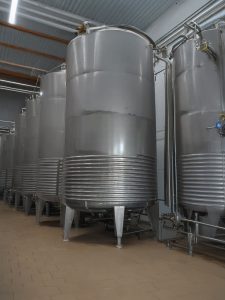
Coil tank is a special design tank type used for heating or cooling liquids. The coil pipe system inside provides heat transfer. It is generally preferred for heating water or storing hot water.
Key Features:
- Coil System: Water or other liquids are effectively heated by the pipes circulating inside.
- Insulation: Special insulation materials are used to prevent heat loss.
- Durability: It is produced with long-lasting materials such as stainless steel or enamel coating.
Usage Purposes:
- Hot water supply
- Energy storage in solar energy systems
- Heat transfer in industrial processes
- Intermediate storage in heating and cooling systems
2. Working Principle of Coil Tanks
Coil storage tanks work according to the principle of heat exchange. The heating fluid passing through the coil pipes inside the tank transfers heat energy to the water or another liquid around it. This process saves energy and obtains liquid at the desired temperature.
Heat Transfer Mechanism:
- Hot water or steam is passed through the coil pipe line.
- Heat is transferred from the surface of the pipes to the tank.
- The liquid in the tank is heated until it reaches the target temperature.
Role of Coil Structure:
- Provides high heat transfer surface.
- Guarantees homogeneous distribution of heat.
- Minimizes energy loss.
Energy Efficiency:
- Heat transfer efficiency is over 90%.
- Correct coil sizing and insulation provide maximum energy savings.
3. Coil Tank Types
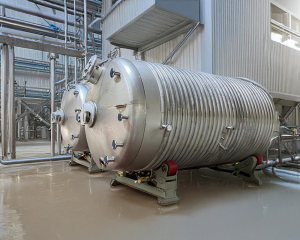
There are various coil storage tanks according to different usage purposes. It is important to consider the needs of the system when making a selection.
Single Coil Tanks:
- Generally used in small-scale systems.
- Works with only one heating source (e.g. solar energy or boiler).
Double Coil Tanks:
- Two separate heat sources can be connected.
- For example, both solar energy and combi system can be integrated.
Stainless Steel Coil Tanks:
- Resistant to corrosion.
- Used in areas where hygiene is important, such as the food industry.
Enamel Coated Coil Tanks:
- Prevents lime and rust formation.
- Provides long-lasting use.
4. Coil Tank Materials
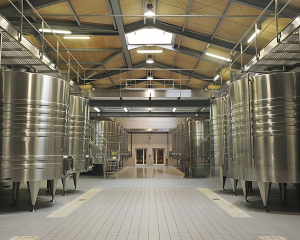
The durability and efficiency of the tank depends on the materials used. Quality material provides both long life and safe use.
- Stainless Steel: High corrosion resistance. Ideal for food and drinking water applications.
- Carbon Steel: More affordable in terms of cost. Common in industrial applications.
- Polyethylene and Other Composites: Lightweight and portable. Resistant to chemicals.
- Enamel Coating Advantages: Protects the inner surface. Prevents lime build-up and rusting.
5. Advantages of Coil Tank
Coil tanks are preferred in many sectors thanks to the various advantages they provide.
- High Heat Efficiency: Coil system provides effective heat transfer.
- Energy Saving: Energy loss is minimized thanks to good insulation and efficient heating.
- Long-Lasting Use: Can last up to 20 years when produced with quality materials.
- Low Maintenance Cost: Works smoothly for a long time with regular cleaning.
- Versatility: Compatible with various energy sources (solar energy, boiler, heat pump, etc.).
6. Disadvantages of Coil Tank
Although it has many advantages, some disadvantages should also be considered.
- Initial Investment Cost: Tanks made of quality materials can be costly.
- Regular Maintenance Requirement: Periodic cleaning is essential to prevent performance loss.
- Space Requirement: Large capacity tanks require large areas.
7. Usage Areas
Coil tanks have a wide range of uses in different sectors.
- Solar Energy Systems: Used to store heat from solar panels.
- Heating and Cooling Systems: Widely preferred in residential and industrial areas.
- Industrial Applications: Provides temperature control in chemical processes.
- Hot Water Storage Systems: Ideal for storing hot water for domestic use.
8. Coil Tank Design
There are some design criteria that should be considered for an efficient coil tank.
- Volume Calculations: The correct volume should be determined according to the usage need. Tanks with a capacity of 200-500 liters are generally sufficient for household use.
- Coil Sizing: The coil diameter and length should be calculated according to the heat source and the type of liquid.
- Insulation Options: Insulation materials such as polyurethane foam or glass wool should be preferred. Quality insulation provides up to 30% energy savings.
- Safety Precautions: Safety valves should be used against overheating. Pressure control systems are required.
9. Coil Tank Assembly and Installation
There are some important points to consider during assembly.
Installation Steps:
- Determining the area where the tank will be placed.
- Mounting the connection pipes.
- Ensuring integration with the heat source.
- Performing test procedures.
Things to Consider:
- Placing the tank on a flat surface.
- Heat and pressure resistance should be checked.
- Professional help is recommended.
10. Coil Tank Maintenance
Regular maintenance is essential to maintain performance and extend the life of the tank.
Regular Cleaning Procedures:
- The inner surface should be cleaned at least once a year.
- Coil pipes should be cleaned of lime.
Limescale Prevention Measures:
- Water softening systems can be used.
- Regular maintenance should be performed with chemical solvents.
Leakage Checks:
- All connection points should be checked regularly.
- Gaskets should be replaced if necessary.
11. Energy Efficiency and Performance Improvement Methods
Some strategies can be used to improve the performance of coil tanks.
- Reducing Heat Loss: High quality insulation should be preferred.
- Efficient Coil Usage: Materials with a high heat transfer coefficient should be preferred.
- Automatic Control Systems: Efficiency can be increased with temperature and pressure monitoring systems.
12. Coil Storage Tank Selection Criteria
The following criteria should be considered for correct tank selection:
- Capacity: The appropriate volume should be determined according to the usage need.
- Material Quality: Long-lasting and durable materials should be preferred.
- Integration: Attention should be paid to compatibility with existing systems.
- Budget: Both quality and cost balance should be considered.
13. Coil Tank Prices (2024)
The prices of coil tanks vary according to many factors.
- Material Based Pricing: Stainless steel tanks are more expensive but durable. Carbon steel and enamel coating are more affordable alternatives.
- Brand and Model Comparisons: It is useful to compare the best models and prices on the market.
- Installation and Shipping Costs: Shipping and installation costs vary according to the volume of the tank.
14. Coil Tank Buying Guide
You can follow the steps below to make the right choice:
- Buy from reliable manufacturers.
- Warranty period and certificates should be checked.
- Customer reviews and expert reviews should be taken into consideration.
Coil tanks are an excellent option for both domestic and industrial uses with their energy efficiency and long-lasting structure. By choosing the right tank, you can both save energy and increase your system efficiency.
15. Frequently Asked Questions (FAQ)
Should I prefer single coil or double coil?
If you only have one heat source (for example, only solar energy or only a solid fuel boiler), a single coil tank is sufficient. However, if you want to integrate two different sources such as both solar energy and a combi/heat pump into the system at the same time, you should use a double coil tank.
How to prevent limescale in coil tank?
Limescale may occur depending on the hardness of the mains water. To prevent this, a water softener device can be installed at the tank inlet or chemical cleaning should be performed by an authorized service at certain periods. Enamel coated tanks are more resistant to lime.
What is the difference between a coil boiler and a coil accumulation tank?
Boilers are generally designed to heat the water inside and provide it directly as domestic hot water (tap water) and their inner surfaces are hygienic (enamel or stainless steel). Accumulation tanks, on the other hand, are generally used to store the water of the heating system (to trap heat) and the water inside circulates in the system.