

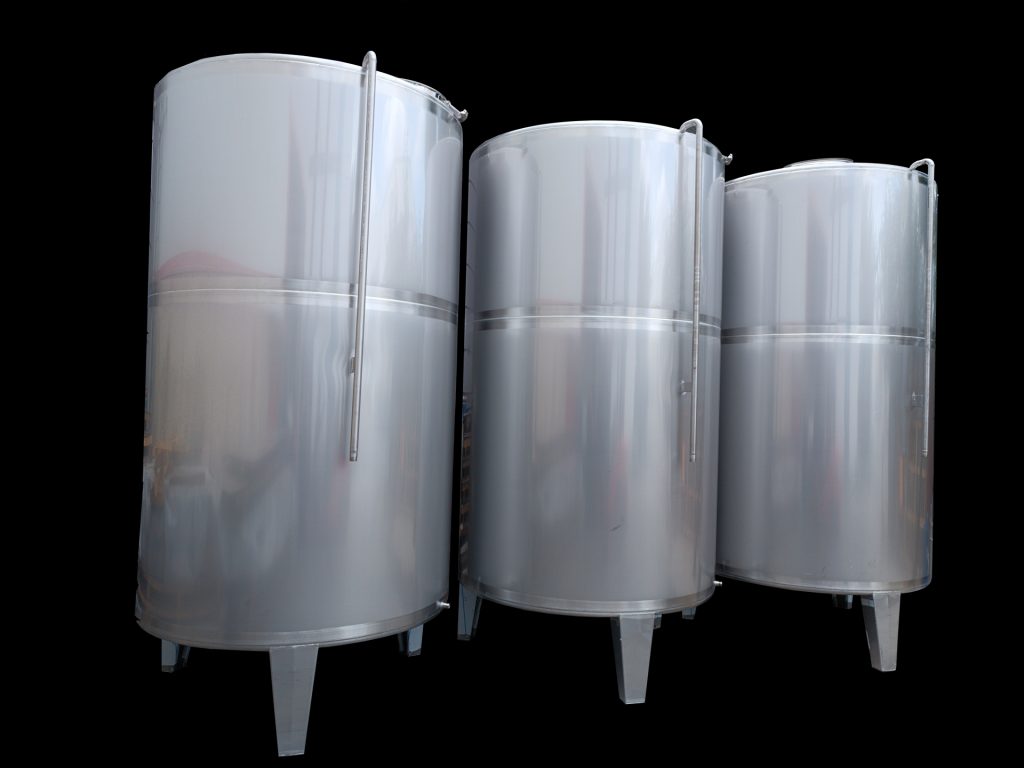
- What is a Stainless Steel Boiler?
Stainless steel boilers are durable storage or processing tanks made of stainless steel and commonly used in industries such as manufacturing, food, chemicals, and energy. The corrosion resistance, hygienic structure, and long lifespan of stainless steel allow these boilers to be used in a wide range of applications.
Stainless steel boilers are generally used for the following purposes:
- Storage: Secure storage of liquid and solid materials.
- Processing: Active use in production processes such as heating, mixing, and cooling.
- Transportation: Transferring liquids from one point to another, especially in large industrial plants.
- Types of Stainless Steel Boilers
Different types of stainless steel boilers are produced according to their usage areas. Here are the main types:
Food Industry Boilers
These boilers, used in the food industry where hygiene is critical, are preferred for processing products such as milk, cheese, yogurt, and sauces. The resistance of stainless steel to bacterial growth increases food safety.
Chemical Industry Boilers
Special designs resistant to chemicals are used for production and storage processes in the chemical industry. These boilers allow aggressive chemicals to be processed safely.
Boilers Suitable for Industrial and Energy Use
Stainless steel boilers are frequently used in industrial facilities where large volumes of liquid or gas need to be stored or processed. They offer high temperature and pressure resistance.
- Advantages of Stainless Steel
There are many advantages that make the use of stainless steel material attractive:
- Corrosion Resistance: Stainless steel does not rust in humid environments or chemical exposure and is long-lasting.
- Hygienic Surfaces: Its structure prevents the growth of microorganisms, providing ease of cleaning.
- Durability: Resistant to physical impacts and deformation.
- Aesthetic Appearance: Offers a modern and clean look.
- Eco-Friendly: Its recyclability is important for environmental sustainability.
- Usage Areas of Stainless Steel Boilers
Stainless steel boilers are used in a wide variety of industries:
- Food Production: Used for processing and storing products such as milk, yogurt, cheese, and chocolate.
- Chemical Production: Functions as tanks and mixing boilers where chemical reactions take place.
- Pharmaceutical Industry: Indispensable for sensitive production processes and sterile conditions.
- Energy and Heating Systems: Preferred in energy facilities where temperature control is required.
- Technical Specifications of Stainless Steel
The technical advantages of stainless steel ensure that the boilers are long-lasting and durable:
- Heat Resistance: Maintains its durability even at high temperatures.
- Chemical Resistance: Resistant to acids, bases, and other chemical substances.
- Weldability: Provides suitability for welding processes during the production process.
- Strength: Low risk of deformation even in intense and long-term use.
- Stainless Steel Boiler Production Processes
The following steps are followed in the production of stainless steel boilers:
- Material Selection: The type of stainless steel is determined according to the need.
- Shaping: Precise cutting and shaping are done with CNC machines.
- Welding and Assembly: Leak-proofing is ensured with TIG welding methods.
- Quality Control: Products are subjected to pressure, temperature, and leak-proof tests.
- Factors Determining Stainless Steel Boiler Prices
Stainless steel boiler prices depend on the following factors:
- Material Quality: The type of stainless steel used affects the price.
- Capacity: The size and storage volume of the boiler can increase the cost.
- Customization: Special design requests create a price difference.
- Stainless Steel Boilers in the Food Industry
Stainless steel boilers play a major role in the food industry in terms of hygiene, durability, and functionality. It is used in the production processes of milk, yogurt, cheese, fruit juice, chocolate, and many other products.
Hygienic Design
The inner surfaces of stainless steel boilers used in the food industry are designed to be smooth and cleanable to prevent the growth of bacteria. This increases food safety while simplifying cleaning processes.
Compliance with International Standards
Stainless steel boilers used in food production must comply with standards such as HACCP (Hazard Analysis and Critical Control Points). In addition, the boilers must also have quality certificates such as ISO 9001 and similar.
Heat Control
Stainless steel boilers allow products to be processed homogeneously by distributing heat evenly. Especially in dairy production, heat control is critical for product quality.
- Use in the Chemical and Pharmaceutical Industries
Stainless steel boilers are preferred in the chemical and pharmaceutical industries due to sensitive processes and chemical resistance requirements.
Chemical Resistance
Stainless steel is resistant to the effects of aggressive chemicals. This increases the reliability of stainless steel boilers in chemical production and storage processes.
Providing a Sterile Environment
Stainless steel boilers used in the pharmaceutical industry are manufactured in accordance with sterilization processes. These boilers can be used as mixers, reactors, and storage tanks used in the production of medicines.
Safety Standards
When working with substances that carry a risk of explosion in the chemical industry, it is vital that stainless steel boilers comply with safety standards. For example, CE certified products should be preferred.
- Maintenance in Stainless Steel Boilers
Although stainless steel boilers are long-lasting, they require regular maintenance and cleaning. Proper maintenance both increases performance and extends service life.
Cleaning Methods
- Manual Cleaning: Especially in the food industry, the inner and outer surfaces of the tank must be wiped regularly.
- Chemical Cleaning: Special cleaners are used for limescale and chemical residues.
- Steam Cleaning: Sterilization with steam is carried out in areas with high hygiene requirements.
Maintenance Planning
Stainless steel boilers should be checked by expert technicians at certain intervals. In particular, the weld points should be checked for cracks or leaks.
- Things to Consider When Choosing a Stainless Steel Boiler
When choosing a stainless steel boiler, it is very important to choose a product that suits your needs and industry requirements.
Capacity
You should choose a boiler with a capacity suitable for your intended use. While small sizes are preferred in the food industry, large storage volume is required in industrial use.
Material Quality
The quality of stainless steel affects the durability and longevity of the boiler. Especially 304 and 316 quality stainless steel are widely preferred.
Manufacturer Reliability
It is important that the manufacturing company is reliable in terms of quality products and service support. Certified and experienced companies should be preferred.
- Factors Determining Stainless Steel Boiler Prices
The prices of stainless steel boilers may vary depending on various factors:
- Material Type: Steel quality directly affects the price. 316 quality steel is generally more expensive.
- Capacity: Larger volume boilers are more costly.
- Custom Design: Customized designs, unlike standard models, can create additional costs.
- Certification: Products with international standards such as ISO and CE are generally sold at higher prices.
- Market Conditions: Exchange rates and material prices can affect boiler costs.
- Stainless Steel Boiler Manufacturers in Türkiye
Türkiye has an important place in stainless steel boiler production worldwide. Domestic production offers quality materials and affordable price advantages.
Leading Companies
Stainless steel boiler manufacturers in Türkiye produce with modern technology and international standards. Local companies offer products for both the domestic market and export.
Advantages of Domestic Production
- More affordable prices.
- Fast delivery.
- Easily accessible technical support.
- Environmentally Friendly Aspects of Stainless Steel Boilers
Stainless steel is a recyclable material and an environmentally friendly option. This feature contributes to sustainable production processes.
Energy Efficiency
Stainless steel boilers save energy with their ability to retain heat. This creates both environmental and cost advantages for businesses.
Recycling
Stainless steel boilers that have completed their service life can be reprocessed and prevent the formation of environmental waste. This supports an environmentally friendly production and usage process.
- Frequently Asked Questions (FAQs)
- In which industries are stainless steel boilers used?
Stainless steel boilers are widely used in the food, chemical, pharmaceutical, and energy industries. - What are the advantages of stainless steel boilers?
They have advantages such as long life, hygiene, corrosion resistance, and recyclability. - What do stainless steel boiler prices depend on?
Prices vary according to material quality, capacity, and customization needs. - Which type of stainless steel is better?
316 quality stainless steel is generally a better option due to its chemical resistance and durability. - How are stainless steel boilers cleaned?
It should be cleaned regularly with steam cleaning, chemical cleaners, or manual methods. - Are there quality stainless steel boiler manufacturers in Türkiye?
Yes, many local manufacturers in Türkiye produce quality stainless steel boilers in international standards.