

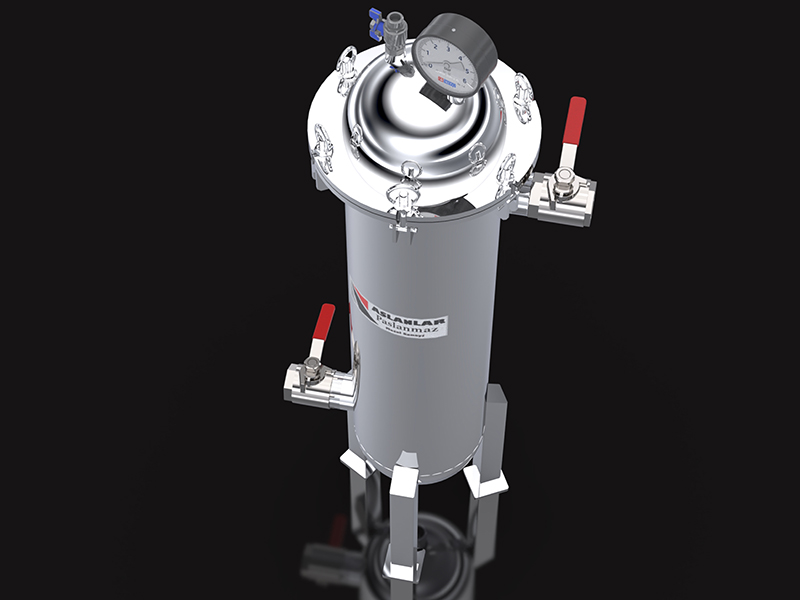
Stainless Steel Filters
Stainless steel filters stand out as a technology offering reliable and durable filtration solutions in various industries. Their resistance to corrosion, long lifespan, and high-temperature resistance have made these filters widely used in industrial applications.
Definition and Uses of Stainless Steel Filters
What is a Stainless Steel Filter?
Stainless steel filters are filter elements made of stainless steel material with a specific pore size. They are commonly used in industrial filtration systems to separate solid particles from liquids or gases. Stainless steel filters are known for their long lifespan and resistance to many different environmental conditions.
Key Features of Stainless Steel Filters
Thanks to the corrosion resistance offered by stainless steel, these filters can be safely used even in harsh environments. Additionally, they can operate without losing their function over a wide temperature range. They are produced in different pore sizes to address various filtration needs, making them a flexible and versatile filtration solution.
Applications in Different Industries
Stainless steel filters are widely used in many sectors such as food and beverage, chemical, petrochemical, water and wastewater treatment. Especially in sensitive production processes, the high purity and efficiency provided by stainless steel filters help to maintain product quality.
Materials Used in the Production of Stainless Steel Filters
Stainless Steel and Other Materials
Stainless steel filters are generally made of different types of stainless steel materials such as 304, 316 and 316L. These steel types provide both mechanical durability and high resistance to chemicals. In some applications, other metal alloys may also be used to give the filters more specific properties.
Material Properties Used in Different Filter Types
The porous structure of stainless steel filters can be obtained by different production techniques such as sintered or woven wire. The materials used in these production techniques directly affect the permeability, pressure resistance and filtration efficiency of the filter.
Types of Stainless Steel Filters
Surface Filters
Surface filters only allow liquids or gases to pass through the outer surface of the filter. These filters usually consist of a thin filter material and are used to capture large particles.
Depth Filters
Depth filters allow the fluid to penetrate the inside of the filter, providing deep filtration. These types of filters are preferred when smaller particles need to be separated.
Sintered Stainless Steel Filters
Sintered stainless steel filters are produced by combining metal powders with the sintering method at high temperatures. This method ensures that the filter remains stable even under higher pressure and temperature.
Wire Mesh Filters
Wire mesh filters are a type of filter created by weaving stainless steel wires together. They offer a wide range of filtration options with different wire thicknesses and mesh densities.
Advantages of Using Stainless Steel Filters
High Durability and Long Lifespan
Stainless steel filters offer a long service life thanks to the durability of stainless steel. Because they are resistant to mechanical wear, corrosion and high temperatures, they can be safely used in many industrial applications.
Corrosion Resistance
Stainless steel filters can be safely used, especially in acidic and alkaline environments, thanks to the natural corrosion resistance of stainless steel. This feature makes them an ideal choice in the chemical and petrochemical industry.
High Heat Resistance
Stainless steel filters are known for their ability to withstand high temperatures. This feature makes these filters indispensable, especially in production processes exposed to temperature changes.
Maintenance and Cleaning of Stainless Steel Filters
Importance of Regular Maintenance for Filter Efficiency
The performance of stainless steel filters can be maintained for a long time with regular maintenance and cleaning. Dirt and debris accumulated in the filter can reduce filtration efficiency. Therefore, the filter needs to be cleaned periodically.
Stainless Steel Filter Cleaning Methods
Stainless steel filters can usually be cleaned using pressurized air, water or chemical solvents. In addition, some filters may need to be removed and reassembled for cleaning.
Maintenance Frequency and Lifespan Relationship
Regular maintenance of stainless steel filters extends the life of the filter and increases system efficiency. The frequency of maintenance may vary depending on the difficulty of the environment in which the filter is used.
Application Areas of Stainless Steel Filters
Stainless steel filters have a wide range of industrial applications. They are widely used in many sectors with filtration requirements. Some of the most common uses of these filters are:
Food and Beverage Industry
Food and beverage production is a sector where hygiene and purity are extremely important. Stainless steel filters are used in these processes to separate foreign substances in liquids and gases in order to maintain purity. The chemical and corrosion-resistant structure of stainless steel makes these filters ideal for products that come into contact with food. For example, these filters are used to separate impurities in the production of milk, fruit juice or beer.
Chemical and Petrochemical Industry
Since stainless steel filters have to work with aggressive chemicals in the chemical and petrochemical industries, they are an excellent solution. Filters that come into contact with acidic and basic environments can be used without loss of performance in these harsh conditions thanks to their corrosion resistance. Stainless steel filters play an important role in maintaining the purity of both liquids and gases in chemical production processes.
Water and Wastewater Treatment
In water treatment plants, stainless steel filters play an important function in maintaining the purity and quality of water. These filters effectively separate solid particles and organic substances in the water, ensuring clean water is obtained. In wastewater treatment plants, stainless steel filters are used in the process of separating harmful substances from water and disposing of them safely.
Automotive and Aviation Applications
In the automotive and aviation industries, it is extremely important to ensure the cleanliness of engine oil, fuel and other fluids. Stainless steel filters purify the fluids used in such applications, preventing wear and clogging of engine parts. At the same time, the efficiency and safety of aircraft and vehicle engines are increased.
Differences Between Stainless Steel Filters and Traditional Filters
Stainless steel filters have many advantages compared to traditional filters made of other materials such as plastic or paper.
Metal Filters vs. Plastic Filters
Plastic filters are generally disposable and are preferred as low-cost solutions. However, they do not last long in environments that require high temperatures and contact with chemicals. Stainless steel filters, on the other hand, are reusable, durable and long-lasting. While plastic filters are sensitive to corrosion, stainless steel filters stand out with their corrosion resistance, making them indispensable in sectors that require chemical processing.
Extra Durability Provided by Stainless Steel Filters
The high durability level of stainless steel filters makes them suitable for long-term use in heavy industrial environments. Metal filters maintain their structural integrity even under extreme pressure and temperature and require less maintenance. These advantages provide cost savings in the long term.
Cost and Efficiency of Stainless Steel Filters
Initial Investment Cost
Stainless steel filters may be more expensive initially compared to other types of filters. However, the long life and durability of these filters offer a more economical solution in the long run. While other filters may need to be replaced frequently, stainless steel filters can be used for a long time.
Long Term Savings
The durability and reusability of stainless steel filters reduce businesses’ maintenance and replacement costs. Since there are fewer failures and filter changes in the long run, operating costs are significantly reduced.
Efficiency and Energy Saving
Stainless steel filters contribute to energy saving by providing minimum pressure drop during the filtration process. Achieving the same efficiency using less energy is an important advantage, especially in large-scale industrial applications.
Performance Criteria of Stainless Steel Filters
The performance of stainless steel filters is evaluated based on various factors. These factors determine the effectiveness and sustainability of the filtration system.
Filtration Efficiency
Filtration efficiency refers to how well a filter can capture particles of a certain size. Stainless steel filters offer high efficiency, especially in sensitive filtration processes. Capturing microscopic particles in liquids or gases directly affects quality, especially in sensitive production processes.
Pore Size and Permeability
The pore size of stainless steel filters determines the degree of filtration. Small pore sizes allow finer particles to be captured, while larger pores provide high flow rates. This parameter can be optimized according to the needs of the application.
Pressure Drop and Flow Rate Performance
During filtration, the pressure drop that the fluid experiences while moving through the filter is an important parameter for the efficiency of the filter. Stainless steel filters provide high flow rates with low pressure losses thanks to their optimized structures. This saves energy and increases system efficiency.
Environmental Impact of Stainless Steel Filters
Stainless steel filters also attract attention as environmentally friendly solutions. They reduce waste generation thanks to their recyclability and long-lasting use.
Manufactured from Recyclable Materials
Stainless steel is a fully recyclable material and can be reused at the end of its service life. This provides an important advantage in terms of sustainability by reducing its negative impact on the environment.
Waste Reduction Due to Long Life
Compared to other disposable filters, stainless steel filters generate less waste because they have a long service life. This minimizes environmental impact and provides businesses with a sustainable filtration solution.
Selection Criteria for Stainless Steel Filters
There are several important factors to consider when choosing stainless steel filters. These criteria directly affect the performance and lifespan of the filter.
Filter Selection According to Application Area
Each industry and filtration process has its own unique needs. When choosing a filter, the chemical composition, temperature, pressure and filtration sensitivity of the environment in which it will be used should be considered. For example, filters to be used in chemical processes require high corrosion resistance and temperature resistance, while hygienic standards are at the forefront in the food industry.
Pore Size and Filtration Level
The pore size of the filter should be determined according to the requirements of the application. Filters with small pore sizes should be preferred for more sensitive filtration needs. Balancing the flow rate and filtration level is important for optimal performance.
Durability and Maintenance Requirements
The durability of stainless steel filters provides cost effectiveness in long-term use. However, the maintenance requirements of the filters should also be considered. Filters that require less maintenance reduce operating costs and increase efficiency.
Manufacturing Process of Stainless Steel Filters
The production process of stainless steel filters is a meticulous process in terms of processing the materials used and creating the filter structure.
Production of Stainless Steel Materials
The stainless steel used in the production of stainless steel filters is produced using alloys consisting of iron, chromium and other elements. This type of steel is resistant to high temperatures and chemicals.
Sintering and Wire Mesh Production Techniques
Stainless steel filters are produced by sintering or wire mesh techniques. Sintering is done by combining metal powders at high temperature, while wire mesh filters are obtained by weaving fine stainless wires. Both techniques determine the pore structure and filtration performance of the filter.
Application Difficulties of Stainless Steel Filters
Impact of High Costs
The initial cost of stainless steel filters is higher than other filters. This may be a disadvantage for some businesses. However, the savings and durability they provide in the long run can offset this cost.
Installation and Maintenance Difficulties
Installation and maintenance of stainless steel filters can be complex for some applications. Especially in large-scale systems, proper installation and regular maintenance of the filters may require expertise.
Specific Filtration Needs
Some industries have very sensitive filtration requirements. In these cases, the properties of stainless steel filters must be properly optimized. Incorrect filter selection can negatively affect the performance of the system.
Development and Future of Stainless Steel Filters
Innovative Technologies and Innovations
Innovations in filtration technologies continue to increase the performance and efficiency of stainless steel filters. While nanotechnology enables the production of more sensitive filters, customized filter solutions are developed with 3D printing technology.
Expanding Usage Areas of Stainless Steel Filters in the Future
Stainless steel filters will become more widely used in more sectors in the future as they offer sustainable and efficient solutions. It is expected that recyclable and durable filters will be preferred, especially in a world where environmental awareness is increasing.
Things to Consider When Choosing and Purchasing Stainless Steel Filters
Quality Documents and Certificates
The quality of stainless steel filters must be guaranteed with international certificates and documents. ISO certificates, hygiene documents and product test reports are important criteria showing the performance and reliability of the filter.
Things to Consider When Choosing a Supplier
Supplier selection is of great importance in terms of filter quality and longevity. Filters purchased from reliable and experienced suppliers cause fewer problems in the long run and offer efficient use.
Stainless steel filters offer an excellent solution for industrial filtration needs with their durability, corrosion resistance, high heat resistance and long lifespan. These filters, which have a wide range of applications in different industries, seem to be preferred more in the future with their high performance and environmentally friendly structures. Correct stainless steel filter selection and regular maintenance both provide cost savings and increase filtration efficiency.