

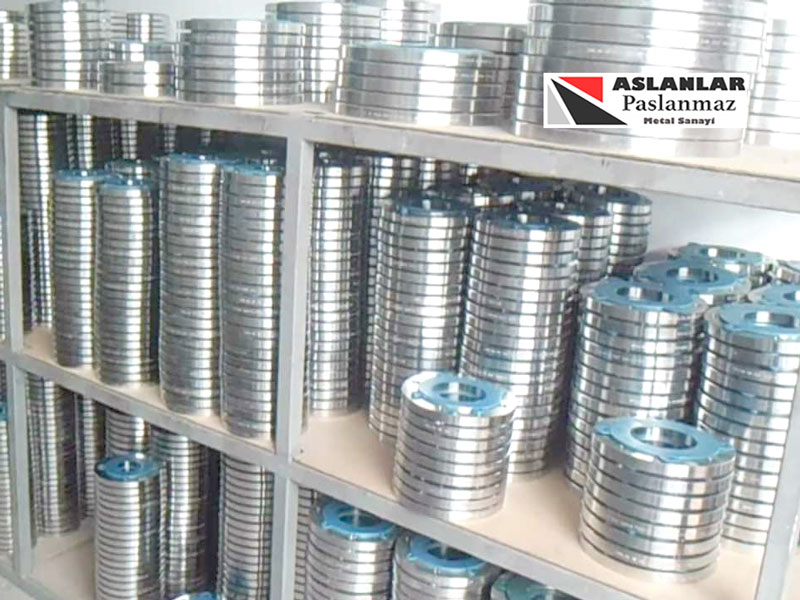
Stainless Steel Flanges: Definition and Usage Areas
Stainless steel flanges are connection elements widely used in the industry. They are frequently preferred in pipe systems, tanks, and various machine equipment due to their high durability, corrosion resistance, and sealing properties. In this article, we will provide detailed information by offering a broad perspective from the definition of stainless steel flanges to their usage areas.
What is a Flange?
A flange is a connection element that ensures two components are securely connected. It is commonly used in pipelines, valves, or pumps. Flanges provide sealing at connection points, while also allowing the system to be easily disassembled and maintained when necessary. Historically, the use of flanges became widespread with the industrial revolution and has become a fundamental part of modern piping systems.
Structure and Basic Function of a Flange
Flanges usually have a circular structure and are flat discs that connect the ends of pipes or various equipment. Flanges are connected to each other with the help of bolts and gaskets. These connections ensure the safe and leak-proof transportation of liquid and gas fluids.
What is Stainless Steel?
Stainless steel is an alloy whose main component is iron, but it contains certain proportions of elements such as chromium, nickel, and molybdenum. These elements enable the steel to gain resistance against corrosion. Stainless steel is especially known for its 304 and 316 grades, and both types are used in different applications.
- 304 Stainless Steel: It is a commonly used type and is used in most industries. Its corrosion resistance is good, and its cost is low.
- 316 Stainless Steel: It is preferred in more aggressive environments. Thanks to its molybdenum content, it provides superior protection even in harsh conditions such as seawater.
Stainless steel offers high strength, durability, and long life when used in parts such as flanges.
What is a Stainless Steel Flange?
Stainless steel flanges are products made of stainless steel and used as connection elements. These flanges are preferred especially in applications where high resistance to corrosion is required. Stainless steel flanges are resistant to water, gas, chemicals, and high temperatures.
Advantages of Stainless Steel Flanges
- Corrosion Resistance: Stainless steel flanges are stainless and durable even in humid and chemical environments.
- High Temperature Resistance: Stainless steel flanges that maintain their structure at high temperatures can be used safely in pipe systems exposed to high heat.
- Long Life and Durability: The natural durability of stainless steel ensures that the flanges operate smoothly for many years.
Stainless steel flanges require longer life and less maintenance compared to flanges made of different materials.
Types of Stainless Steel Flanges
Stainless steel flanges are produced in various types according to different industrial needs. Each type has its own unique features and usage areas:
Flat Face Flanges
This type of flange has a flat surface and is ideal for low-pressure applications. It is used with sealing gaskets and is generally preferred in water treatment systems.
Weld Neck Flanges
Used in applications requiring high pressure and temperature, weld neck flanges are welded to pipes and provide a solid connection. These types of flanges are common in petrochemical and power plants.
Threaded Flanges
Threaded flanges are connected to pipes without welding. It is especially used in low-pressure systems and applications requiring frequent maintenance.
Blind Flanges
Blind flanges, which are used to close the ends of pipes, are used in systems where pressure testing is required or where a system needs to be expanded.
Socket Weld Flanges
Designed for smaller pipe diameters, these flanges are welded to the inside of the pipe and provide a secure connection in high-pressure applications.
Standards of Stainless Steel Flanges
Stainless steel flanges are manufactured in accordance with international standards. The most common standards include DIN, ANSI, ASME, and EN. These standards define the dimensions, pressure classes, and material properties of the flanges.
- DIN Standards: European-based standards, especially used in German production.
- ANSI and ASME Standards: American standards and are accepted worldwide.
Flanges manufactured in accordance with standards provide compatibility when used in international projects and ensure quality.
Stainless Steel Flange Production Process
Stainless steel flange production is carried out with high-quality raw materials and advanced production techniques. The first step is the selection of stainless steel raw material. This material is then turned into a flange by going through hot forging, cutting, shaping, and heat treatment processes.
Quality Control Processes
After production, the flanges undergo various tests to check whether they comply with standards. These tests generally include parameters such as hardness, strength, and tightness.
Usage Areas of Stainless Steel Flanges
Stainless steel flanges are used in a wide variety of industries thanks to their durability and corrosion resistance. They are especially often preferred in pipe systems where liquids and gases are transported. Here are some important usage areas:
Usage in Industrial Facilities
Stainless steel flanges are widely used in chemical and petrochemical plants, refineries, cement factories, and food processing plants. In such environments, the corrosion-resistant structure of stainless steel offers a great advantage. It provides long-lasting performance, especially in environments with aggressive chemicals and high temperatures.
Petrochemical and Gas Sector
Stainless steel flanges play a major role in the transportation of oil, natural gas, and other energy sources. By providing a safe and leak-proof connection in pipelines, they prevent gas leaks and environmental risks. Stainless steel flanges that can operate under high pressure and temperature are of critical importance in these sectors.
Maritime Sector
In the maritime sector, stainless steel flanges are preferred in pipe systems used especially in ships and offshore platforms. These types of environments carry a risk of corrosion due to high salinity, but stainless steel flanges are durable even in these conditions. They can be used safely in systems that come into direct contact with seawater.
Energy and Power Plants
Stainless steel flanges are widely used in power plants, especially in nuclear and thermal power plants. Thanks to their ability to withstand high temperature and pressure conditions for a long time, they provide a safe connection in energy production processes.
Water Treatment and Environmental Technologies
Stainless steel flanges are used in pipe systems where water is transported and in various environmental technologies in water treatment plants. In these applications, flanges show resistance to water, while remaining stainless and clean in structure for a long time. They are also preferred in water treatment systems for being hygienic.
Advantages of Stainless Steel Flanges
There are many reasons why stainless steel flanges are preferred in industrial applications. The advantages they provide stand out significantly when compared to flanges made of other materials.
Corrosion Resistance
One of the most important advantages of stainless steel flanges is their high resistance to corrosion. The chromium content of stainless steel prevents oxidation of the metal by forming a thin oxide layer on the surface. Thanks to this, stainless steel flanges provide long-lasting and trouble-free use, especially in humid and chemical environments.
Resistance to High Temperatures
Stainless steel flanges are resistant to high temperatures. Especially 316 stainless steel flanges can be used safely in pipe lines exposed to heat by maintaining their strength under high temperatures. This is a great advantage in places where high heat is involved, such as power plants.
Durability and Long Life
Stainless steel flanges are long-lasting thanks to their durable structures. Since they are resistant to corrosion and external factors, they can be used for years without requiring maintenance. This feature also reduces maintenance and repair costs.
Ease of Maintenance
Stainless steel flanges require minimal maintenance. Thanks to their oxidation-resistant structure, cleaning and maintenance operations are performed less frequently. In addition, they can maintain their function for years without showing any signs of rusting, which is a great advantage in industrial facilities.
Quality Control in Stainless Steel Flanges
Strict quality control tests are applied during the production stages to ensure that stainless steel flanges are of high quality and safe. These tests check whether the flanges comply with international standards and ensure safety for industrial uses.
Test and Inspection Methods
Different methods are used in the process of testing stainless steel flanges. The most common test methods are:
- Hardness Test: A hardness test is performed to measure the durability and strength of the flange. This test determines how durable the flange is under mechanical stress.
- Leakage Test: Flanges must not leak liquid or gas when assembled. Leakage tests check the tightness of the flanges at the connection points.
- Strength Test: This test measures how much resistance the flange can show against tensile force. High-strength flanges provide safe use, especially in high-pressure applications.
Certification Processes
After production, certificates are prepared that document the compliance of stainless steel flanges with quality standards. These certificates prove that the product complies with national and international standards. Flange manufacturers offer reliable products by having certificates such as ASME, ISO, DIN.
Stainless Steel Flange Installation and Maintenance
Installation and regular maintenance of stainless steel flanges are of great importance for long-term and trouble-free use. Here are some important points to consider during the installation process and recommendations for the maintenance of flanges:
Flange Installation Stages and Things to Consider
Stainless steel flanges can cause leakage problems if not installed properly. Here are the things to consider when installing flanges:
- Correct Gasket Selection: The gaskets that provide sealing between the flanges should be selected according to the application conditions. Appropriate materials should be used in cases requiring high temperature or chemical resistance.
- Bolt Torque: Tightening the flanges correctly is critical for sealing. The bolts must be tightened according to the specified torque values.
- Leakage Test: After the installation is completed, the leakage test of the system should be performed. These tests detect possible leaks and confirm that the installation is done correctly.
Maintenance and Inspection Frequencies
Regular maintenance is important for stainless steel flanges to have a long life. The following maintenance recommendations can be applied especially for flanges operating under high pressure and temperature:
- Periodic Inspections: Visual inspection of the flanges on the pipelines should be done at certain intervals. Although corrosion is rare in stainless steel, it should be checked whether there is any deformation at the connection points.
- Bolt Tightening Controls: Bolts may loosen over time. Therefore, flange connections may need to be re-tightened periodically.
Things to Consider When Choosing Stainless Steel Flanges
There are some important factors to consider when choosing stainless steel flanges. Choosing the right flange ensures the system has a long life and operates smoothly.
Selection by Flange Type
The type of flange to be used should be determined according to the requirements of the application. While flat flanges are preferred for low-pressure systems, weld neck flanges may be more suitable for systems requiring high pressure and temperature.
Pressure and Temperature Conditions
When choosing stainless steel flanges, the pressure and temperature conditions to which the system will be exposed should be taken into account. Flanges to be used in high-pressure environments should be thicker and more durable. Likewise, materials with high temperature resistance should be preferred.
Environmental Factors
It should be assessed whether the environment in which stainless steel flanges will be used carries a risk of corrosion. 316 grade stainless steel flanges should be preferred in extremely corrosive environments such as seawater.
Cost Factors of Stainless Steel Flanges
The cost of stainless steel flanges varies depending on the type of material used, the production process, and the purchase quantity. High-quality stainless steel used in the production process directly affects the cost.
Factors Affecting Production Cost
The factors that determine the cost of stainless steel flanges are:
- Material Type: Different types of stainless steel such as 304 and 316 are effective on cost. 316 grade stainless steel is generally more expensive as it offers high corrosion resistance.
- Processing and Production Techniques: Forging and cutting techniques used during production may cause an increase in cost. Costs increase especially in the production of large diameter flanges, as more processing and workmanship are required.
Cost Differences According to Stainless Steel Type
While 304 grade stainless steel offers a more economical option, 316 grade stainless steel is more expensive as it provides more resistance in harsh environments such as maritime and chemical. However, considering the long-term maintenance costs, 316 grade steel, which is more expensive, can offer a cost-effective solution, especially in abrasive environments.
Things to Consider in Stainless Steel Flange Import and Export
Import and export of stainless steel flanges play an important role in global trade. In these processes, attention should be paid to international standards and trade regulations.
International Standards
In the international trade of stainless steel flanges, the compliance of the products with the specified standards is extremely important. Standards such as ASME, DIN, and ISO are accepted in the global market and guarantee the quality of the flanges.
Customs and Transportation Processes
During the export of stainless steel flanges, attention should be paid to country-specific customs regulations. During customs procedures, documents showing that the products comply with the standards must be submitted. In addition, appropriate packaging should be done to prevent damage to the flanges during transportation.
Export Permits and Documents
In the export of stainless steel flanges, the necessary permits must be obtained and documents must be prepared according to the laws of the country. During the export, certificates showing which standards the products comply with are added, as well as manufacturer information and quality documents.
Stainless Steel Flanges and Environmental Effects
The environmental effects of the steel industry are a major topic of discussion today. Stainless steel offers an environmentally friendly option as it is a recyclable material. The recycling process and environmental effects of stainless steel flanges are examined below.
Stainless Steel Recycling
Stainless steel can be recycled repeatedly and does not lose its quality during the recycling process. This feature makes stainless steel flanges a sustainable option. Stainless steel flanges that have completed their service life can be recycled and used in new products.
Environmentally Friendly Production Processes
Today, many manufacturers are switching to environmentally friendly production processes. Measures such as energy efficiency, waste management, and reducing carbon emissions help reduce the environmental impact in stainless steel production.
Sustainability and Environmental Policies
Stainless steel flange manufacturers try to fulfill their environmental responsibilities by developing sustainability policies. Measures such as increasing recycling rates, reducing energy consumption, and waste management are prominent topics in these policies.
-Future Stainless Steel Flange Technologies
In stainless steel flange technologies, constantly developing new materials and production techniques will play an important role in the future. The widespread use of smart manufacturing and automation systems will bring great changes in the production process of stainless steel flanges.
Innovative Materials and New Technologies
Apart from stainless steel, new developments in alloy technology can increase the durability of flanges. High-performance alloys and special coatings can enable flanges to be lighter and more durable in the future.
Smart Manufacturing and Automation
With Industry 4.0, smart manufacturing systems are being put into operation in flange production. Automated production lines aim to speed up the production process while reducing costs. In addition, thanks to digitalization, product quality can be produced at higher standards.
Industry 4.0 and Stainless Steel Flange Production
Industry 4.0 is considered a technology that will revolutionize stainless steel flange production. This technology includes the digitalization, automation, and data analysis of production processes. In this way, manufacturers can develop more efficient and sustainable production processes.
Stainless steel flanges are important connection elements that offer safe, durable, and long-lasting solutions in industrial applications. They are used in many different sectors with their corrosion resistance, high temperature resistance, and compliance with various industrial standards. With proper material selection, correct installation, and regular maintenance, stainless steel flanges can operate smoothly for many years. With developing technology, the future usage areas and production processes of stainless steel flanges will continue to evolve.