

Stainless Steel Industrial Mixer: The Complete Guide
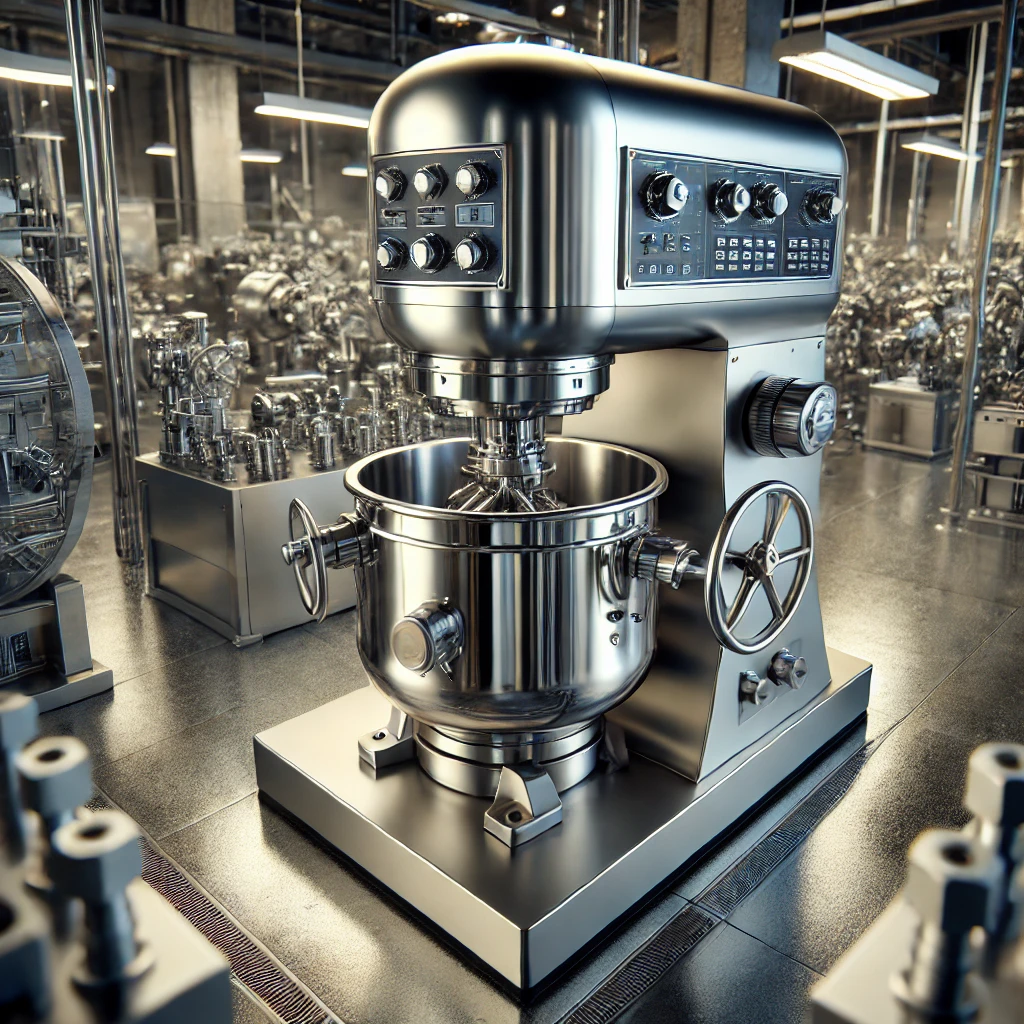
The stainless steel industrial mixer is a durable and versatile piece of equipment used in industrial production processes. These devices, made of stainless steel, have a wide range of uses in many sectors, such as chemistry, pharmaceuticals, food, and cosmetics. Thanks to their durability and long-lasting structure, stainless steel mixers are known for high performance and low maintenance requirements. In this article, we will discuss the details and various uses of stainless steel industrial mixers.
What is a Stainless Steel Industrial Mixer?
Stainless steel industrial mixers are defined as machines used to mix various materials homogeneously. Thanks to its stainless steel structure, it is highly resistant to corrosion and performs excellently even in harsh environmental conditions.
History and Development of Industrial Mixers
Mixer technology has shown great development with the industrial revolution. Initially, these devices, which operated with simple mechanical systems, have been made more efficient today by being equipped with digital and smart technologies.
Advantages of Stainless Steel Material
Stainless steel is the most preferred material in the production of industrial mixers. The main reasons for this include its resistance to corrosion, long life and easy cleaning.
Corrosion Resistance
One of the biggest advantages of stainless steel is its superior resistance to corrosion. This feature provides a great advantage, especially for industries that work with chemical substances.
Long Life and Durability
Stainless steel mixers are long-lasting thanks to their durable structure. Their resistance to harsh conditions helps these devices amortize their investment costs in a short time.
Types of Stainless Steel Industrial Mixers
Stainless steel industrial mixers are produced in various types according to different needs and applications. Here are the most commonly used mixer types:
Horizontal Mixers
Horizontal mixers are machines with blades that rotate around a horizontal axis and are used in high-volume production processes. This type of mixer is ideal for obtaining homogeneous mixtures.
Vertical Mixers
Vertical mixers have a vertical structure and are used especially for mixing low-viscosity materials. Their smaller footprint makes these mixers suitable for narrow spaces.
Usage Areas of Stainless Steel Mixers
Stainless steel industrial mixers are widely used in many sectors:
Food and Beverage Industry
In food and beverage production, it is very important to mix the materials hygienically. Stainless steel mixers offer reliable solutions in this field.
Chemical and Pharmaceutical Sector
The chemical and pharmaceutical industry requires precise mixtures and high purity products. Stainless steel mixers are an excellent choice to meet these needs.
Stainless Steel Industrial Mixer Selection Criteria
There are some important criteria to consider when choosing a stainless steel industrial mixer:
Capacity and Volume Needs
The capacity of the mixer you will use in your production processes should be compatible with your processing volume.
Viscosity and Density
The viscosity and density of the materials to be mixed are one of the determining factors in choosing the right mixer.
Maintenance and Cleaning of Stainless Steel Mixers
Regular maintenance and cleaning are very important for stainless steel industrial mixers to operate in a long-lasting and efficient manner. These steps increase the performance of the equipment and minimize possible problems that may occur in your production processes.
Regular Maintenance Tips
Regular maintenance is critical to extending the life of your mixer. Here are some maintenance tips to keep in mind:
- Periodic Check: Check the mixer at regular intervals to ensure that all parts are working properly. Worn or damaged parts should be replaced immediately.
- Lubrication: Regular lubrication is required for the smooth operation of moving parts. This minimizes wear caused by friction.
- Calibration of the Device: It is important to perform calibration procedures regularly to ensure that the mixers are working correctly.
Cleaning and Sterilization Methods
Cleaning stainless steel mixers is very important to maintain hygiene and quality standards. Here are the most common cleaning and sterilization methods:
- Chemical Cleaning Agents: It is possible to clean the mixer using specially formulated chemical cleaners that do not damage stainless steel.
- Steam Sterilization: The steam sterilization method is frequently preferred, especially in the food and pharmaceutical industries. This process, which is carried out under high temperature and pressure, effectively destroys the bacteria and other dirt accumulated on the mixer surfaces.
Stainless Steel Mixer Pricing and Cost Factors
The cost of stainless steel industrial mixers may vary depending on various factors. Knowing the main elements that determine prices and cost advantages can help you make the right choice.
Factors Determining Price
- Size and Capacity: The size and capacity of the mixer are among the most important factors determining cost. Larger and higher capacity devices are generally more expensive.
- Technological Features: Mixers with smart control systems and automation features may be more costly than basic models.
Material Quality: The quality of stainless steel is also an effective factor on price. More durable and quality stainless steel mixers are generally sold at higher prices because they offer longer life and durability. Therefore, it is important to consider the long-term usage performance and cost of the mixer.
Value as a Long-Term Investment
Stainless steel industrial mixers may seem like a costly investment at first; however, the advantages they provide in the long run more than offset the value of this investment:
- Durability: Thanks to its stainless steel structure, mixers are resistant to abrasion and chemical interactions, which significantly reduces maintenance costs.
- Reduced Maintenance Costs: As long as regular maintenance and cleaning are carried out, these types of mixers rarely require major repairs, so maintenance costs are low.
- Energy Efficiency: Modern stainless steel mixers are equipped with technologies that optimize energy consumption. This contributes to lower operating costs and more sustainable production processes.
The Future of Stainless Steel Industrial Mixers and New Technologies
Industrial mixer technology is advancing rapidly with developing digitalization and automation solutions. In the future, many innovative developments and trends are expected to emerge in this field.
Smart and Automatic Systems
Advances in automation technologies allow industrial mixers to become more efficient and intelligent. New generation mixers optimize work processes and minimize human error thanks to automatic control systems.
- Remote Monitoring and Control: Thanks to IoT (Internet of Things) supported systems, it has become possible to remotely monitor and manage the operating performance of mixers. This feature increases the efficiency of work processes and reduces operational costs.
Energy Efficiency and Sustainability
Today, energy-saving and environmentally friendly technologies are becoming increasingly important in industrial mixer designs. These devices, developed in line with sustainable production goals, optimize energy consumption and reduce the carbon footprint.
- Recyclable Materials: Stainless steel mixers stand out as an environmentally friendly option. Since steel is completely recyclable, its environmental impact is minimal.
Stainless steel industrial mixers are critical equipment that stands out with their durability, versatile usage areas and low maintenance requirements. They provide efficiency and quality standards by being used in both small-scale productions and large industrial facilities. Choosing the right mixer helps you achieve the highest efficiency in accordance with your business’s needs and budget.
The long-lasting performance and sustainability advantages offered by stainless steel mixers make them indispensable in industrial processes. Therefore, it is important to consider stainless steel industrial mixers to increase quality and reduce costs in your business’s production processes.