

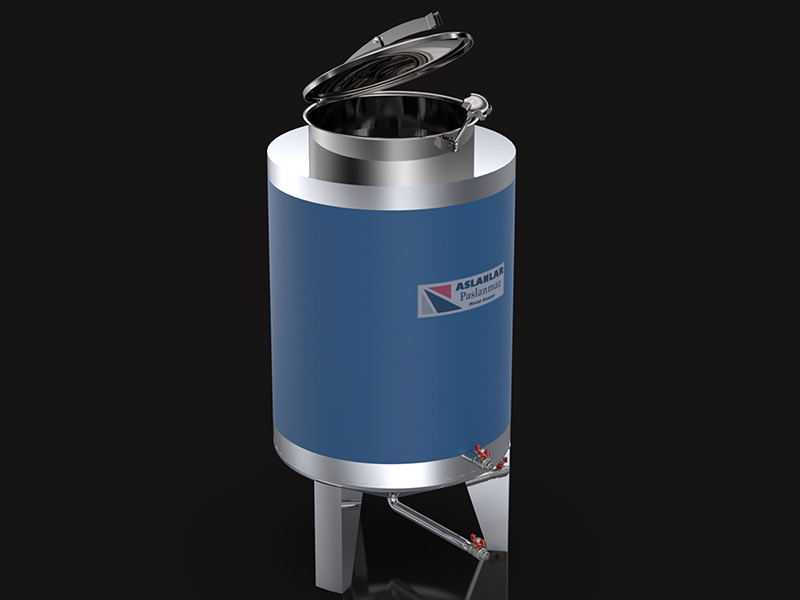
What is a Stainless Steel Oil Tank?
Stainless steel oil tanks are containers made of high-quality stainless steel, used for the safe and efficient storage of oils and liquids. These tanks are widely used, especially in the food, chemical, oil, and gas industries. The corrosion-resistant structure of stainless steel ensures that they are long-lasting and durable. These tanks are also preferred because they are hygienic and easy to maintain.
Advantages of Stainless Steel Oil Tanks
Stainless steel oil tanks have many advantages:
- Durability and Long Life: Stainless steel is much more durable than other materials. This ensures that the tanks are suitable for use for many years.
- Corrosion Resistance: Stainless steel is resistant to environmental factors such as rust and corrosion. This feature is particularly important in chemical and saline environments.
- Hygienic Structure: Stainless steel has a surface structure that does not allow the growth of bacteria and microbes. Therefore, it is widely used in the food and beverage industry.
Stainless Steel Types and Properties
Stainless steel tanks are usually made of two main types of stainless steel:
- 304 Stainless Steel: Commonly used in the food and beverage industry. It has good corrosion resistance and is relatively economical.
- 316 Stainless Steel: Offers higher corrosion resistance and is used in more demanding conditions such as chemical and marine applications.
Stainless Steel Oil Tank Applications
Stainless steel oil tanks are used in various industries:
- Food Industry: Hygienic storage of oils, vinegar, and other liquid food products.
- Chemical Industry: Safe storage and transportation of chemical substances.
- Agriculture and Livestock: Storage of animal feed and agricultural chemicals.
- Oil and Gas Sector: Storage of fuel and oils.
Stainless Steel Oil Tank Design Features
Stainless steel oil tanks have various design features:
- Shape Options: Available in cylindrical and rectangular shapes.
- Capacity and Volume Options: Offers different capacity and volume options according to need.
Stainless Steel Oil Tank Manufacturing Process
The manufacturing process of stainless steel oil tanks usually includes the following steps:
- Material Selection and Cutting: The appropriate type of stainless steel is selected and cut.
- Welding and Assembly: Parts are welded and assembled.
- Surface Treatment and Coating: The surface of the tank is smoothed and a protective coating is applied.
Maintenance of Stainless Steel Oil Tanks
Regular maintenance of stainless steel oil tanks is important to extend the life of the tank and maintain hygienic conditions:
- Cleaning Procedures: Should be cleaned regularly.
- Periodic Checks: The physical condition and fasteners of the tank should be checked regularly.
- Troubleshooting and Repair: Any damage or leakage should be repaired immediately.
Safety Standards of Stainless Steel Oil Tanks
Stainless steel oil tanks must comply with certain safety and quality standards:
- ISO and CE Certificates: Indicates that the tanks comply with international safety and quality standards.
- Safety Procedures: Specific procedures must be followed for the safe use of tanks.
Pricing of Stainless Steel Oil Tanks
The price of stainless steel oil tanks varies depending on various factors:
- Cost Factors: Material quality, tank size, and design affect the price.
- Obtaining a Quote: Customers can get a price quote according to their needs.
Stainless Steel Oil Tank Selection Criteria
There are some criteria to consider when choosing a stainless steel oil tank:
- Capacity Requirement: The appropriate capacity should be determined according to the area of use.
- Material Selection: The type of steel to be used should be selected according to the intended use of the tank.
Stainless Steel Oil Tank Installation and Setup Process
The installation and setup of stainless steel oil tanks should usually be done by professional teams:
- Installation Preparations: The suitability of the installation area is checked.
- Transportation and Placement: The tank is transported and placed safely.
Environmental Impacts and Stainless Steel Oil Tanks
Stainless steel oil tanks offer environmentally friendly and sustainable solutions:
- Recycling: Stainless steel is fully recyclable.
- Eco-Friendly Production: Methods that do not harm the environment are used in the production process.
Innovative Solutions for Stainless Steel Oil Tanks
Modern technologies make the use of stainless steel oil tanks more efficient:
- Smart Tank Systems: Can monitor data such as tank fill level and temperature.
- Automation Technologies: Allows tanks to be automatically filled and emptied.
Stainless Steel Oil Tank Manufacturers and Suppliers
There are some points to consider when choosing stainless steel oil tank suppliers:
- Prominent Companies: Prominent manufacturers in Turkey and worldwide.
- Supplier Selection: Choosing the most suitable supplier in terms of quality and price.
Things to Consider When Using Stainless Steel Oil Tanks
There are some points to consider when using stainless steel oil tanks:
- Filling and Emptying Procedures: Tanks should be filled and emptied correctly.
- Emergency Safety: Safety precautions should be taken for fire and other emergencies.