

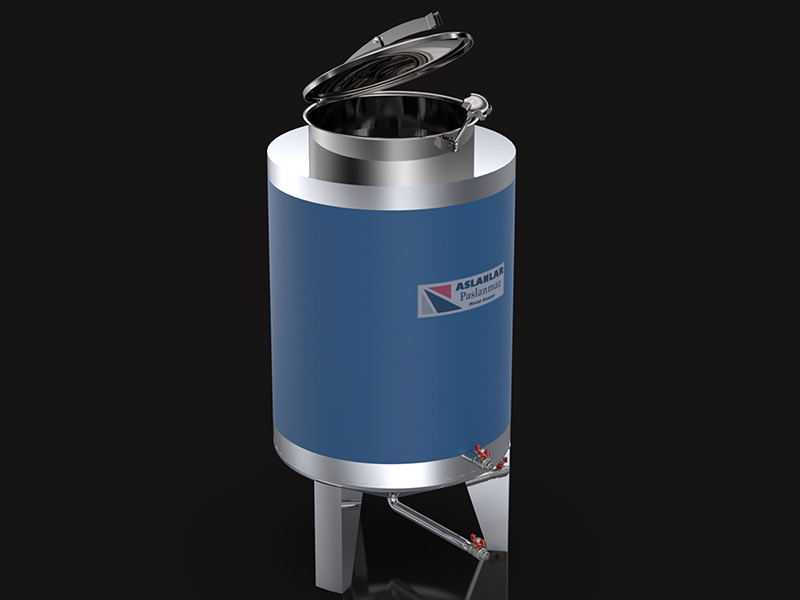
Stainless steel oil tanks are special storage containers that play an indispensable role in industrial processes and are often used in various industries. These tanks stand out with their corrosion resistance, hygienic properties, and long-lasting structure. In this article, we will examine in detail the importance, advantages, and usage areas of stainless steel oil tanks in the industry.
What is Stainless Steel?
Properties of Stainless Steel
Stainless steel is an alloy composed of iron, carbon, and chromium elements. The most distinctive feature of stainless steel is its high resistance to corrosion due to its chromium content. This material is also known for its durable, long-lasting, and maintenance-free structure.
Different Types of Stainless Steel
Stainless steel is divided into different types according to the ratios of its components and production processes. 304 and 316 type stainless steel are the most commonly used types in oil tanks. Type 316 is preferred in harsh conditions such as seawater and acidic environments due to its higher molybdenum content.
Structure of Stainless Steel Oil Tanks
General Structure of Tanks
Stainless steel oil tanks are usually designed in cylindrical or rectangular shapes. The inner surfaces must be smooth and hygienic to protect the quality of the oil. The outer surfaces are reinforced with additional protective coatings to increase durability.
Materials Used
The stainless steel used in these tanks offers high durability and corrosion resistance. At the same time, food-grade materials are used on the inner surfaces of the tanks to protect the quality of the oil.
Production Process
Stainless steel oil tanks require precise production processes. Materials are carefully selected, the shape and size of the tank are determined, and welding operations are carefully performed. At the end of the production process, the tanks undergo quality control tests.
Advantages of Stainless Steel Oil Tanks
Durability and Long Life
Stainless steel is extremely resistant to extreme temperatures, pressures, and chemicals. These features ensure that stainless steel oil tanks are long-lasting.
Corrosion Resistance
Stainless steel tanks are highly resistant to corrosion. In this way, the quality of the oil inside the tanks is preserved and the life of the tanks is extended.
Hygienic Properties
Stainless steel has a smooth surface that does not harbor bacteria and germs. For this reason, it is especially preferred in the food and pharmaceutical industries.
Industrial Applications
Usage in the Food Sector
Stainless steel oil tanks are used in the food sector for storing products such as vegetable oils, butter, and margarine. Its hygienic structure is of great importance in terms of food safety.
Usage in the Chemical and Pharmaceutical Sectors
In the chemical and pharmaceutical sectors, stainless steel tanks are ideal for the safe storage of chemicals and medicines. These tanks preserve the purity of chemicals and are resistant to external factors.
Usage in the Oil and Gas Industry
Stainless steel oil tanks are also widely used in the oil and gas industry. These tanks ensure the safe storage of petroleum products and minimize environmental risks.
Sizes and Capacity of Stainless Steel Oil Tanks
Different Size Options
Stainless steel oil tanks are produced in different sizes. Depending on the need, tanks with small storage capacities or large industrial tanks can be preferred.
Capacity Calculation
Tank capacity is determined according to the amount of oil to be stored. When calculating the capacity, the place where the tank will be used and the storage conditions should also be taken into consideration.
Maintenance and Cleaning
Maintenance of Stainless Steel Oil Tanks
Regular maintenance of stainless steel oil tanks extends the life of the tanks and preserves their functionality. During maintenance, the outer and inner surfaces of the tank are checked, cleaned and repaired if necessary.
Cleaning Methods
Cleaning of stainless steel tanks is done using special cleaners that do not damage the inner surface of the tank. In addition, sterilization processes also ensure that the tanks remain hygienic.
Safety Precautions
Measures to be Taken for Safe Usage
Certain precautions must be taken for the safe use of stainless steel oil tanks. During the installation of the tanks, proper placement and connections should be made, and during use, the pressure and temperature of the tank should be checked regularly.
Fire and Explosion Risks
Care should be taken against fire and explosion risks during the use of stainless steel oil tanks. For this reason, operations that may create fire or sparks should be avoided near the tanks.
Cost and Economic Benefits
Long-Term Cost Analysis
Stainless steel tanks may be costly at first. However, it provides cost advantages in the long term thanks to its durability and low maintenance requirements.
Energy Efficiency and Savings
Stainless steel oil tanks offer energy efficiency. Heat insulation and high durability provide energy savings and reduce operating costs.
Purchasing Stainless Steel Oil Tanks
Choosing the Right Tank
When purchasing a stainless steel oil tank, factors such as the area where the tank will be used, the type and amount of oil to be stored should be taken into consideration. In addition, the reliability of the tank manufacturer and the product warranty are also important.
Points to Consider
In the purchasing process, elements such as the production quality of the tank, the durability of the materials used, and the technical support services offered by the manufacturer should be carefully evaluated.
Environmental Impacts
Recycling and Environmentally Friendly Features
Stainless steel is a recyclable material. For this reason, stainless steel oil tanks are an environmentally friendly option and provide an advantage in terms of sustainability.
Reducing the Carbon Footprint
Stainless steel oil tanks produce less waste and minimize environmental impacts thanks to their long-lasting structures. This helps businesses reduce their carbon footprint.
The Future of Stainless Steel Oil Tanks
Technological Developments
Stainless steel oil tanks are developing further with technological developments. Especially smart sensors and automatic control systems increase the efficiency of the tanks.
Future Trends
In the future, more environmentally friendly and energy-efficient models of stainless steel oil tanks will be developed. In addition, sustainable production processes and the use of recyclable materials are expected to increase.
Stainless steel oil tanks are indispensable in industrial processes. Thanks to their advantages such as durability, hygiene, and corrosion resistance, they find a wide range of uses in different sectors. With its long-term cost advantage and environmentally friendly features, stainless steel oil tanks are an ideal storage solution for businesses.