

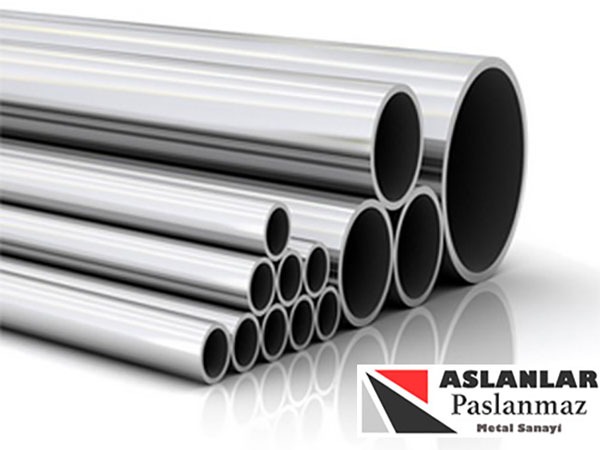
Stainless steel pipe, as the name suggests, are steel pipes that are resistant to rust. They owe this property to the chromium (Cr) element contained in the steel. Usually, steel contains 10-12% chromium, which prevents rust by forming a thin oxide layer on the surface. Stainless steel pipes are an indispensable material in many sectors thanks to their superior resistance to corrosion, high strength and aesthetic structure.
Stainless steel pipe has a wide range of uses, from the construction sector to the food and beverage industry. It is often preferred especially in places where high resistance to corrosion is required, in environments that may be exposed to chemicals and high temperatures.
History of Stainless Steel Pipe
Stainless steel was developed in the early 20th century and has since rapidly found widespread use in various sectors. First discovered in 1913 by British metallurgist Harry Brearley, stainless steel was obtained by adding chromium to steel. Brearley noticed the corrosion resistance of this steel and predicted that this new material could be used especially in kitchenware.
Over time, with the introduction of stainless steel into more industrial applications, stainless steel pipes were also included in production. These materials, produced in pipe form, have become indispensable especially in places where liquids need to be transported and high resistance to corrosion is required.
Types of Stainless Steel Pipe
Stainless steel pipes are divided into two main groups according to their production techniques and intended use:
- Seamless Stainless Steel Pipes: These pipes are produced continuously by hot or cold rolling processes. Thanks to the seamless production method, the pipes are more resistant to high pressure and heat.
- Welded Stainless Steel Pipes: It is produced by rolling and welding flat stainless steel sheets. It is generally lower cost and suitable for low and medium pressure applications.
In addition, stainless steel pipes of various diameters and thicknesses are produced according to the place of use and standards. For example, pipes used in the food industry are produced in accordance with hygiene standards, while pipes used in the chemical industry are produced according to chemical resistance properties.
Properties of Stainless Steel
The main feature of stainless steel pipes is their corrosion resistance. Stainless steel is resistant to external influences thanks to the thin oxide layer on its surface, thus preventing the pipes from rusting. In addition, with its properties such as high temperature resistance, long life and mechanical strength, stainless steel pipes are a much more durable option compared to other materials.
Another important feature of stainless steel pipes is their aesthetic appearance. Thanks to their bright and clean surfaces, they are often preferred, especially in decorative applications and visible areas.
Stainless Steel Pipe Production Process
The production of stainless steel pipes consists of different steps depending on the production technique used. Seamless pipe production begins with shaping the steel by rolling it at high temperatures. This process ensures that stronger and more durable pipes are obtained because it does not leave a seam or weld mark on the surface of the pipe.
In welded pipe production, stainless steel sheets are rolled and the two edges are joined by welding. The welding process is usually carried out with precise techniques such as laser or TIG (Tungsten Inert Gas) welding.
Quality control processes are meticulously applied at every stage of production and compliance with international standards is ensured.
Advantages of Stainless Steel Pipe
Stainless steel pipes are preferred in many areas due to the advantages they provide. The most important of these are:
- Corrosion Resistance: The most well-known advantage of stainless steel pipes is their superior resistance to rust. This provides a great advantage, especially in systems operating in water, chemicals or other corrosive environments. The chromium oxide layer formed on the steel surface prevents the pipe from reacting with oxygen and rusting.
- Aesthetic Appearance: The bright and smooth surface of stainless steel provides an aesthetic appearance in both industrial and decorative applications. Therefore, it is often preferred in interior and exterior decoration.
- Durability: Stainless steel pipes are much more durable and long-lasting than other pipe materials. They can withstand high temperatures and pressures, which makes them more reliable in industrial applications.
- Low Maintenance Cost: The durable structure of stainless steel pipes requires minimal maintenance for many years. This provides a significant cost advantage for businesses. Low maintenance also helps reduce operational interruptions.
- Environmentally Friendly: Stainless steel pipes are 100% recyclable. Since it is an environmentally friendly material, it does not experience any loss of quality during the recycling process and is ideal for sustainable production.
- Hygienic Properties: The smooth surface of stainless steel makes it difficult for bacteria and other microorganisms to adhere to it. This is ideal for hygienic applications in the food, pharmaceutical and chemical industries. Stainless steel pipes used in food processing facilities and the healthcare industry comply with high hygiene standards.
Stainless Steel Pipe Quality Standards
There are various internationally accepted quality standards in stainless steel pipe production. These standards are necessary to ensure the durability, reliability and suitability of the pipes. Commonly used standards are:
- ASTM (American Society for Testing and Materials): It is a standard accepted in the USA and defines the mechanical and chemical properties of stainless steel pipes.
- DIN (Deutsches Institut für Normung): It is a standard originating from Germany and is widely used especially in Europe.
- EN (European Norms): Determines the stainless steel pipe standards used in European Union countries.
- ISO (International Organization for Standardization): Provides internationally accepted quality and safety standards.
Each sector selects products that comply with these standards according to the material properties required for a specific application. Tests performed during the production of stainless steel pipes verify whether the products comply with these standards.
Stainless Steel Pipe Installation
There are a few important factors to consider when installing stainless steel pipes. Correct installation ensures that the system operates efficiently and safely.
- Connection Methods: Methods such as welding, flanged connection or threaded connection are used in the installation of stainless steel pipes. Each method has its own advantages and disadvantages. For example, welded connections are more suitable for high pressure applications, while flanged connections allow easy disassembly and assembly.
- Installation Equipment: The equipment used during installation must be suitable for the properties of the pipes. In particular, materials that will not damage the stainless steel or scratch its surface should be selected.
- Sealing Measures: The gaskets and materials used for sealing during installation ensure the efficiency and safety of the system. The materials used in stainless steel pipe installation must be suitable for the operating conditions of the pipe.
- Points to Consider: Cleaning processes performed before and after installation are important in terms of cleaning dirt and foreign matter on the stainless steel surface. This process contributes to the long life of the pipe and the efficient operation of the system.
Stainless Steel Pipe and Environmentally Friendly Production
The main reason why stainless steel is an environmentally friendly material is that it is 100% recyclable. Recycling the materials used during the production phase both reduces the environmental footprint and makes an important contribution in terms of sustainability. Stainless steel pipes can be recycled and reused even after their service life has expired.
- Energy Efficiency: Stainless steel pipes are used in systems that provide high energy efficiency. For example, they minimize energy losses in water and gas transportation systems.
- Carbon Footprint: Modern technologies are used to minimize the carbon footprint during the production and use of stainless steel. This contributes to a more environmentally friendly production process.
Stainless Steel Pipe Prices
Stainless steel pipe prices vary depending on various factors. These factors include:
- Material Quality: The ratio of chromium and nickel in the stainless steel alloy affects the price of the pipe. Higher quality means higher price.
- Pipe Diameter and Length: Larger diameter and longer pipes are more expensive depending on the amount of material used.
- Production Method: Seamless stainless steel pipes are generally more expensive than welded pipes because they require a more complex production process.
- Market Conditions: Stainless steel prices fluctuate depending on supply and demand in the world market. At the same time, changes in raw material prices are also reflected in pipe prices.
Comparison of Stainless Steel Pipe with Other Materials
Stainless steel pipes offer superior properties when compared to many alternative pipe materials:
- Carbon Steel Pipes: Carbon steel pipes are lower in cost than stainless steel pipes. However, their corrosion resistance is low and they have a shorter life. Stainless steel pipes are much more durable and efficient, especially in places exposed to corrosion.
- Plastic Pipes: Plastic pipes may be lightweight and cheap, but they cannot compete with stainless steel pipes in terms of high temperature and pressure resistance. In addition, plastic pipes lag behind stainless steel in terms of chemical resistance.
Stainless Steel Pipe Supply Chain
Stainless steel pipes are produced by many manufacturers worldwide and supplied to consumers. In the process from production to end user, quality control and logistics are of great importance. Local suppliers generally offer faster delivery and lower logistics costs, but international suppliers offer a wide range of products.
Things to Consider When Choosing Stainless Steel Pipe
There are many factors to consider when choosing stainless steel pipe:
- Application Area: The type of steel suitable for the requirements of the place where the pipe will be used should be selected. For example, in an environment requiring chemical resistance, stainless steel pipes with higher alloy ratios should be preferred.
- Pipe Diameter and Thickness: The amount and pressure of the liquid or gas to be transported are the basic elements that determine the pipe diameter and thickness.
- Mechanical and Chemical Requirements: A pipe with suitable properties should be selected, taking into account the operating temperature, pressure and chemicals that the pipe will be exposed to.
The future of stainless steel will be shaped by the development of new technologies and the increase in sustainable production methods. Investments made especially in energy efficiency and environmental sustainability will ensure that stainless steel pipes find more usage areas. High-performance alloys and lower-cost production techniques will allow the stainless steel pipe industry to grow even further in the future.