

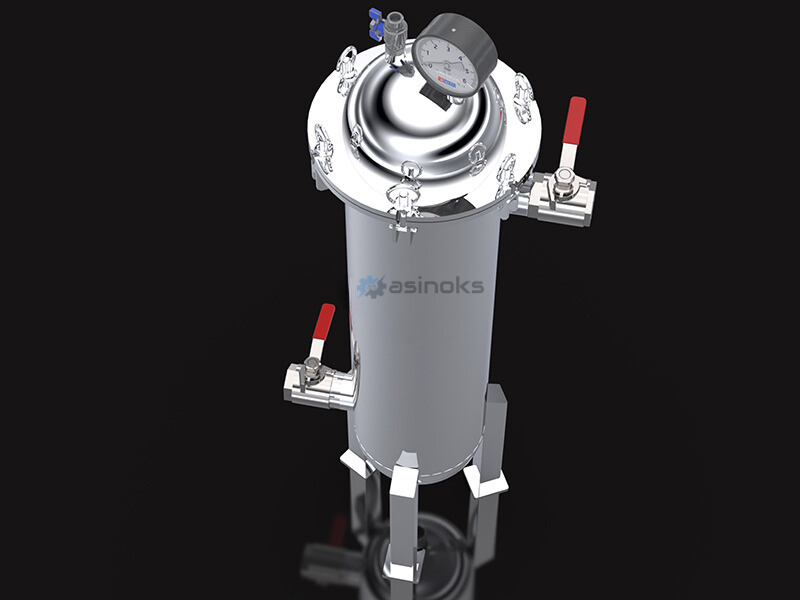
The Importance of Stainless Steel Filters in Industry
The efficient operation of machinery and systems used in industries often depends on filtration systems. Stainless steel filters are indispensable in many sectors due to their durability, long life, and wide range of applications. This article will examine many details, from the definition of stainless steel filters to their advantages.
What is Stainless Steel?
Stainless steel contains iron and carbon, as well as alloys such as chromium and nickel. These alloys ensure that the material is resistant to oxidation and corrosion.
Key Features of Stainless Steel
Stainless steel is known for its corrosion resistance, high strength, and aesthetic appearance. It is preferred in many industries, especially because it is resistant to chemical reactions. In addition, being a material that can withstand high temperatures and pressures is one of the most important advantages of stainless steel.
Industrial Uses and Advantages
The durability and stainless structure of stainless steel make it an ideal material in sectors such as chemistry, food, pharmaceuticals, and water treatment. At the same time, thanks to its hygienic structure, it is also widely used in the food and beverage industry.
What are Stainless Steel Filters?
Stainless steel filters are systems used to purify a specific liquid or gas from unwanted particles. Thanks to their durable structure, these filters play an important role in various industries.
Definition and Function
A filter ensures that a cleaned product is obtained by holding foreign substances in the fluid. Stainless steel filters offer high efficiency in filtering processes and can operate smoothly for a long time.
Purpose of Use and Filtering Principles
Stainless steel filters are generally used to filter liquids and gases. Thanks to their porous structure, they retain large particles while allowing liquids or gases to pass through. In this way, both industrial processes and product quality are guaranteed.
Types of Stainless Steel Filters
There are various types of stainless steel filters, each designed to meet different industrial needs.
Wire Mesh Filters
These filters are formed by combining fine wire meshes. It is widely used especially in water treatment and chemical processes.
Plate Filters
Plate filters allow a large amount of liquid to be filtered in a short time by providing a large surface area. They are frequently preferred in the chemical and food industries.
Cartridge Filters
Cartridge filters are suitable for processes that require more sensitive filtration. They are especially used in the pharmaceutical and beverage industries.
Areas of Use of Stainless Steel Filters in Industry
Stainless steel filters play a vital role in many different industries.
Food and Beverage Industry
Stainless steel filters are preferred in food and beverage production due to their hygienic nature. Filtration systems used in milk, fruit juice and beer production are an important factor in increasing product quality.
Chemical industry
In the chemical industry, stainless steel filters used to maintain the purity of chemicals prevent harmful or unwanted particles from mixing into the products.
Oil and Gas Industry
In this industry, filters are generally used in drilling and refining processes. The robust structure of stainless steel filters ensures that they can withstand high temperatures and pressures.
Water Treatment and Environmental Engineering
Stainless steel filters used in water treatment plants purify water from unwanted solid particles, providing clean and safe water.
Advantages of Stainless Steel Filters
The many advantages of stainless steel filters make them superior to other filtration systems.
Durability
Stainless steel is known for its high durability. This ensures that the filter operates effectively for a long time.
Resistance to Rust
Stainless steel, as the name suggests, is extremely resistant to rust. This feature provides a significant advantage, especially in humid and aggressive environments.
High Temperature and Pressure Resistance
Stainless steel filters maintain their structural integrity even under high temperatures and pressures. This makes them suitable for use in challenging conditions.
Long-lasting Use
Stainless steel filters, which have a longer lifespan compared to other filter types, provide cost savings in the long run.
Production Processes of Stainless Steel Filters
Stainless steel filters are produced with advanced production techniques, and this process directly affects the quality and durability of the filter.
Material Selection and Production Techniques
The quality of steel used in the production of stainless steel filters is of great importance. Generally, 304 or 316 grade stainless steel is preferred because these materials are resistant to both chemicals and extreme temperatures. Production techniques include cutting, bending, welding and drilling processes. The pore sizes of the filter are determined according to the filtration sensitivity.
Quality Control and Testing Processes
Strict quality control tests are carried out after production to ensure the effectiveness of stainless steel filters. Properties such as pressure resistance, filtration sensitivity, and resistance to rust are tested. Checking compliance with ISO and other international standards increases the reliability of the filter.
Comparison with Other Filter Types
Stainless steel filters offer various advantages and disadvantages when compared to other filtration systems available on the market.
Plastic Filters
Although plastic filters are generally cheaper and lighter, they are not as durable as stainless steel filters. Their resistance to chemicals may be low and they may show deformation in long-term use. In addition, their performance may decrease under high temperature or pressure.
Fabric Filters
Although fabric filters are effective in filtering fine particles, they may not withstand extreme mechanical stress. Stainless steel filters have both the capacity to filter fine particles and demonstrate physical durability.
Ceramic Filters
Ceramic filters are frequently used in water treatment systems. Although they have high temperature resistance, they are not as flexible and durable as stainless steel. Ceramic filters are prone to breakage, while stainless steel filters are more durable and resistant to difficult conditions.
Care and Cleaning of Stainless Steel Filters
Stainless steel filters can operate smoothly for years with proper care and cleaning. This also ensures that the filter operates at maximum performance.
Cleaning Methods
Stainless steel filters can be cleaned by different methods. One of the most common cleaning methods is washing with chemical solvents or detergents. Filters used especially in the chemical industry should be frequently cleaned of chemical residues. Another method is ultrasonic cleaning. This method is particularly effective in cleaning filters with small pores.
Maintenance Frequency and Ways to Increase Performance
Filter maintenance varies depending on the industry used and the frequency of filtering. In general, regular cleaning and maintenance extends the life of the filter and increases its performance. Stainless steel filters are more advantageous than other filter types due to their low maintenance requirements.
Recycling of Stainless Steel Filters
Stainless steel is an environmentally friendly material and is easy to recycle. When the service life of the filters expires, recycling processes come into play.
Environmental effects
Stainless steel is a 100% recyclable material. This helps reduce industrial waste. Stainless steel filters that have reached the end of their service life are melted down and converted into reusable materials.
Reuse and Recycling Methods
Stainless steel filters are collected in industrial recycling centers and subjected to various metal processing processes. In this process, steel is melted and used in new products. In addition, in some cases, filters are repaired and made reusable.
Cost Effectiveness of Stainless Steel Filters
Although the initial cost is higher than other filtration systems, stainless steel filters are a cost-effective solution in the long run.
Initial Investment Costs
Stainless steel filters may be more expensive in the initial investment due to high production costs. However, this cost is amortized over time thanks to the long life and durability of the filter.
Long-Term Savings
The long life and low maintenance requirements of stainless steel filters provide savings in the long run. Plastic or fabric filters may be more expensive in the long run as they need to be replaced frequently.
Cost-Performance Comparison
Stainless steel filters offer a high cost-performance ratio, especially in long-term projects. The initial investment cost may be higher compared to other materials, but when the filtering capacity, durability and low maintenance costs are taken into account, it is an economical solution in the long run.
Safety Standards of Stainless Steel Filters
Stainless steel filters are manufactured in accordance with international safety and hygiene standards.
ISO and Other International Standards
Stainless steel filters are generally manufactured in accordance with international quality and environmental management systems such as ISO 9001, ISO 14001. In addition, filters used in the food and beverage industry must also comply with food safety standards (e.g. FDA approval).
Compliance with Hygiene and Safety Norms
Stainless steel filters used in sectors where hygiene is at the forefront, such as food, pharmaceuticals and water treatment, prevent the accumulation of microorganisms thanks to their hygienic designs. This increases both product quality and user safety.
Customizability of Stainless Steel Filters
Stainless steel filters can be customized according to the needs of different sectors. This flexibility allows filters to be used in various industries.
Special Design Solutions for Different Sectors
Each of the sectors such as chemistry, food, pharmaceuticals and water treatment has different filtration needs. Stainless steel filters can be specially designed according to these needs. For example, thicker steel materials can be used for an application requiring high temperature resistance.
Modifications According to Customer Needs
Stainless steel filters can be produced in different sizes, shapes or pore diameters in line with customer requests. This flexibility allows the filter to fully adapt to specific industrial processes.
Future Trends in Stainless Steel Filters
With the advancement of technology, stainless steel filters keep up with innovations and are equipped with more advanced technologies in the future.
Smart Filtering Systems
With Industry 4.0, stainless steel filters can also be integrated into automation systems. Filters equipped with smart sensors can offer features such as self-cleaning or warning in case of clogging.
Compliance with Advanced Materials and Technologies
In the future, more efficient filtering of finer particles may be possible by combining stainless steel filters with nano-technology and advanced materials. In addition, improvements in the pore structure of the filters can offer important developments towards providing more efficient filtration.
Things to Consider When Choosing Stainless Steel Filters
The selection of stainless steel filters should be made according to the requirements of the industrial application.
Choosing the Right Filter for Your Needs
The most important criterion for the filtration process is the requirements of the application. The correct filter should be selected by taking into account factors such as the type of liquid or gas, pressure, temperature and particle size.
Filtration Capacity and Efficiency
The filtering capacity and efficiency of the filter is important for the continuity of industrial processes. Production may stop or product quality may decrease when the filtration capacity is insufficient. Therefore, it is a critical factor that the filter has sufficient capacity.
The Contribution of Stainless Steel Filters to the Industry
Stainless steel filters play an important role in the industry with their durability, long life, high performance and environmentally friendly features. These filters, which are of critical importance especially in sectors such as chemistry, food, beverage, water treatment and environmental engineering, support quality product production and environmentally sensitive production processes.