

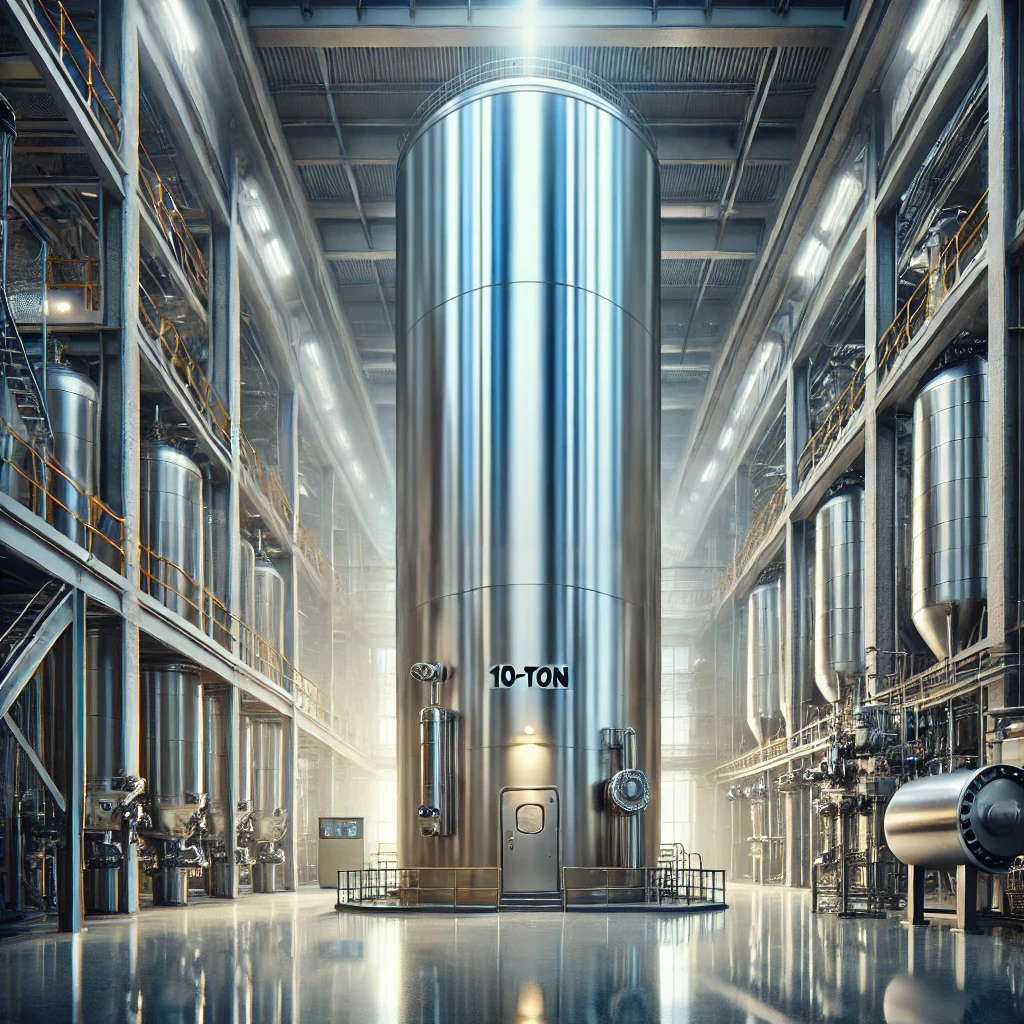
What is a Stainless Steel Tank?
What is a Stainless Steel Tank?
Stainless steel tanks are durable tanks used for the safe storage of liquid and chemical substances, especially in industrial and commercial areas. These tanks are made of stainless steel material, which is extremely resistant to rust and corrosion. They are known for their robust structure, long life and hygienic properties.
Stainless Steel Tank Definition
Stainless steel is a material obtained by adding chromium to an iron and steel alloy, providing high resistance to rust. Stainless steel tanks are made of this special steel and allow liquid or solid substances they contain to be stored safely and hygienically.
Stainless steel is a metal alloy containing at least 10.5% chromium, which protects itself against rust and corrosion by forming a self-protective oxide layer. This feature increases the durability of stainless steel tanks and makes them ideal for many industrial and household applications.
Types of Stainless Steel Tanks
Stainless steel tanks can be classified according to different usage areas and features. Industrial stainless steel tanks are large capacity tanks used in heavy industries such as the chemical and petroleum industries. Household stainless steel tanks are smaller tanks generally used for water storage. In addition, water storage tanks are used in agriculture and water treatment plants, while chemical storage tanks are specially designed for the safe storage and transportation of chemical substances.
Materials Used in the Construction of Stainless Steel Tanks
The types of steel used in the production of stainless steel tanks are the most important factors determining the durability and corrosion resistance of the tank. 304 stainless steel is one of the most commonly used steel types and is generally preferred in applications that come into contact with food. 316 stainless steel, on the other hand, shows more resistance in seawater and chemical environments and has higher corrosion resistance.
Advantages of Stainless Steel Tanks
Stainless steel tanks offer many advantages. They are more preferred than other materials thanks to their properties such as corrosion resistance, durability and long life. The chromium content of stainless steel prevents rust and corrosion, ensuring that the tanks last a long time. Thanks to their steel structures, they are extremely resistant to mechanical damage and external influences. At the same time, they are very easy to clean and maintain thanks to their smooth surfaces, which provides a great advantage in areas where hygiene is important.
Disadvantages of Stainless Steel Tanks
Although they offer many advantages, stainless steel tanks also have some disadvantages. Stainless steel is more expensive than other materials, which increases the production costs of the tanks. In addition, stainless steel tanks can be quite heavy and difficult to transport and install.
Usage Areas of Stainless Steel Tanks
The usage areas of stainless steel tanks are quite wide and they play an important role in various industries. In the food and beverage industry, it is used for storing and processing milk, fruit juice, beer and other liquid foods in hygienic conditions. In the chemical industry, it ensures the safe storage of chemicals and acids. It offers clean and healthy water storage solutions in water treatment systems. It is also used in the mixing and storage of sensitive components in pharmaceutical production.
Stainless Steel Tank Production Process
The production of stainless steel tanks goes through various stages and requires high quality standards. The production process starts with the design phase of the tank. Dimensions and features suitable for the intended use are determined. Then, the tank is manufactured using techniques such as welding, rolling and surface treatments. The durability and leak-proof properties of the manufactured tanks are tested.
Maintenance and Cleaning of Stainless Steel Tanks
Regular maintenance and cleaning are necessary for stainless steel tanks to operate properly and have a long life. The inner and outer surfaces of the tank should be checked and cleaned regularly. It should be cleaned with special stainless steel cleaners and hygienic methods. The hygienic nature of the tank is of great importance, especially in the food and pharmaceutical industries.
Things to Consider When Choosing Stainless Steel Tanks
There are some factors to consider when purchasing a stainless steel tank. It is important to choose a capacity suitable for your storage needs, consider the characteristics of the location where the tank will be installed, and pay attention to the material quality. Attention should be paid to the steel quality and long-lasting products should be preferred.
Environmental and Economic Impacts of Stainless Steel Tanks
Stainless steel tanks offer sustainable and environmentally friendly solutions. Stainless steel is recyclable and protects natural resources. Old tanks can be recycled to produce new products, which reduces their impact on the environment.
Stainless Steel Tank Pricing
The price of stainless steel tanks varies depending on various factors. Factors such as material quality, production process and size directly affect prices. However, in the long term, the durability and long-lasting structure of stainless steel tanks offset investment costs and offer an economical solution.
Comparison of Stainless Steel Tanks with Other Storage Solutions
Stainless steel tanks offer many advantages when compared to other storage solutions. They are more durable and hygienic than plastic tanks, and have longer life and recyclable properties than concrete tanks. With developing technology, the production processes of stainless steel tanks are also changing and more durable and light tanks are being produced.
The Future of Stainless Steel Tanks and Technological Developments
As technology develops, the production processes of stainless steel tanks are also changing. Thanks to new production techniques, more durable and light tanks can be produced. In addition, with IoT-based solutions, stainless steel tanks can be monitored remotely and integrated with smart storage systems.
The Situation of Stainless Steel Tanks in Turkey
Stainless steel tanks are increasingly used in Turkey. There are domestic manufacturing companies in Turkey, and demand for imported products is also increasing. Stainless steel tanks are widely preferred, especially in the industrial and agricultural sectors.
For More Detailed Information, You Can Review Our Products!