

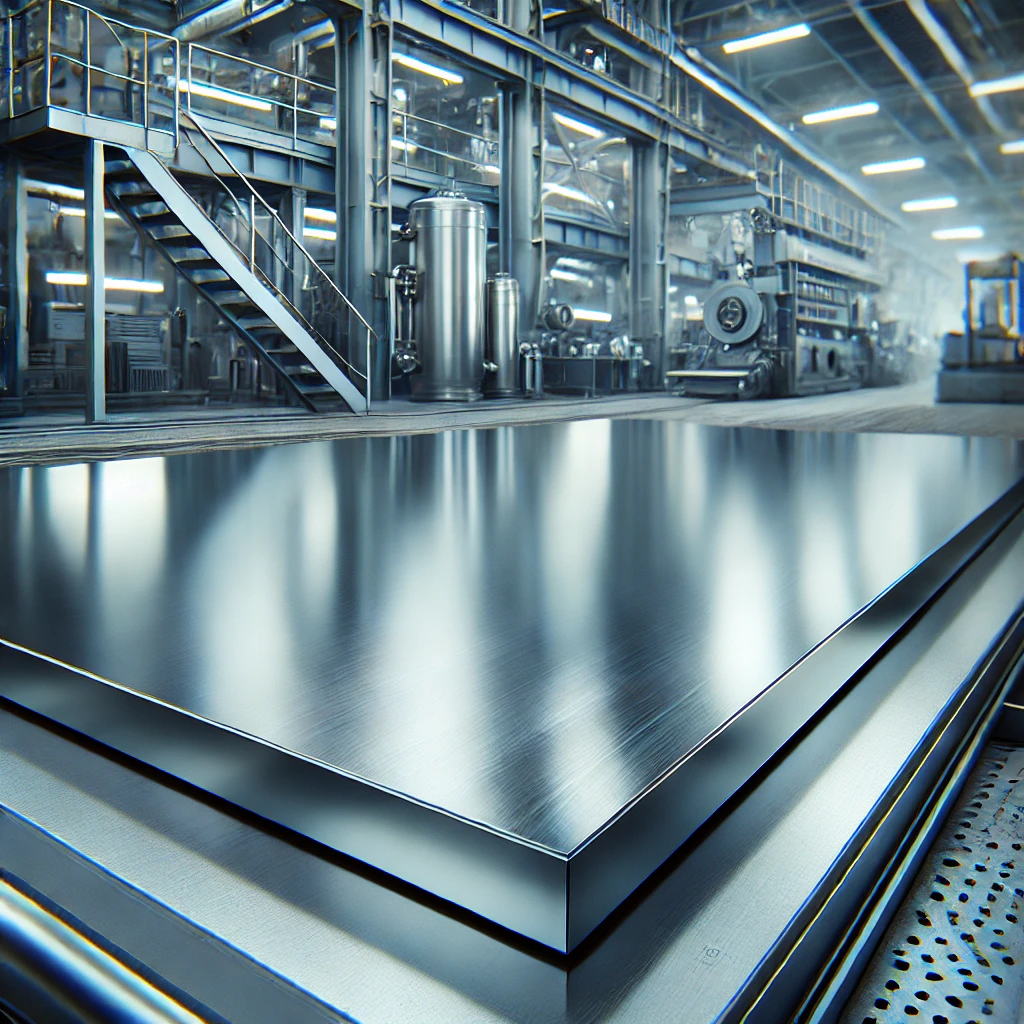
What is Stainless Steel 304 Grade Sheet?
Stainless steel is an alloy composed of iron, chromium, and other metals, and it exhibits high resistance to corrosion. There are various grades and types of stainless steel, one of which is known as 304 grade stainless steel sheet. In this article, we will examine in detail what 304 grade stainless steel sheet is, its properties, advantages, and usage areas.
What is Stainless Steel?
Stainless steel is a high-strength, durable, and corrosion-resistant material. This alloy contains elements such as chromium, nickel, and sometimes molybdenum, in addition to iron. Thanks to the chromium it contains, it prevents rusting by forming a protective oxide layer on the surface.
Types of Stainless Steel
Stainless steel is divided into different classes according to its components and properties. Common stainless steel types include grades such as 304, 316, 430, and 201. Each class has its own unique properties and usage areas.
What is 304 Grade Stainless Steel?
304 grade stainless steel is one of the most widely used types of stainless steel. It offers good corrosion resistance, excellent formability, and weldability. Known for its 18 percent chromium and 8 percent nickel content, this steel type is often preferred for kitchenware, industrial equipment, and construction materials.
Chemical Composition of 304 Grade Stainless Steel Sheet
304 grade stainless steel sheet is characterized by an approximate content of 18% chromium and 8% nickel. It also contains low amounts of carbon, manganese, silicon, and nitrogen. These components provide the steel’s high strength and corrosion resistance properties.
Physical Properties of 304 Grade Stainless Steel Sheet
This steel type has excellent mechanical properties. Thanks to its high durability and flexibility, it can be easily converted into various shapes and sizes. Its resistance to heat is quite high, making it suitable for high-temperature applications.
Usage Areas of 304 Grade Stainless Steel Sheet
- Food and Beverage Industry: Used in kitchen equipment and food processing machines due to its hygienic structure and corrosion resistance.
- Construction and Engineering: Widely preferred in building structures, roofing, and facade cladding.
- Automotive and Transportation: Used in vehicle parts, exhaust systems, and decorative elements.
Advantages of 304 Grade Stainless Steel Sheet
- Corrosion Resistance: Highly resistant to seawater and chemicals.
- Strength and Durability: Retains its form even at high temperatures.
- Aesthetic Appearance: Provides a bright and modern look, therefore it is also preferred for decorative purposes.
Differences Between 304 Grade Stainless Steel and 316 Grade Stainless Steel
While 304 grade stainless steel is more economical and common, 316 grade stainless steel has superior corrosion resistance with its higher nickel and molybdenum content. 316 grade is particularly used in aggressive environments such as seawater.
Maintenance and Cleaning of 304 Grade Stainless Steel Sheet
Cleaning and maintenance of stainless steel sheet is quite easy. It is sufficient to clean it with a soft cloth and a mild detergent. Regular maintenance should be done to maintain its brightness.
Prices and Market Situation of Stainless Steel 304 Grade Sheet
Prices vary depending on raw material costs, the production process, and market demand. Steel prices are also affected by general economic conditions and sector needs.
Production Process of 304 Grade Stainless Steel Sheet
- Melting and Alloying: During steel production, elements such as iron and chromium are melted to form an alloy.
- Rolling and Heat Treatment: Steel is rolled into sheets of various thicknesses and given the desired mechanical properties.
Details of the Production Process of 304 Grade Stainless Steel Sheet
Melting and Alloying Process
Stainless steel production begins with melting the steel and adding different elements into it. In this process, metals such as chromium, nickel, and iron are mixed in certain proportions. The melting process is usually carried out in electric arc furnaces, and this process is very important to increase the purity and quality of the steel.
Rolling and Heat Treatment Applications
The rolling process is used to shape steel sheets to the desired thickness. At this stage, the steel sheets are shaped under high pressure. Heat treatment, on the other hand, is applied to optimize the steel’s durability and mechanical properties. Thanks to heat treatment, the steel becomes more resistant to high temperature and pressure.
304 Grade Stainless Steel Sheet Purchasing Guide
Choosing the Right Supplier
When purchasing stainless steel sheet, it is very important to choose a supplier that offers reliable and high-quality products. When choosing a supplier, the company’s history, product diversity, delivery times, and customer references should be taken into consideration. Reliable suppliers generally manufacture in accordance with international quality standards and offer certified products.
Understanding Quality Standards
When purchasing 304 grade stainless steel sheet, attention should be paid to whether the material complies with quality standards. Compliance of products with international quality standards (e.g., ASTM, ISO) is important in terms of durability and performance in the area of use.
304 grade stainless steel sheet is used in many industrial and commercial applications thanks to its versatile properties, high strength, and corrosion resistance. This steel type has superior properties both aesthetically and technically and is widely preferred in construction, automotive, food, and many different sectors.
The most important point to be considered when using stainless steel products is to choose the right quality and the appropriate supplier. A 304 grade stainless steel sheet that is manufactured in accordance with quality standards and regularly maintained will perform smoothly for many years.