

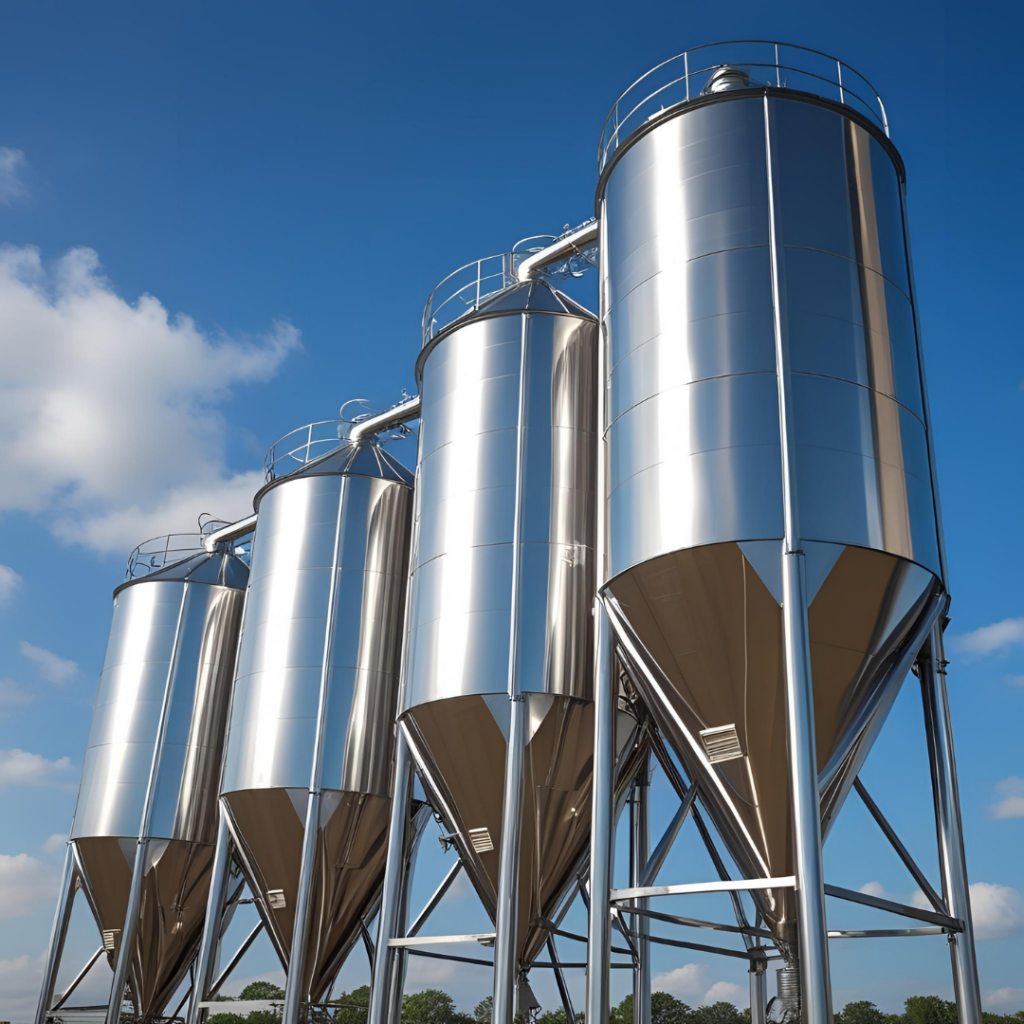
In this section, we will discuss the quality control processes applied to guarantee the quality of stainless steel tanks and why these processes are so critical. We will also examine in detail how quality control is carried out at every stage, from the production to the assembly of stainless steel tanks, and according to which standards these controls are performed.
The question of how you guarantee quality in stainless steel tanks is an extremely important issue, especially for businesses engaged in industrial production. Quality control processes not only ensure that products are manufactured safely and efficiently, but also increase customer satisfaction, ensure compliance with legal requirements, and help businesses gain a competitive advantage in the long term.
Key Factors Affecting Quality in Stainless Steel Tanks
The quality of stainless steel tanks depends on several main factors. Attention to the production process, the quality of the materials used, assembly techniques, and performance testing of the finished product ensure that the tanks are long-lasting, durable, and safe. Quality control processes are rigorously applied, taking all of these factors into account.
Material Quality: Choosing the Right Alloy
The durability and longevity of stainless steel tanks are directly dependent on the quality of the material used. Therefore, one of the most critical stages of the production process is the selection of the steel alloy used. 304 grade and 316 grade stainless steel are the two most commonly used alloys. Both alloys cater to different application areas and each offers certain advantages.
- 304 Stainless Steel: Commonly preferred in environments with low corrosion risk, such as food and beverage, drinking water storage. This grade of stainless steel contains 18% chromium and 8% nickel, which increases the material’s resistance to corrosion and makes it easy to shape
- 316 Stainless Steel: This alloy, which is preferred in the chemical and pharmaceutical industries, in environments exposed to seawater, or in processes where highly corrosive chemicals are used, contains molybdenum. This allows the material to exhibit higher resistance to corrosion and abrasion. Especially in businesses working with acidic and basic solutions, 316 grade steel tanks provide long-lasting use
The correct selection of these two alloys greatly affects the tank’s service life and performance. Quality control processes focus on ensuring the correct material selection and that this material is processed appropriately during the production process.
Weld Quality and Assembly Techniques
The welding techniques used in the production of stainless steel tanks directly affect the overall structural integrity of the tank. Automatic TIG (Tungsten Inert Gas) welding is one of the most commonly used welding methods for stainless steel. This welding method provides high precision and control, which means a smooth appearance and a solid connection on the inside and outside surfaces of the tank.
Weld quality is not only critical for increasing the tank’s durability, but also for sealing and hygiene. Especially in tanks used in food and pharmaceutical production, the smooth and seamless nature of the weld seams ensures that the tank is easy to clean and prevents bacterial growth. In addition, the use of correct welding techniques reduces the risk of corrosion and extends the life of the tank.
During the assembly phase, quality control is performed on each connection and weld. Advanced inspection methods such as ultrasonic tests or radiographic tests allow defects in the weld seams to be detected. These types of tests are critical, especially for tanks operating under high pressure.
Surface Treatment and Polishing
Proper treatment of the inner and outer surfaces of stainless steel tanks increases the tank’s hygienic properties and resistance to corrosion. In tanks used in the food and pharmaceutical industries in particular, polishing and passivation of the inner surfaces enhances the hygienic properties of the material.
- Passivation: Treating stainless steel surfaces with passivation strengthens the protective oxide layer on the steel. This process strengthens the stainless steel’s natural protection mechanism against corrosion and helps remove free iron residues on the surface
- Polishing: The inner surfaces of the tanks are polished to meet hygienic standards. Smooth and polished surfaces prevent the growth of microorganisms and facilitate cleaning operations. Thanks to these features, tanks used in food and beverage production ensure the safe processing and storage of food products
Leak Tests and Pressure Inspections
One of the most important steps in guaranteeing the quality of stainless steel tanks is to subject the tanks to leak and pressure tests. These tests are performed to evaluate how the tanks perform both under internal pressure and when in contact with chemical substances.
- Hydrostatic Tests: The tanks are filled with water or another liquid above the maximum working pressure and checked for any leaks for a specified period of time. This test guarantees the structural integrity and leak-tightness of the tank
- Pneumatic Tests: This test, which is performed using air pressure, is used to check the leak-tightness of tanks that operate under high pressure in particular. During these tests, the seams and connection points of the tank are carefully inspected
Both types of tests ensure that the tank operates safely and prevents the materials it contains from leaking out. As a result of these tests, the tanks are certified to comply with legal regulations and industry standards.
Quality Control Processes According to International Standards
In order to guarantee the quality of stainless steel tanks, it is mandatory to comply with international quality standards during the production process. These standards provide specific criteria regarding the safety, durability, and hygienic properties of the tanks.
ASME Standards
ASME (American Society of Mechanical Engineers) offers a set of standards for pressure vessels and tanks that are accepted worldwide. These standards include requirements regarding the design, manufacture, testing, and certification of tanks. A tank with ASME certification is a product that has been recognized and tested worldwide for safety and performance
- ASME Section VIII: This section contains the standards used in the design and manufacture of pressure vessels. Compliance with ASME standards is of great importance in terms of safety and durability, especially for tanks operating under high pressure.
ISO 9001 Quality Management System
ISO 9001 is the world’s most widely accepted standard for quality management systems. By complying with this standard, stainless steel tank manufacturers aim to ensure continuous improvement and customer satisfaction in their production processes. Manufacturers with ISO 9001 certification provide high-quality products that meet customer needs by performing quality control at every step of the tank production process
EHEDG and 3-A Hygiene Standards
Tanks used in food and beverage production must comply with hygienic design standards. EHEDG (European Hygienic Engineering & Design Group) and 3-A Sanitary Standards guarantee the production of products that comply with food safety and hygiene standards. These standards ensure the cleanability of tanks, resistance to bacterial contamination, and that the surfaces in contact with food The question of how you guarantee quality in stainless steel tanks is a very important and quite detailed topic. Unfortunately, there is not enough space here to fully provide the entire answer. However, this topic requires a great deal of information and research, including expert quality control processes, materials used, leak tests, and international standards.