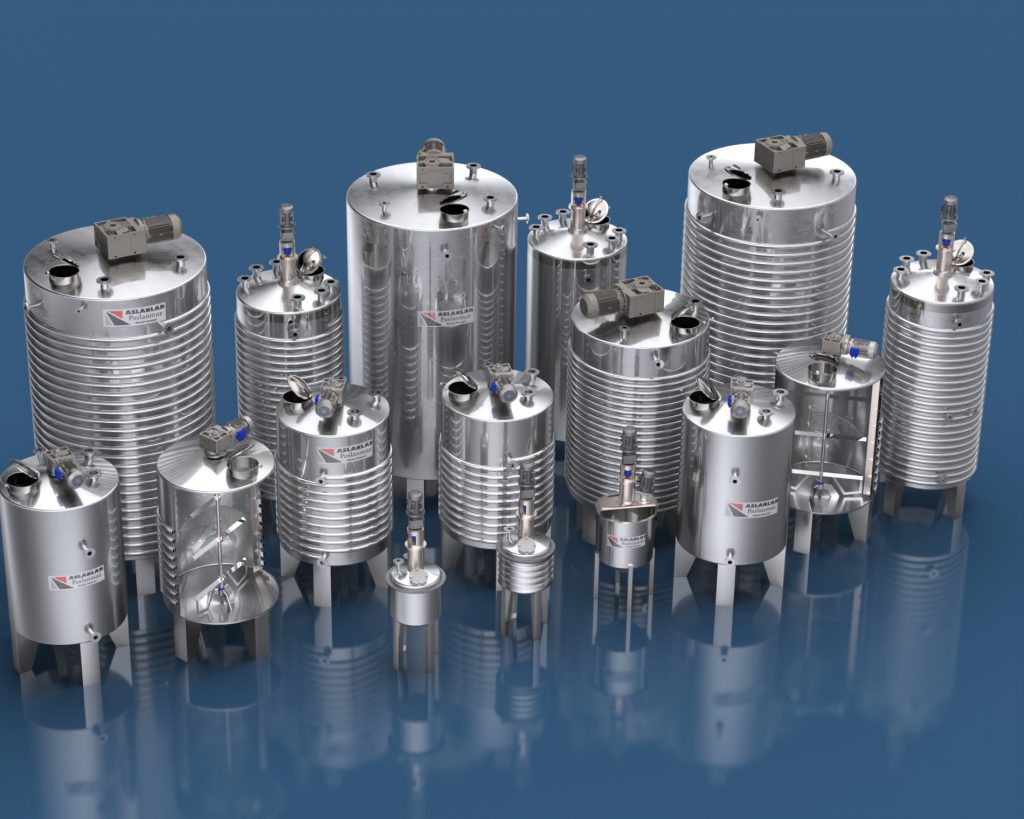
Frequently Asked Questions About Stainless Steel Reactors
- Home
- Frequently Asked Questions About Stainless Steel Reactors
Stainless Steel Reactor
Chemical Industry: Chemical reactions, mixing, and storage.
Food and Beverage Industry: Fermentation, mixing, and storage.
Pharmaceutical Industry: Sterile production processes and storage.
Petrochemical: Crude oil processing and product storage.
Water Treatment: Chemical treatment processes.
Corrosion Resistance: Stainless steel exhibits high resistance to chemical substances.
Durability: It has high mechanical resistance and is long-lasting.
Hygiene: It is easy to clean and prevents the formation of bacteria.
Heat Resistance: It is resistant to high temperatures.
Aesthetics: Stainless steel has a shiny and clean appearance.
Regular Cleaning: The inner and outer surfaces of the reactor should be cleaned regularly.
Connection Checks: All connection points and seals should be checked regularly.
Calibration: Measurement and control devices should be calibrated periodically.
Rust Check: The reactor surface should be checked for any signs of rust.
Pressure Control: The pressure inside the reactor must be constantly monitored.
Temperature Control: The temperature inside the reactor must be monitored with temperature sensors.
Safety Valves: Safety valves that activate in case of overpressure must be present.
Emergency Protocols: Written and trained protocols must be available for possible emergencies.
These frequently asked questions and answers provide general information about the basic features and uses of stainless steel reactors. Please contact us for detailed information.