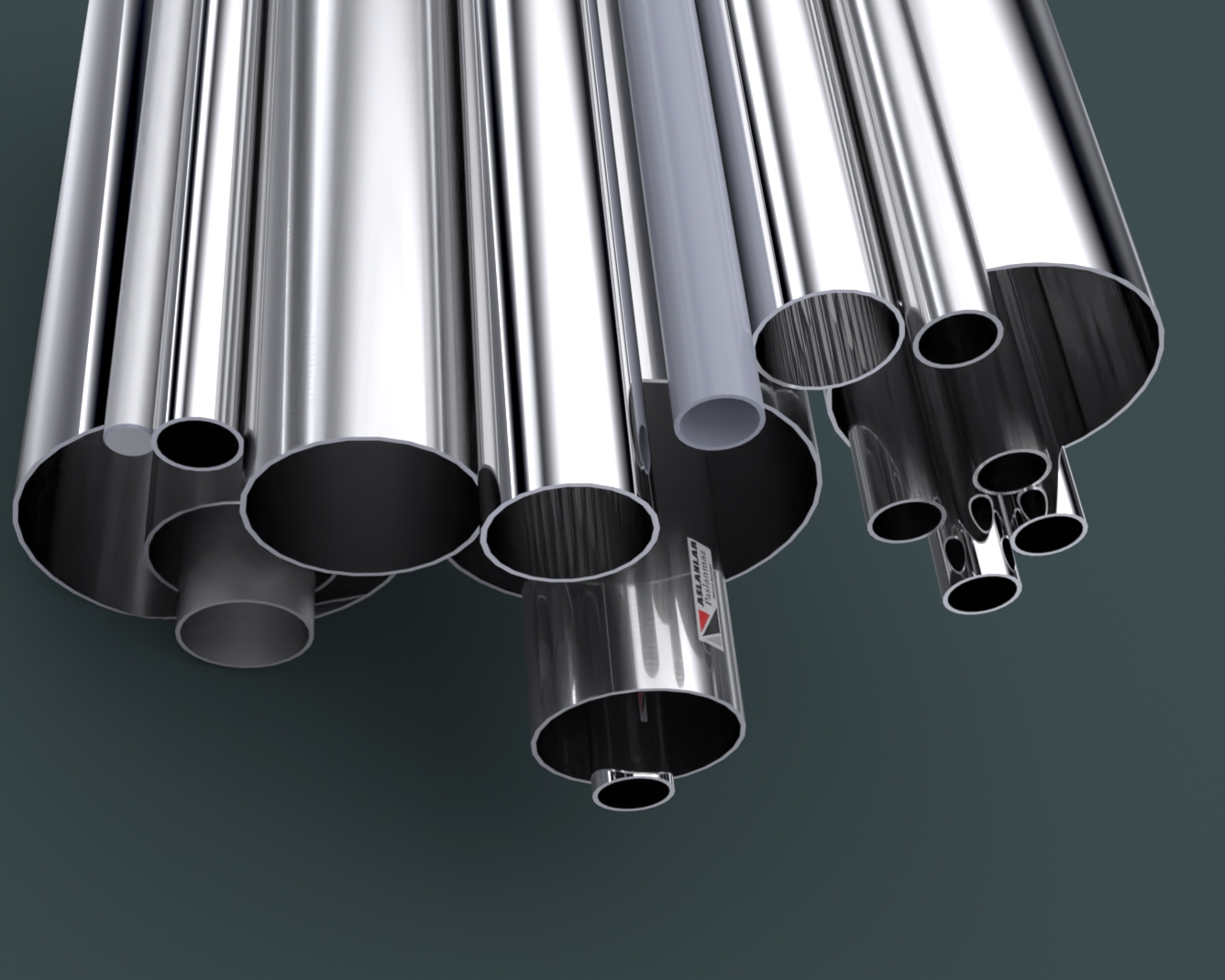
Stainless Steel Pipe | Durability and Applications
Stainless Steel Pipe | Durability and Applications
- What is Stainless Steel Pipe?
Stainless steel pipe is a type of steel pipe that contains iron, chromium, nickel, and other alloys, and is resistant to rust. It is mostly preferred due to its corrosion resistance, long-lasting structure, and aesthetic appearance.
- Stainless Steel Types and Grades
Stainless steel pipes are produced in different types according to the components they contain:
- 304 Stainless Steel: It is the most commonly used type. It is used in the chemical, food, and decoration industries.
- 316 Stainless Steel: It has high corrosion resistance and is used especially in the marine, chemical, and medical industries.
- 321 Stainless Steel: It is resistant to high temperatures and is especially preferred in heating systems.
- Stainless Steel Pipe Production Processes
Stainless steel pipes are produced by two main production methods:
- Seamless Stainless Steel Pipes: Produced by continuous casting method, resistant to pressure.
- Welded Stainless Steel Pipes: Produced by welding steel sheets, more affordable in terms of cost.
- Chemical and Mechanical Properties of Stainless Steel Pipes
- Corrosion Resistance: Stainless because it contains a high amount of chromium and nickel.
- Mechanical Strength: Resistant to high temperatures and pressure.
- Lightness and Durability: Lighter and longer-lasting than carbon steel.
- Usage Areas of Stainless Steel Pipes
- Construction Industry: Bridges, buildings, railings
- Food Industry: Food processing machines, drinking water lines
- Automotive Industry: Exhaust systems, chassis structures
- Chemical Industry: Pipes resistant to acids and chemicals
- Health and Medical Field: Surgical equipment, sterile lines
- Energy and Oil-Gas Sector: High pressure and heat resistant pipes
- Advantages of Stainless Steel Pipes
✔ Stainless and Corrosion Resistance
✔ High Strength and Durability
✔ Aesthetic and Modern Appearance
✔ Low Maintenance Cost
✔ Hygienic and Suitable for the Food Industry
- Stainless Steel Pipe Types
- Round Stainless Steel Pipes
- Rectangular Stainless Steel Pipes
- Square Stainless Steel Pipes
- Spiral Stainless Steel Pipes
- Stainless Steel Pipe Standards and Quality Certificates
- ASTM A312 / A213 / A269
- EN 10217 / 10296
- DIN 17456 / 17458
- Factors Affecting Stainless Steel Pipe Prices
- Raw Material Prices
- Production Method (Seamless or Welded)
- Pipe Diameter and Wall Thickness
- Market Demand and Exchange Rates
Frequently Asked Questions (FAQ)
- Is stainless steel pipe really stainless?
Yes, thanks to its high chromium content, an oxide layer forms on the surface that prevents rusting. However, excessive chemical contact or improper maintenance can accelerate rusting.
- Where is stainless steel pipe used?
It has a wide range of uses in the construction, food, automotive, chemical, energy, and medical industries.
- How should stainless steel pipe be cleaned?
Regular maintenance should be done with non-detergent stainless steel cleaners. Abrasive sponges should be avoided to prevent scratching.
- Is welded or seamless stainless steel pipe better?
Seamless pipes are more resistant to pressure and high temperatures, but welded pipes are more economical.
- What is the average lifespan of stainless steel pipes?
It can vary between 20-50 years depending on the place of use and maintenance.
- How is the price of stainless steel pipes determined?
Prices vary according to the type of steel used, production method, pipe thickness, and exchange rates.
Stainless steel pipes are indispensable in many sectors with their durability and versatile use. To choose a quality stainless steel pipe, you should pay attention to the certificates and the reliability of the manufacturer.
To determine the most suitable stainless steel pipe solution for you, you can contact reliable manufacturers for detailed information and a price quote.