

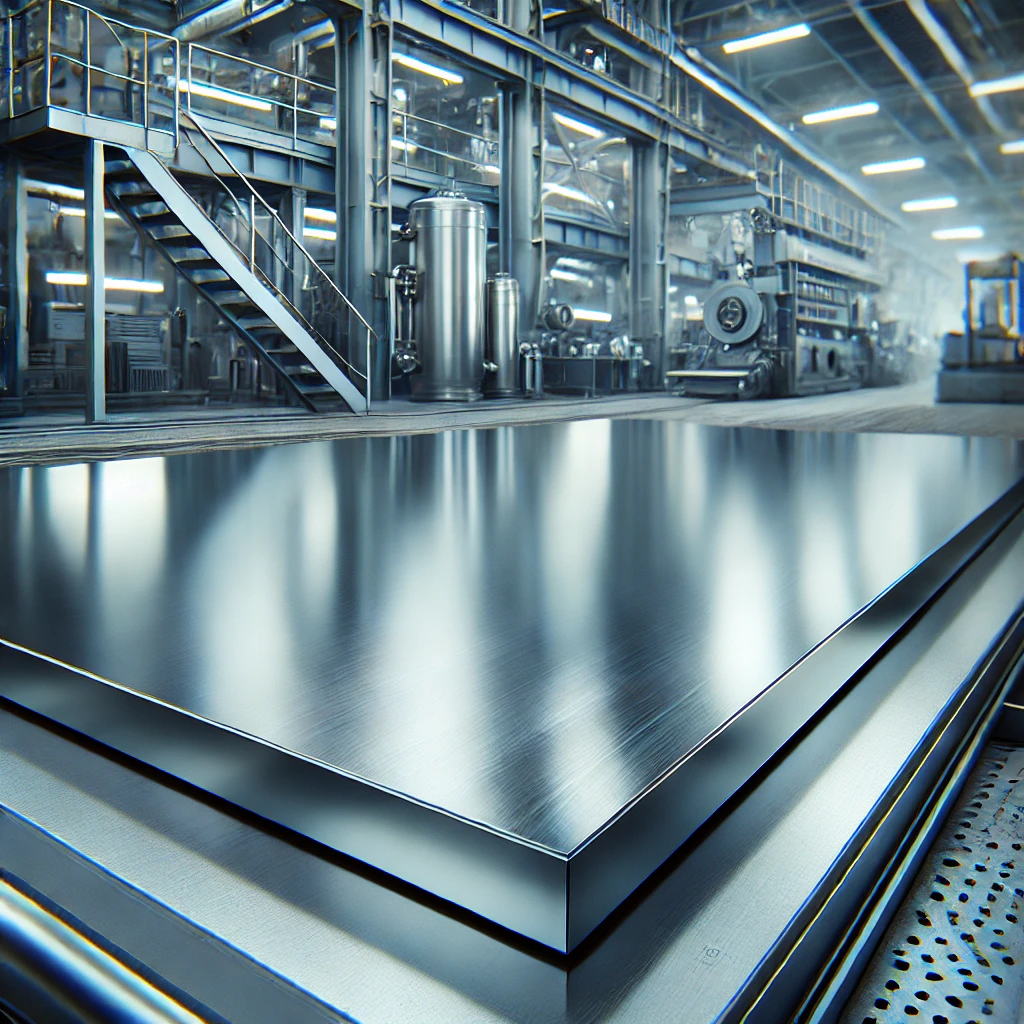
What is Stainless Steel Sheet? In Which Areas Is It Used?
Stainless steel sheet is an important material used in many industries, especially thanks to its durability and corrosion-resistant structure. This type of steel, alloyed with elements such as chromium and nickel, is resistant to rust, as the name suggests, and offers many aesthetic and functional advantages. So, what exactly is stainless steel sheet and in which areas is it used? In this article, we will provide comprehensive information, starting from the definition of stainless steel sheet to its usage areas and advantages.
Definition and Properties of Stainless Steel Sheet
Stainless steel sheet is a type of steel that contains at least 10.5% chromium. This chromium ratio forms a passive layer on the surface of the steel, thus making the material resistant to rust and oxidation. Stainless steel is also highly resistant to high temperatures and chemical effects. In addition, its aesthetic appearance, easy-to-clean structure and long life have made stainless steel a preferred material.
Basic Components of Stainless Steel
The main components of stainless steel sheet are chromium and nickel. Chromium gives the steel its shine and also increases its corrosion resistance. Nickel, on the other hand, increases the hardness and durability of the steel. In addition, other alloying elements such as molybdenum and manganese increase the material’s resistance to various environmental conditions. These features make it possible to use stainless steel sheet in many different sectors.
Stainless Steel Sheet Production Process
Stainless steel sheet production starts with the processing of iron obtained from ore. Iron is melted in blast furnaces to obtain crude steel. Then, chromium, nickel and other elements are added to the steel. After this alloying process, the steel is made into thin sheets and shaped to the desired thickness. In the final stage, the surface of the sheets is polished to obtain an aesthetic and protective coating.
Types of Stainless Steel Sheet
Stainless steel sheets are divided into different classes according to their alloy content and mechanical properties. These classes are preferred according to different usage areas and requirements. The most common types of stainless steel sheet are:
304 Stainless Steel Sheet
304 stainless steel is the most common type and is particularly known for its corrosion resistance. It can be used comfortably both indoors and outdoors. Thanks to its aesthetic appearance and durability, it has a wide range of uses, from kitchenware to building facades.
316 Stainless Steel Sheet
316 stainless steel has a higher corrosion resistance than the 304 type. Therefore, it is preferred in harsh conditions, especially in the maritime sector and the chemical industry. The molybdenum in its content increases the steel’s resistance to corrosive substances such as salt water.
430 Stainless Steel Sheet
430 stainless steel is an economical option and has magnetic properties. It is generally preferred for decorative purposes in interior applications. Thanks to its price advantage, it can be used by a wide audience.
Advantages of Stainless Steel Sheet
One of the main reasons for choosing stainless steel sheet is the various advantages it provides. These advantages are evaluated in terms of both aesthetics and functionality.
Durability and Corrosion Resistance
Stainless steel sheets are one of the most superior materials in terms of corrosion resistance and durability. It is long-lasting even in humid environments or in contact with corrosive chemicals. Therefore, it is frequently used in outdoor applications.
Aesthetic and Modern Appearance
Stainless steel has a bright and modern appearance. This feature highlights stainless steel, especially in interior architecture and decorative applications. At the same time, thanks to its polishable surface, it can be used in many different aesthetic styles.
Hygiene and Ease of Cleaning
The smooth surface of stainless steel sheets is ideal for hygienic environments due to its easy cleaning. This is one of the main reasons why it is frequently used in the food production and medical sectors. Offering anti-bacterial properties makes it a safe choice in areas where hygiene is critical.
Usage Areas of Stainless Steel Sheet
Stainless steel sheets are used in a wide variety of sectors. Different types of stainless steel are preferred to suit the specific requirements of each sector.
Construction and Building Sector
Stainless steel sheets are used on the interior and exterior facades of buildings, on bridges and in various construction projects. Its durability and aesthetic appearance make it an indispensable part of modern architecture.
Food and Beverage Sector
Hygiene is very important in food production facilities, and therefore stainless steel sheets are often preferred. It is both easy to clean and does not pose a risk in terms of food safety. Therefore, it is widely used in kitchen equipment and processing machines.
Usage Areas of Stainless Steel Sheet (Continued)
Automotive and Transportation Sector
Stainless steel sheets find many applications in the automotive and transportation sector. It is widely used in vehicle bodies, engine parts, exhaust systems and transportation vehicles. Its durability, corrosion-resistant structure and low maintenance cost are the main reasons for preferring stainless steel in these sectors. Stainless steel sheets are an indispensable material, especially in maritime transport and heavy vehicles exposed to harsh weather conditions.
Energy and Chemical Industry
Energy production and the chemical industry need materials that can withstand corrosive substances, high temperatures and harsh working conditions. Stainless steel sheets are an excellent choice to meet these requirements. Stainless steel is widely used in chemical processing equipment, pipes, storage tanks and other places with high temperature and corrosion risk. In addition, stainless steel materials are also preferred in nuclear power plants.
Medical and Healthcare Sector
Stainless steel sheets are ideal for medical environments where sterilization is critical. It is used in operating room equipment, medical devices, counters and hospital furniture due to its hygienic structure. The smooth surface of stainless steel prevents the adhesion of bacteria and other microorganisms. At the same time, it is safely preferred in hospitals as it is resistant to continuous sterilization and disinfection processes.
Environmental Effects of Stainless Steel Sheet
One of the most important reasons why stainless steel sheet is environmentally advantageous is that it is recyclable. Many environmentally conscious industries prefer stainless steel sheets because this material can be reprocessed and used, and its recycling rate is quite high. Stainless steel is 100 percent recyclable at the end of its service life, making it a sustainable material.
Sustainability and Recycling
Stainless steel sheets require low maintenance and are long-lasting throughout their service life. With these features, it reduces energy and resource consumption. Moreover, the amount of raw materials and energy used in stainless steel production may be lower compared to other materials. Thanks to its recyclability, it contributes to the protection of natural resources and the reduction of waste.
Things to Consider When Purchasing Stainless Steel Sheet
When purchasing stainless steel sheet, many factors such as quality, suitability for the application area and certifications should be taken into consideration. Different types of stainless steels cater to different uses, so it is important to choose the one that best suits your needs.
Quality Standards and Certifications
When purchasing stainless steel sheet, it is necessary to ensure that the product meets certain quality standards. These standards guarantee the quality, durability and performance of the sheet. International standards such as ISO 9001 and EN 10088 determine the production quality of stainless steel sheets. In addition, the product being certified is important, especially in industrial applications.
Making a Selection According to the Application Area
The area of use of the stainless steel sheet determines which type of sheet should be selected. For example, 316 stainless steel with higher corrosion resistance is preferred in the maritime or chemical industry, while 430 stainless steel can be used in decorative or interior applications. Making a selection according to the material properties required by the application ensures long-lasting and efficient use.
Stainless Steel Sheet and Its Importance
Stainless steel sheet is an indispensable material in many industries with its durability, corrosion resistance, aesthetic appearance and environmentally friendly structure. Stainless steel sheets, which have a wide range of uses in the construction, automotive, medical, energy and food sectors, offer long-lasting and reliable solutions in both indoor and outdoor applications. The recyclability of stainless steel makes it preferred in environmentally sensitive projects. As a result, stainless steel sheets play an important role both aesthetically and functionally in the modern world.