

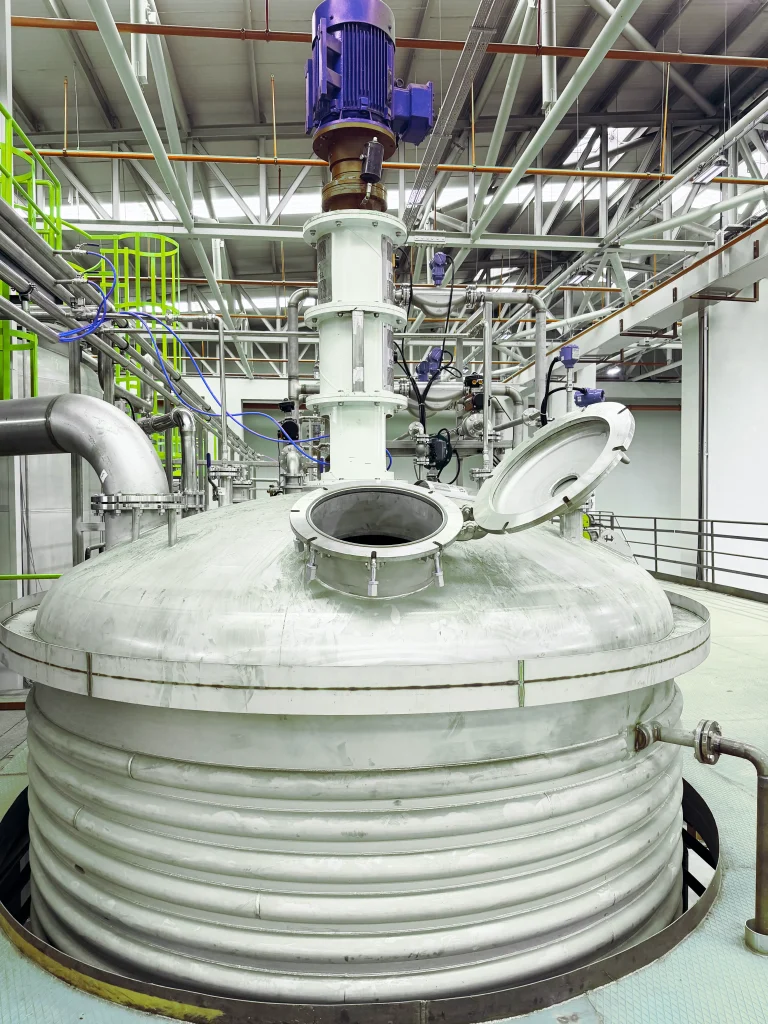
Stainless Steel Coil Boiler: Efficiency and Durability in Industrial Heating Solutions
Meeting the hot water needs in modern industrial facilities is critically important for the continuous and hygienic continuation of production processes. At this point, stainless steel coil boilers stand out with the superior advantages they offer compared to traditional heating systems. Preferred in a wide range of sectors from sensitive ones like food, chemical, and pharmaceutical to textile and energy, these boilers promise both energy efficiency and long-lasting use. So, what is a stainless steel coil boiler and why might it be the right investment for your business? Answer Summary: Stainless steel coil boilers are energy-efficient industrial heating systems that meet hot water needs with their hygienic and corrosion-resistant structure.
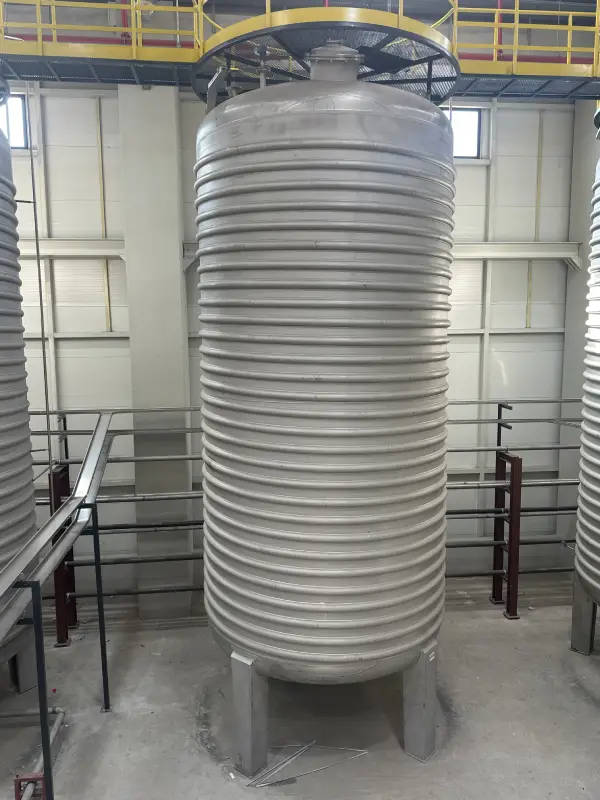
Stainless Steel Coil Boiler
What is a Stainless Steel Coil Boiler? Basic Definition and Importance
A stainless steel coil boiler is a heat exchanger system that typically transfers energy from a primary heat source (steam, hot water, etc.) to stored water via internal coils, thereby producing hot water. It fundamentally consists of an outer tank and pipe lines (coils) located within this tank, through which the heating fluid circulates. This system is ideal for industrial applications that require sudden and large quantities of hot water. The most distinctive feature of these boilers is the use of stainless steel in their manufacturing. Thanks to its high resistance to corrosion, hygienic structure, and durability, stainless steel is an indispensable material, especially in the food, pharmaceutical, and chemical sectors. This ensures that the quality of the water stored in the boiler is maintained, and the risk of rusting or contamination is minimized. This is of great importance for both product safety and the lifespan of the system.
Why Should You Choose a Stainless Steel Coil Boiler? Advantages
There are many valid reasons to choose a stainless steel coil boiler. These boilers offer significant operational and economic advantages to businesses:
Superior Corrosion Resistance and Hygiene
The natural structure of stainless steel provides superior resistance to rust, scaling, and other chemical reactions on the inner and outer surfaces of the boiler. This feature is vital for maintaining hygiene standards, especially in the food and pharmaceutical sectors where water quality is critical. The best stainless steel coil boiler models offer this resistance at the highest level.
High Energy Efficiency
The coiled structure maximizes heating efficiency by increasing the heat transfer surface. This allows for faster and continuous hot water production with less energy consumption. Well-insulated stainless steel coil boilers minimize heat losses, leading to significant savings in operating costs. Stainless steel coil boiler efficiency is one of the key factors that increase return on investment in the long run.
Long-Lasting and Low Maintenance Cost
The durability of stainless steel ensures that boilers have a much longer lifespan. Its resistance to corrosion and wear reduces the need for maintenance and repairs. This means an advantage for businesses in terms of both time and cost. With regular and proper maintenance, a stainless steel coil boiler can provide trouble-free service for decades.
Wide Range of Applications
The application areas of stainless steel coil boilers are quite extensive. They can be safely used in many different sectors, from food processing plants to chemical factories, hospitals to hotels, textile dye houses to central heating systems. This versatility makes them indispensable in industrial hot water solutions.
What to Consider When Buying? Critical Selection Criteria
When deciding to buy a stainless steel coil boiler, it is necessary to consider some critical factors to make the right choice. A wrong choice can lead to both performance degradation and unnecessary costs.
Capacity and Size
Accurately determining your business’s instantaneous and daily hot water needs is the first step in selecting a boiler of appropriate capacity. A boiler that is too small will be insufficient, while one that is too large can lead to energy waste. Stainless steel coil boiler models are offered in various capacities.
Material Quality and Certifications
The quality of the stainless steel used (e.g., 304 or 316 grade) and its compliance with international standards (CE, ISO, etc.) are important for the product’s durability and reliability. For the food and pharmaceutical sectors in particular, hygiene certified products should be preferred.
Energy Efficiency and Insulation
The energy class of the boiler and the quality of the insulation material directly affect long-term operating costs. A highly efficient and well-insulated boiler minimizes energy consumption.
Brand and Service Support
Purchasing a stainless steel coil boiler from a reliable brand is important for both product quality and after-sales support. An extensive service network and spare parts availability ensure quick solutions in case of possible malfunctions. Established companies like Asinoks Metal offer assurance in this regard.
Capacity, Material, and Energy Efficiency: How to Make the Right Choice?
The correct stainless steel coil boiler selection begins with a detailed needs analysis. Firstly, your business’s current and future hot water consumption profile should be determined. This helps you determine the boiler’s capacity in liters and heating power (kW or kcal/h). For example, the needs of a large food production facility will differ from those of a small hotel. Regarding material selection, while AISI 304 stainless steel may be sufficient for standard applications, AISI 316 stainless steel should be preferred in cases where more aggressive chemicals or high-chloride waters are used. This increases the boiler’s resistance to corrosion and extends its lifespan. Energy efficiency affects not only the initial purchase cost but also the operating expenses that will arise throughout the boiler’s entire service life. Thick insulation made with high-quality materials such as polyurethane or rock wool minimizes heat losses, leading to energy savings. Furthermore, modern control systems and automation features can also increase efficiency.
Installation, Maintenance, and Tips for Long-Lasting Use
Proper installation and regular maintenance are essential for a stainless steel coil boiler to operate efficiently and have a long lifespan. Installation must be carried out by authorized and experienced technicians. Incorrect connections or inadequate insulation can lead to performance degradation and safety risks. Maintenance routines should include:
- Periodic Cleaning: Scale or sediment buildup that may occur in the coils and inside the tank should be cleaned regularly. This maintains heat transfer efficiency.
- Anode Rod Check: Anode rods, present in some models, should be regularly checked and replaced if necessary to prevent corrosion.
- Leakage Checks: Connection points and valves should be periodically inspected for leaks.
- Water Quality Monitoring: The hardness and chemical composition of the water used directly affect the boiler’s lifespan. Water treatment systems should be used if necessary.
By following these tips, stainless steel coil boiler reviews will generally be positive, as users will experience a long-lasting and trouble-free operation.
Stainless Steel Coil Boiler Prices and Return on Investment
Stainless steel coil boiler prices vary according to capacity, the quality of stainless steel used (304, 316), additional features (automation, insulation quality), and brand. The initial investment cost may be slightly higher than traditional boilers. However, this is balanced by the long-term advantages it provides. Low operating costs due to high energy efficiency, and low maintenance and repair expenses thanks to their long-lasting structure, are key factors that increase the return on investment for stainless steel coil boilers. Especially when comparing stainless steel coil indirect water heater prices and boiler prices, the total cost of ownership (TCO) should be considered. A product that initially seems more affordable may incur higher energy and maintenance costs in the long run. Therefore, when making a stainless steel coil boiler comparison, it is important to focus not only on the price tag but also on the product’s overall performance and quality. As Asinoks Metal, we offer high-quality and energy-efficient stainless steel coil boiler solutions tailored to your industrial needs. By contacting our expert team, you can get information about the most suitable model for your business’s requirements and current stainless steel coil boiler prices. Stainless steel coil boilers are a modern and intelligent solution that offers many advantages such as hygiene, durability, energy efficiency, and longevity to meet industrial hot water needs. With the right choice and regular maintenance, they will make significant contributions to your business’s efficiency and sustainability.
Frequently Asked Questions (FAQ)
What is a stainless steel coil boiler and what does it do?
A stainless steel coil boiler is a heat exchanger system that transfers energy from a primary heat source (steam, hot water, etc.) to stored water via internal stainless steel coils, thereby producing hot water. It is used in industrial facilities, hotels, hospitals, and the food sector to meet hygienic and continuous hot water needs.
What features should I consider when choosing a stainless steel coil boiler?
When choosing a boiler, you should pay attention to factors such as capacity suitable for your business’s hot water needs, the quality of the stainless steel used (AISI 304 or 316), energy efficiency class, insulation quality, brand reliability, and after-sales service support. Additionally, having relevant certifications is also important.
What is the lifespan of stainless steel coil boilers and how are they maintained?
Thanks to the corrosion resistance of stainless steel, with proper installation and regular maintenance, a stainless steel coil boiler can provide service for 15-20 years or even longer. Maintenance should include periodic cleaning (descaling and sediment removal), anode rod inspection (if present), leakage checks, and water quality monitoring. Annual inspections performed by an authorized service extend the boiler’s lifespan.