

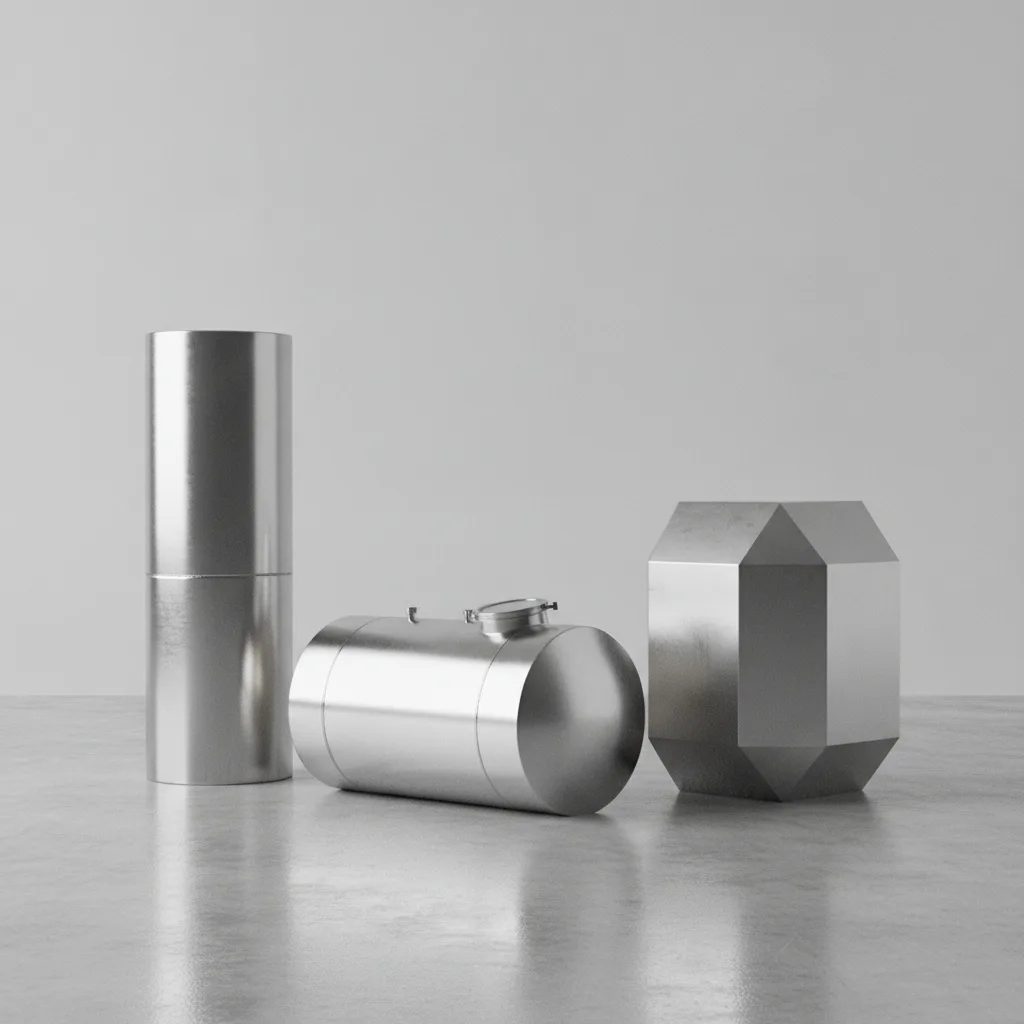
Industrial Stainless Steel Tank Types: Discover Vertical, Horizontal, and Prismatic Tanks
In industrial processes, the safe, hygienic, and efficient storage of liquid and semi-liquid substances is of critical importance. At this point, stainless steel tanks have become indispensable for many sectors due to their superior properties. However, there are various types of stainless steel tanks on the market for different needs. In this article, we will thoroughly examine the vertical stainless steel tank, horizontal stainless steel tank, and prismatic stainless steel tank types offered by Asinoks Metal, discussing their advantages, areas of use, and what to consider when choosing the right tank.,
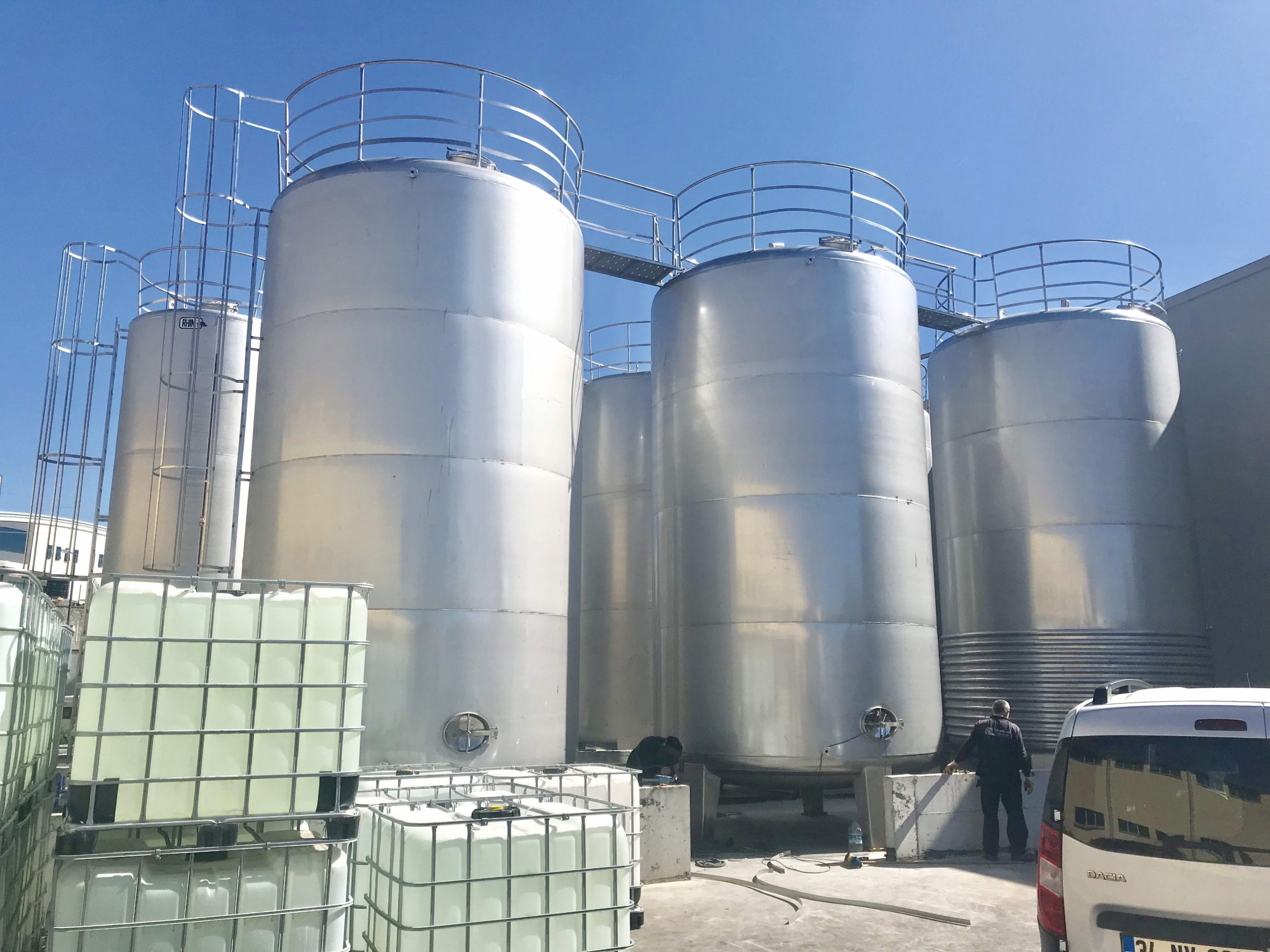
stainless steel storage tank manufacturing
Answer Summary: Industrial stainless steel tanks are of three main types: vertical, horizontal, and prismatic. Vertical tanks save space, while horizontal tanks are ideal for low-ceiling areas and portability. Prismatic tanks, on the other hand, offer flexibility with their modular structure.
Vertical Stainless Steel Tanks: Advantages and Areas of Use
Vertical stainless steel tanks, as the name suggests, are cylindrical tanks that rise along a vertical axis. They are generally preferred for high-capacity storage needs and offer a significant advantage in facilities with limited floor space.
Key Features of Vertical Tanks
- Space Efficiency: Thanks to their vertical structure, they occupy less floor space compared to horizontal tanks. This is a significant advantage, especially in urban or high-production facilities.
- Pressure Resistance: Their cylindrical form offers higher resistance to internal pressure. This makes them suitable for pressurized storage or mixing applications.
- Easy Cleaning and Maintenance: Typically with a conical or dished bottom structure, they facilitate complete drainage and cleaning of the liquid inside.
- Wide Capacity Range: They can be produced in a wide range, from small volumes to very large industrial capacities.
When Should Vertical Tanks Be Preferred?
Vertical stainless steel tanks are widely used, especially as stainless steel water tanks in water treatment plants, as reactors or mixing tanks in the chemical and pharmaceutical sectors, and for storing products like milk and fruit juice in the food sector. They are ideal for businesses looking to achieve maximum storage capacity in high-ceiling areas. Vertical stainless steel tank prices vary depending on capacity, material quality, and additional features.
Horizontal Stainless Steel Tanks: Why Should They Be Preferred?
Horizontal stainless steel tanks are cylindrical tanks positioned parallel to the ground. They may be more suitable than vertical tanks for certain operational and spatial requirements.
Advantages of Horizontal Tanks
- Ideal for Low-Ceiling Areas: In areas where height is restricted, horizontal tanks offer the most suitable solution.
- Portability and Stability: Thanks to their wide base areas, they have a more stable structure and are easier to transport, especially for mobile applications or situations requiring frequent relocation.
- Easy Access: Due to their low profile, access to and maintenance of equipment on the tank (valves, manholes, etc.) can be easier.
Areas of Use and Important Considerations
Horizontal stainless steel tanks are preferred in fuel stations, for liquid fertilizer storage in the agricultural sector, small and medium-scale water storage solutions, and some chemical storage applications. They are also frequently used in underground storage solutions. If you are considering buying a horizontal stainless steel tank, you should take into account factors such as capacity, installation area, and the properties of the liquid to be stored.
Prismatic Stainless Steel Tanks: Modular Solutions and Flexibility
Prismatic stainless steel tanks are tanks with a square or rectangular cross-section and an angular structure. Thanks to their modular design, they offer unique advantages.
Structural Features of Prismatic Tanks
- Space Optimization: Thanks to their angular structure, they utilize existing space with maximum efficiency by leaving less dead space compared to vertical or horizontal cylindrical tanks. This advantage becomes more pronounced especially when placed against walls or in corners.
- Modular Design: They are generally produced as panels and can be assembled on-site. This provides ease of transport and installation.
- Customizability: They can be easily designed in different sizes and shapes, making them adaptable to specific spaces or particular capacity needs.
Flexibility and Space Optimization
The features of prismatic stainless steel tanks make them attractive, especially for facilities with limited and irregular spaces. They are preferred by businesses that want to utilize every centimeter of space in food processing plants, water treatment units, and some chemical storage applications. Thanks to their modular structure, they can also offer flexibility for future capacity expansions.
Comparison of Stainless Steel Tank Types: Vertical, Horizontal, and Prismatic Differences
Choosing the right tank type is critically important for your business’s efficiency and costs. Here is a comparison summarizing the differences between vertical, horizontal, and prismatic tanks:
- Space Utilization: Vertical tanks make the best use of floor space, while prismatic tanks optimize overall volume. Horizontal tanks are ideal for low-ceiling areas.
- Installation and Transport: Prismatic tanks offer ease of installation and transport due to their modular structure, whereas vertical and horizontal tanks are generally transported and installed as a single piece.
- Pressure Resistance: Vertical cylindrical tanks offer the highest resistance to internal pressure.
- Cost: In the comparison of stainless steel tank types, cost varies according to capacity, material, and manufacturing difficulty. Generally, standard vertical or horizontal tanks may be more affordable than custom-designed prismatic tanks.
Key Factors to Consider When Choosing a Tank
When creating a stainless steel tank selection guide, the main factors you should consider are:
- Storage Capacity: The required volume is the first step in determining the tank type. Stainless steel tank capacity selection should meet your current and future needs.
- Available Space: The ceiling height, floor area, and overall layout of your facility will be decisive in choosing a vertical, horizontal, or prismatic tank.
- Properties of the Liquid to be Stored: The density, viscosity, corrosiveness, and temperature of the liquid affect the tank material and design.
- Budget: Tank cost, installation, and maintenance expenses will affect your total budget.
- Sectoral Requirements: For sectors such as food and pharmaceuticals, hygiene standards and certifications are of great importance.
Which Sector Should Choose Which Tank? Application Examples
The answer to the question which industrial stainless steel tank is ideal largely depends on the sector and application area:
- Food and Beverage Sector: Vertical stainless steel tanks are generally preferred for hygienic storage and mixing. Especially for products like milk, fruit juice, and wine, the answer to the question should a stainless steel water tank be vertical or horizontal is usually vertical.
- Chemical Sector: Both vertical and horizontal tanks can be used. Special alloy stainless steels for corrosive chemicals and vertical tanks for pressurized applications stand out.
- Pharmaceutical Sector: Due to high hygiene standards, vertical, mirror-polished, and CIP/SIP compliant stainless steel reactors and storage tanks are generally preferred.
- Water Treatment and Wastewater: Vertical or prismatic stainless steel water tank solutions are common for large-volume water storage.
Guide to Finding the Most Ideal Stainless Steel Tank for You
As Asinoks Metal, we offer customized solutions for your industrial stainless steel tank needs. Our expert team analyzes your facility’s requirements and provides you with the most suitable stainless steel tank solutions. Whether you want to get information about vertical stainless steel tank prices, seek consultancy during the horizontal stainless steel tank purchasing process, or need detailed information about prismatic stainless steel tank features, Asinoks Metal is with you every step of the way. Choosing the right tank directly affects your business’s long-term efficiency and safety. Therefore, it is important to carefully evaluate all factors and seek professional support before making a decision. By contacting Asinoks Metal, you can get a special stainless steel tank price quote for your project and together we can determine the most suitable solution for your needs.
Frequently Asked Questions (FAQ)
What are the main differences between vertical, horizontal, and prismatic stainless steel tanks?
Vertical tanks save space while offering high capacity and are suitable for pressurized applications. Horizontal tanks are ideal for low-ceiling areas and portability. Prismatic tanks, on the other hand, offer space optimization and modularity thanks to their angular structure, and can be easily adapted to special areas.
Which sectors should prefer which type of stainless steel tank?
Sectors requiring high hygiene and pressure, such as food, pharmaceuticals, and chemicals, generally prefer vertical stainless steel tanks. Horizontal tanks are suitable for low-ceiling areas or mobile applications. Facilities that need efficient space utilization or have specially shaped areas should consider prismatic tanks.
What should be considered when choosing a stainless steel tank?
When choosing a tank, key factors such as storage capacity, available space in your facility (ceiling height, floor area), properties of the liquid to be stored (density, corrosiveness), budget, and hygiene or safety standards specific to your sector should be considered.