

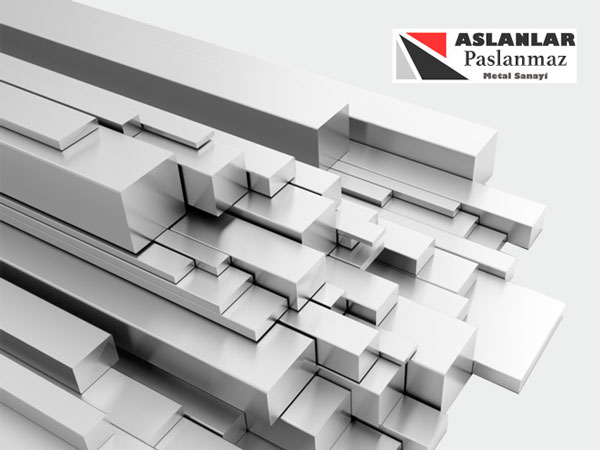
Stainless steel flat bar is a type of steel with high corrosion resistance. This special steel is extremely resistant to rust, abrasion, and environmental effects. Stainless steel flat bar is widely used in construction, automotive, food, chemical, and many other industries. Thanks to its aesthetic appearance and long-lasting structure, it is preferred for both functional and decorative purposes.
General Features of Stainless Steel Flat Bar
Stainless steel flat bars are produced from high-quality steel alloys and bring various advantages.
Durability
The most remarkable feature of stainless steel flat bars is their durability. Thanks to its high-strength structure, it maintains its form even under heavy loads. This feature makes it safe to use in large structures.
Corrosion Resistance
The chromium element in stainless steel makes the material resistant to corrosion. It can be used for a long time without rusting, even in humid and harsh weather conditions.
Stainless Steel Flat Bar Production Process
The production of stainless steel flat bars is a detailed and technical process. This process directly affects the quality and durability of the product.
Raw Material Selection
The main raw materials used in the production of stainless steel flat bar are iron, chromium, nickel, and molybdenum. The chromium ratio determines the stainless steel’s resistance to rust.
Production Stages
The production of stainless steel flat bar goes through several main stages. First, the raw material is melted, then shaped as desired and cooled. Finally, the appearance of the material is improved with surface treatments.
Usage Areas of Stainless Steel Flat Bar
Stainless steel flat bars have a wide range of uses. It is preferred in different sectors for both industrial and decorative purposes.
Use in the Construction Sector
Stainless steel flat bars are used in the construction sector in structural elements of buildings, railings, and stairs. Thanks to its durability and aesthetic appearance, it is frequently preferred in modern buildings.
Industrial Applications
In industrial facilities, stainless steel flat bars are frequently used due to their chemical resistance and long life. It stands out as one of the materials suitable for hygiene standards, especially in the food and pharmaceutical industries.
Decorative Use
Stainless steel flat bars are also used for decorative purposes thanks to their shiny surface. Stainless steel flat bar is preferred in modern interior designs, furniture, and exterior cladding.
Types of Stainless Steel Flat Bar
Stainless steel flat bars are classified in different qualities and properties. Each has its own advantages and uses.
304 Stainless Steel Flat Bar
It is one of the most widely used stainless steel types. It has high corrosion resistance and is preferred in most industrial applications.
316 Stainless Steel Flat Bar
This type of stainless steel flat bar is used especially in the marine industry because it is resistant to salt water. It is also extremely resistant to chemicals.
430 Stainless Steel Flat Bar
The 430 series is a less costly type of stainless steel. It is generally used for decorative purposes and is suitable for interior applications.
Stainless Steel Flat Bar and Environmentally Friendly Features
Stainless steel flat bars are an environmentally friendly product because they are made from recyclable materials. The materials used in the production process can be recycled and reused repeatedly, which minimizes its impact on nature.
Advantages of Stainless Steel Flat Bar
Stainless steel flat bars have many advantages and are therefore a preferred material.
Long-Lasting
Stainless steels maintain their form and durability for many years. Thanks to this feature, it is a long-lasting investment.
Low Maintenance Costs
Stainless steel flat bars require very little maintenance due to their corrosion resistance. Cleaning and maintenance costs can be kept to a minimum.
Aesthetic Appearance
The bright and clean appearance of stainless steel adds elegance in modern architecture and decorative applications.
Disadvantages of Stainless Steel Flat Bar
Like every material, stainless steel flat bars also have some disadvantages. For example, production costs are higher compared to other steel types. Also, when exposed to certain chemicals, there may be a risk of deformation, especially at high temperatures.
How are Stainless Steel Flat Bar Prices Determined?
The prices of stainless steel flat bars vary depending on the quality of the material used, the production process, and the dimensions. For example, 316 series stainless steel flat bars are more expensive than 304 series because they are resistant to harsh conditions such as sea water.
Stainless Steel Flat Bar Maintenance and Cleaning
Cleaning stainless steel flat bars is quite simple. It can be cleaned with mild soapy water and will maintain its shine for many years with regular maintenance. However, abrasive cleaners should be avoided.
The Future of Stainless Steel Flat Bar: Trends and Innovations
With technological developments, continuous innovations are being made in the stainless steel industry. In particular, environmentally friendly production techniques and the use of recyclable products will become more important in the future.
What Should Be Considered When Buying Stainless Steel Flat Bar?
When purchasing stainless steel flat bar, it is important to choose the quality suitable for your intended use. At the same time, attention should be paid to the product being certified and the reliability of the manufacturer.
Stainless steel flat bar stands out as an indispensable material in many sectors with both its aesthetics and durability. Thanks to its wide range of uses, environmentally friendly structure, and long life, it is preferred in both individual and commercial projects.