

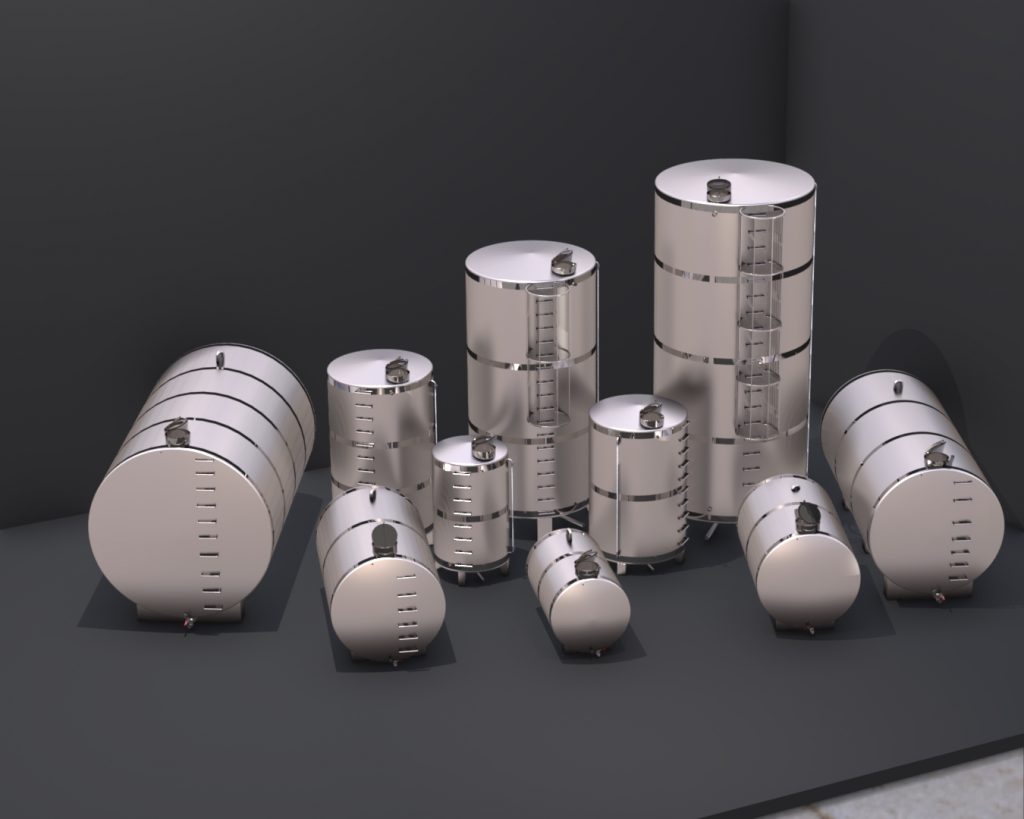
- Stainless Products
Stainless products are materials containing a minimum of 10.5% chromium in their steel alloys, which gives them resistance to oxidation. The passive oxide layer that forms on the steel surface prevents corrosion from external factors. This feature ensures that stainless products are long-lasting and durable.
Key Features of Stainless Products
- Corrosion Resistance: In materials with a high chromium content, the risk of oxidation in the external environment is minimized.
- Strength: Due to its physical durability, it can be used in various industrial applications.
- Aesthetics: Its shiny and clean surface is also preferred in decorative applications.
Classification of Stainless Products
Stainless steels are divided into different classes according to their chemical composition and mechanical properties. The most common types include austenitic, ferritic, martensitic, and duplex steels.
- Advantages of Stainless Products
There are many significant advantages behind the increased use of stainless products. Here are these advantages:
Corrosion Resistance
The most prominent advantage of stainless steel is its high resistance to rust and oxidation. This feature allows the products to be used for a long time.
Durability and Longevity
Stainless products are highly resistant to mechanical wear and physical impacts. This feature makes their use widespread, especially in construction and industrial fields.
Aesthetic Appearance
Its shiny and smooth surface makes stainless steel a popular choice in architectural and decorative applications.
Hygienic Structure
Stainless steel is preferred in the health and food sectors due to its easy-to-clean surface.
Eco-Friendly and Recyclable
Stainless products are 90-95% recyclable. This contributes to environmentally friendly production processes.
- Types of Stainless Steel
Austenitic Steel
This type of steel is known for its high corrosion resistance and strength. It has a wide range of uses, from kitchen utensils to chemical storage tanks.
Ferritic Steel
These steels, with a lower chromium content, are generally used in decorative applications and the automotive industry.
Martensitic Steel
Known for its high hardness, this type of steel is preferred for knives and other cutting tools.
Duplex Steel
Duplex steels, which have both austenitic and ferritic properties, are used in harsh environments such as marine and petrochemical industries.
- Use of Stainless Steel in Industrial Fields
Stainless products are indispensable in many industrial sectors.
Food Processing and Storage
With its hygienic and durable structure, stainless steel is used in food processing machinery, storage tanks, and transportation equipment.
Chemical and Petrochemical Industry
Thanks to its resistance to chemical substances, stainless steel is preferred for chemical tanks, pipes, and reactors.
Pharmaceutical Production
With its structure suitable for sterilization, stainless products are used in pharmaceutical production lines and equipment.
Energy and Renewable Resources
The use of stainless steel is common in wind turbines, solar energy systems, and energy storage units.
Construction and Building Sector
In bridges, building facades, and infrastructure projects, the durability of stainless products is of great importance.
- Stainless Products in Home and Daily Use
Home Appliances
Stainless steel is frequently used in home appliances such as washing machines, refrigerators, and ovens.
Kitchen Equipment
Most kitchen utensils such as pots, pans, and cutlery are made of stainless steel.
Decoration Products
Its shiny and stylish surface, suitable for modern designs, is ideal for decorative items.
- Use of Stainless Steel in Medicine and Health
Surgical Instruments
Stainless steel is used in the production of surgical instruments due to its ease of sterilization and durability.
Hospital Equipment
Stainless products are preferred for hospital beds, medical cabinets, and other equipment.
Dental Materials
Many tools and instruments used in dentistry are made of stainless steel.
- Stainless Products in Transportation
Automotive Industry
Stainless steel is widely used in automobile exhaust systems, cladding materials, and engine components.
Maritime Sector
Its resistance to saltwater makes stainless steel indispensable in ships and marine equipment.
Aviation and Aerospace Industry
The combination of high strength and lightness makes stainless steel an important material in the construction of aircraft and spacecraft.
- Environmental Advantages of Stainless Products
Stainless steel is an environmentally friendly material. Its recyclability and long-lasting nature contribute to the conservation of natural resources.
- Design Flexibility of Stainless Steel Products
Stainless steel can be easily shaped and processed. This flexibility makes it a preferred material in architectural and artistic projects.
- Cost Analysis of Stainless Products
The initial cost of stainless steel products can be high compared to other materials. However, its long life and low maintenance costs compensate for this disadvantage.
Stainless products can last for decades with proper maintenance.
Yes, it is 90-95% recyclable and environmentally friendly.
No, it can be preserved quite easily with regular cleaning and proper maintenance.
It has a wide range of uses, primarily in the health, construction, automotive, and energy sectors.
Quality is verified by ISO standards and relevant certifications.